
Owusu on Africa
After Qatar’s Crucial Intervention in the Congo Crisis, What Comes Next?

By Fidel Amakye Owusu
Last Sunday, I received a call from Doha. An Al Jazeera journalist had requested an interview seeking my analysis on the influx of Congolese refugees into Burundi and the broader implications for Burundian interests in the ongoing conflict in the Democratic Republic of Congo (DR Congo).
At the same time, anticipation was building for scheduled peace talks on Tuesday, prompted by Angolan President João Lourenço’s call for a ceasefire between DR Congo and the M23 rebels. This was also a key point of interest for the journalist.
By Monday, however, the ceasefire appeal had gone unheeded. In a significant geopolitical twist, Rwanda announced it was severing ties with Belgium, accusing the former colonial power of ongoing manipulation.
Meanwhile, the M23 had dispatched a delegation to Angola in preparation for the talks. During my interview, I shared my insights on the potential outcomes of these negotiations.
A Sudden Turn of Events
By Monday evening, it became evident that the scheduled talks had collapsed before they even began. The M23 rebels withdrew, citing European Union sanctions against Rwandan and rebel officials as a key reason for their decision.
The situation looked increasingly dire.
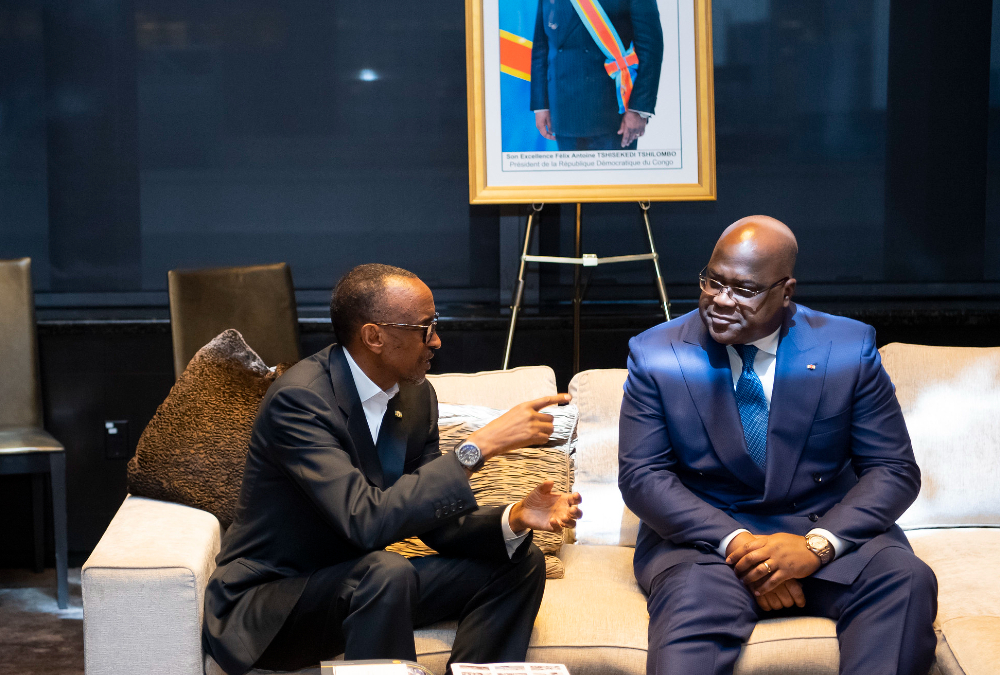
Then came an unexpected breakthrough: the Emir of Qatar succeeded in bringing together DR Congo’s President Félix Tshisekedi and Rwanda’s President Paul Kagame in Doha. This last-minute diplomatic effort resulted in an agreement to a ceasefire – an intervention that salvaged a crisis that was spiraling out of control.
Qatar’s Expanding Role in Africa
Qatar has long been an influential player in the Middle East and North Africa, but its presence in Sub-Saharan Africa has been relatively limited. This successful mediation signals a potential shift, positioning Qatar as a key diplomatic actor in African conflict resolution.
However, the real challenge lies ahead: ensuring the ceasefire is upheld.
What Comes Next?
A ceasefire agreement is merely the first step – it is its implementation that truly matters. The so-called “Doha Agreement” will require extensive on-the-ground efforts to ensure its success.
One major challenge is the fragmented nature of the rebellion. While M23 remains the dominant armed group, numerous semi-autonomous factions exist, each with varying objectives and degrees of radicalization.
Some groups may pursue different political agendas after this phase of the conflict, while others remain driven by historical grievances and rivalries. Even within M23, internal divisions persist, with some commanders having previously defied directives from Rwanda.
It is in this context that President Kagame recently acknowledged that certain factors remain beyond his control.
The Path Forward
For any real progress, DR Congo and Rwanda must continue diplomatic engagements and invest in long-term confidence-building measures. Trust is a crucial factor in ensuring the ceasefire holds on the ground.
At a time when global geopolitics remains volatile, Africa needs reliable partners to foster peace and stability. Qatar’s diplomatic gesture should not be underestimated – it may mark the beginning of a broader role for Doha in African conflict resolution.
The success of this intervention, however, will depend on sustained commitment from all stakeholders involved.
The world will be watching closely.
Fidel Amakye Owusu is an International Relations and Security Analyst. He is an Associate at the Conflict Research Consortium for Africa and has previously hosted an International Affairs program with the Ghana Broadcasting Corporation (GBC). He is passionate about Diplomacy and realizing Africa’s global potential and how the continent should be viewed as part of the global collective.
