
Owusu on Africa
Angola’s Fuel Subsidy Removal: A Painful but Necessary Step Toward Economic Reform

By Fidel Amakye Owusu
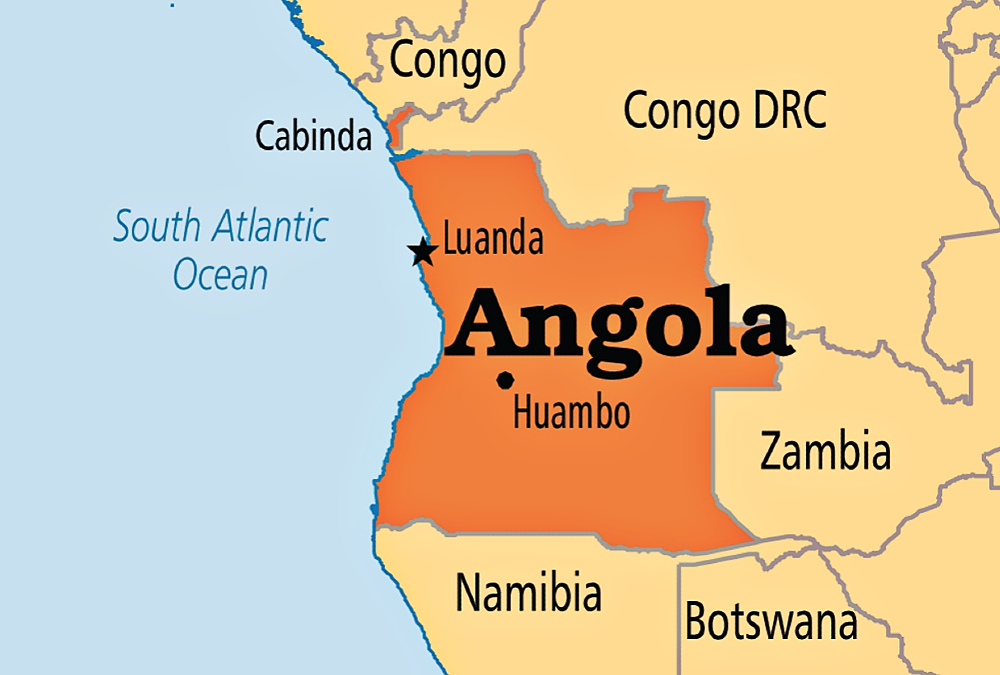
In recent weeks, Angola has joined a growing list of African nations confronting one of the most politically perilous yet economically imperative reforms of our time: the removal of fuel subsidies. The decision, announced by President João Lourenço’s administration, has sparked widespread public outcry – particularly among the country’s youth – with protests escalating into episodes of looting and property damage in several urban centers.
The scenes are hauntingly familiar to Nigerians, who witnessed near-identical unrest in early 2023 when President Bola Tinubu’s government eliminated decades-old fuel subsidies. At the time, the move was met with fierce resistance from labor unions, civil society, and ordinary citizens who decried the sharp spike in transportation and commodity prices.
Overnight, the cost of living surged, testing the resilience of households already strained by inflation and unemployment.
So why are African governments making such unpopular choices? And what does Angola’s experience tell us about the future of economic governance on the continent?
The Burden of Benevolence
Fuel subsidies have long been a cornerstone of social policy in oil-producing African nations. In Angola and Nigeria – two of sub-Saharan Africa’s largest crude exporters – governments have historically absorbed the cost of refined petroleum to keep pump prices artificially low.
For citizens, these subsidies were seen not just as an economic benefit, but as a moral entitlement: if our nations produce oil, why should we pay global market rates for fuel?
Yet beneath this logic lies a fiscal reality few can afford to ignore. Angola’s public debt stands at over 70 percent of GDP, and nearly 30 percent of its national budget was previously allocated to fuel subsidies – funds that could have been invested in healthcare, education, or infrastructure. Nigeria faced a similar dilemma, with subsidy costs ballooning to over US$10 billion annually before their removal.
These are not sustainable figures for economies grappling with debt distress, currency volatility, and underdeveloped non-oil sectors. As international financial institutions like the IMF have long argued, subsidy removal is not merely a recommendation – it’s a prerequisite for macroeconomic stability.
The Short-Term Pain, Long-Term Gain Dilemma
The problem, however, is not the policy itself, but its implementation and communication.
When subsidies are lifted without a clear roadmap for reinvestment or robust social safety nets, the result is predictable: public anger. In Angola, where youth unemployment exceeds 30 percent, the sudden increase in fuel prices threatens to erode already fragile livelihoods.
Transportation costs have soared, food prices are rising, and small businesses are bracing for a downturn.
The government’s promise to redirect subsidy savings into targeted social programs and infrastructure development is sound in theory. But as in Nigeria, credibility hinges on transparency and accountability.
Citizens are rightly skeptical: where will the money go? Who will benefit? And how will corruption be prevented?
For reform to succeed, it must be accompanied by visible, tangible improvements in public services and job creation. Otherwise, the narrative remains one of sacrifice without return – a burden borne by the poor to stabilize balance sheets that benefit the elite.
A Regional Trend with Continental Implications
Angola is not alone. Ghana, Senegal, and Zambia have also taken steps to reduce or eliminate fuel subsidies amid pressure from fiscal constraints and donor partners.
These decisions reflect a broader shift across Africa: a move away from populist economics toward more sustainable, market-responsive policies.
But this transition demands more than technical economic planning – it requires political courage, public trust, and inclusive dialogue. Governments must do more than announce reforms; they must explain them.
They must pair fiscal discipline with social protection, and austerity with opportunity.
The Path Forward
As Angola navigates this turbulent phase, the role of security forces must be measured and restrained. While maintaining public order is essential, heavy-handed responses risk deepening distrust and radicalizing dissent.
Equally critical is the need for civil society, media, and opposition leaders to channel public frustration into constructive engagement, not chaos.
Ultimately, the success of subsidy removal will not be measured by balance sheets alone, but by whether ordinary Angolans see a better quality of life in the years ahead. Transparent governance, targeted investments, and inclusive growth are not optional add-ons – they are the foundation of legitimate reform.
The road ahead is difficult, but not without precedent. Nigeria’s post-subsidy economy, while still facing challenges, has seen improved fiscal discipline, reduced debt servicing costs, and renewed investor confidence.
If Angola follows through with integrity and vision, it too may emerge stronger.
But the window for building public trust is narrow. The time for action – and accountability – is now.
Fidel Amakye Owusu is an International Relations and Security Analyst. He is an Associate at the Conflict Research Consortium for Africa and has previously hosted an International Affairs program with the Ghana Broadcasting Corporation (GBC). He is passionate about Diplomacy and realizing Africa’s global potential and how the continent should be viewed as part of the global collective.
