
Owusu on Africa
DR Congo Conflict Intensifies as Militia Led by Former ICC Convict Clashes with Government Forces

By Fidel Amakye Owusu
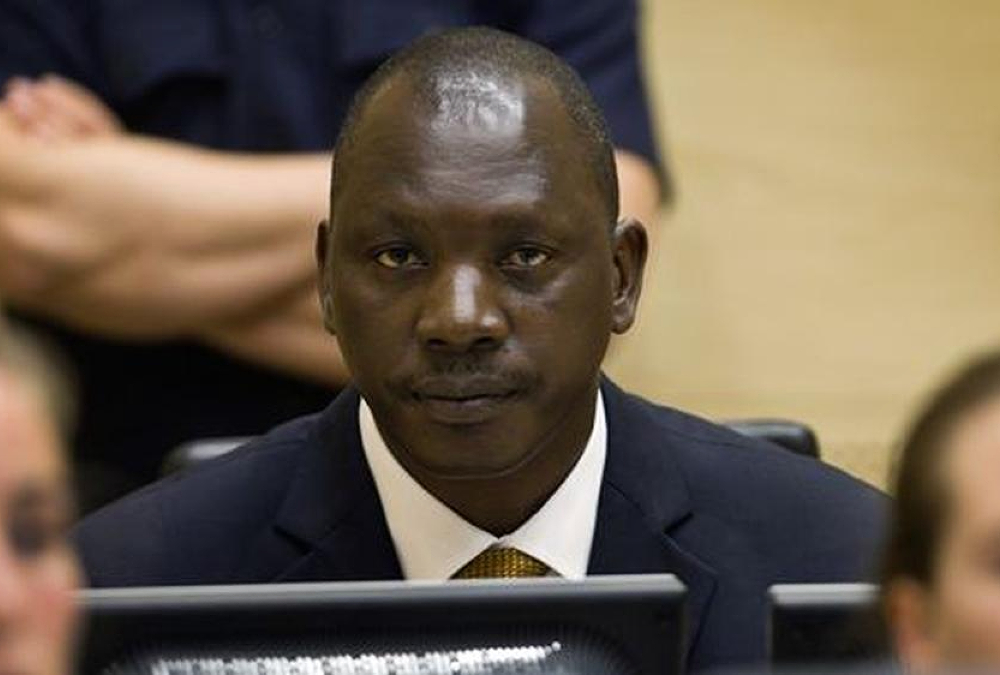
The conflict in eastern Democratic Republic of the Congo (DR Congo) has entered a dangerous new phase. Just as the world’s attention remains fixed on the M23 rebellion in North Kivu, a troubling development has emerged in the neighboring Ituri province: Thomas Lubanga, a former International Criminal Court (ICC) convict, has reemerged as the leader of a new armed militia – raising urgent questions about peace, accountability, and regional stability.
Lubanga, convicted in 2012 for war crimes including the conscription of child soldiers during the Ituri conflict of the early 2000s, served 14 years before his release in 2020. Shockingly, rather than being sidelined, he was swiftly integrated into the Congolese government’s peacebuilding apparatus.
President Félix Tshisekedi’s administration appointed him as an emissary to help mediate longstanding tensions in Ituri – a move that drew both skepticism and criticism from human rights advocates.
Now, that gamble appears to have backfired.
In recent weeks, Lubanga has announced the formation of a new rebel group, the Convention for the Popular Revolution (CPR), and engaged in violent clashes with Congolese armed forces. Initial reports indicate that at least 18 people have been killed in heavy fighting – an alarming escalation in a region already plagued by instability.
A Convict Reintegrated, Then Re-Armed
What makes this development particularly concerning is the context in which it unfolds.
Ituri, long overshadowed by the more publicized conflicts in North and South Kivu, has been a tinderbox of intercommunal violence for decades. The historical Lendu-Hema conflict – rooted in land disputes, ethnic tensions, and political manipulation – has displaced hundreds of thousands and claimed countless lives.
The government’s decision to rehabilitate Lubanga was based on the hope that his influence could help pacify this volatile region. Instead, he may be fueling its next chapter of violence.
Compounding the crisis is the presence of the Allied Democratic Forces (ADF), an Islamist militant group affiliated with the Islamic State Central Africa Province (ISCAP). In recent months, the ADF has intensified its campaign of terror, carrying out brutal attacks on civilians – particularly Christians – across eastern DR Congo.
The convergence of ethnic militias, state forces, and transnational jihadist networks has created a complex, multi-layered conflict that defies simple solutions.
Geopolitical Flashpoints: From Ituri to North Kivu
Equally troubling is the geographic proximity of Ituri to North Kivu. Should Lubanga’s CPR establish coordination with the M23 rebels – whose resurgence has already strained regional diplomacy – the potential for a broader, interconnected insurgency cannot be ignored.
While there is no confirmed alliance yet, the risk of tactical or logistical collaboration between rebel factions is growing.
This moment demands urgent regional and international attention.
If Lubanga is operating from or receiving support in Uganda, where he was reportedly relocated after being taken hostage in 2022, Kampala bears a responsibility to prevent its territory from being used as a base for destabilizing activities. Regional actors, including the East African Community and the African Union, must leverage diplomatic channels to de-escalate tensions and pressure all armed groups – including Lubanga’s – to lay down their arms.
Peace at a Crossroads: Accountability vs. Expediency
Moreover, the DR Congo government must reassess its strategy of integrating former warlords into peace processes without robust oversight or accountability mechanisms. Reconciliation is essential, but not at the cost of justice or long-term security.
Ultimately, the path to peace in eastern DR Congo will require more than military action. It demands inclusive dialogue, justice for victims, and sustained international engagement.
While a peace deal in North Kivu could provide much-needed momentum, stability in Ituri is equally critical.
The return of Thomas Lubanga is not just a setback – it’s a warning. The world must act before the fragile situation in eastern Congo spirals further out of control.
Let’s give peace a chance – before it’s too late.
Fidel Amakye Owusu is an International Relations and Security Analyst. He is an Associate at the Conflict Research Consortium for Africa and has previously hosted an International Affairs program with the Ghana Broadcasting Corporation (GBC). He is passionate about Diplomacy and realizing Africa’s global potential and how the continent should be viewed as part of the global collective.
