
Owusu on Africa
Regional Stability: the only sure way Ethiopia can comfortably access the coast

By Fidel Amakye Owusu
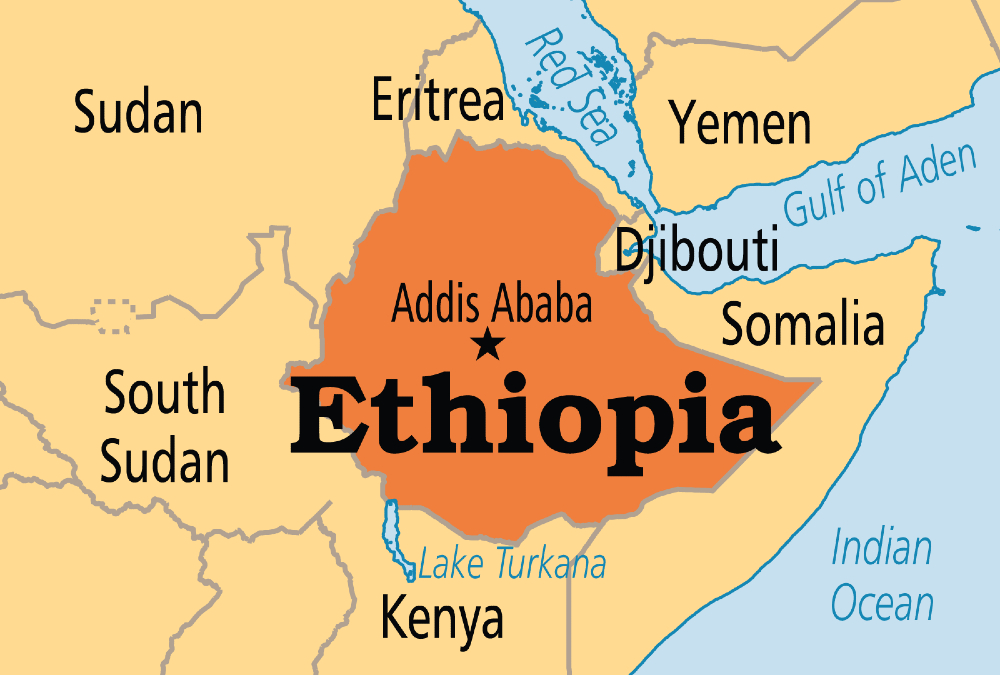
The secession of Eritrea from Ethiopia in the early 1990s technically made Ethiopia the largest landlocked country in the world by population size.
One of the main reasons Ethiopia had resisted Eritrea’s independence was the fear that its access to Red Sea ports would be controlled by an unpredictable smaller neighboring state. As anticipated by Addis Ababa, despite initially being allowed to use the port of Assab after Eritrea’s independence, this access was short-lived and cut off when another war erupted later in the 1990s.
Last year, the Ethiopian Prime Minister caused regional unease by suggesting that the country might use force to access the coast if peaceful means failed. While Ethiopia currently imports goods through the Djibouti corridor, the country has a strong desire for a secure port under its control. Ethiopia boasts the largest economy in the East and Horn of Africa regions.
However, Ethiopia appears to have abandoned its ambitions in Eritrea, deeming them too costly. History has shown that any aggression would be met with strong resistance from Asmara, where Isaias Afwerki maintains firm control. As a result, Ethiopia signed an agreement with the autonomous Somaliland of Somalia for an “exclusive lease on the sea” lasting 50 years. This move has alarmed Mogadishu and escalated tensions, raising issues of sovereignty and interference.
Interestingly, if Ethiopia seeks a secure port, increasing tensions with its neighbors and entering into such agreements might not be the best strategy.
Way forward?
Firstly, as Abiy Ahmed began when he first took office in 2018, he should leverage Ethiopia’s power to promote peace and foster good relations with neighboring countries. His initial efforts at rapprochement with Eritrea, which earned him a Nobel Peace Prize, could be extended in this volatile region.
If Ethiopia desires a port due to regional insecurity and unpredictability, its actions should not exacerbate the situation. Over the past few decades, the country has experienced impressive growth without owning a port. Ethiopia will continue to thrive and maintain confidence in its maritime trade if the Horn of Africa remains stable – a stability it must actively help to achieve.
Fidel Amakye Owusu is an International Relations and Security Analyst. He is an Associate at the Conflict Research Consortium for Africa and has previously hosted an International Affairs program with the Ghana Broadcasting Corporation (GBC). He is passionate about Diplomacy and realizing Africa’s global potential and how the continent should be viewed as part of the global collective.
