
Owusu on Africa
The resource factor in the M23 campaign for Goma
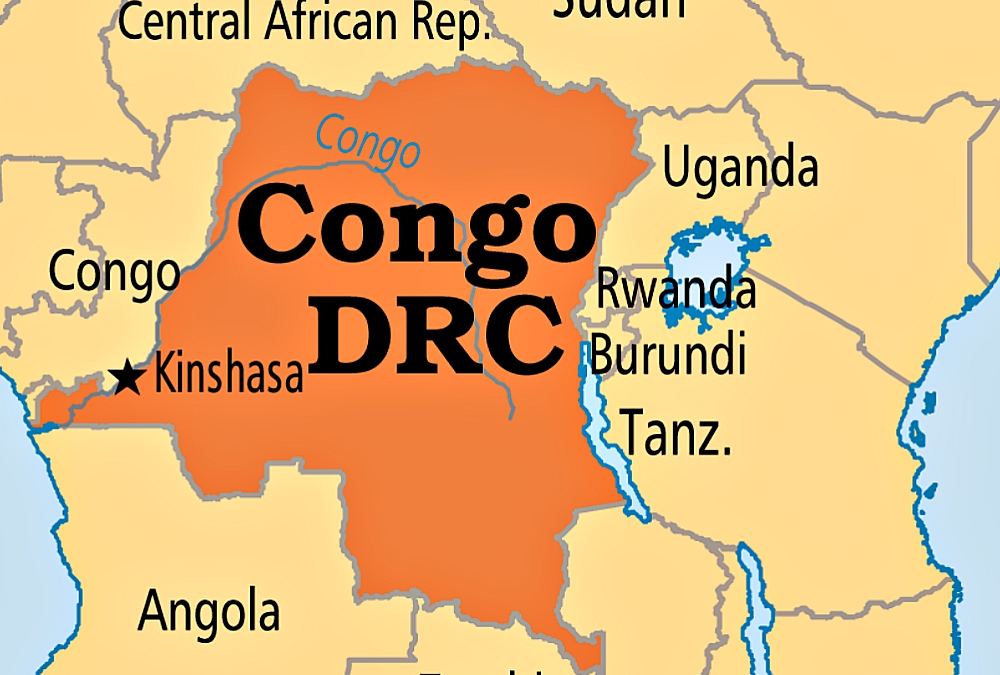

By Fidel Amakye Owusu
The uranium used in the creation of the first atomic bombs was largely sourced from the mines of the Lubumbashi area in the Katanga region of the Democratic Republic of Congo (DR Congo) – a fact that predates the country’s independence. Following independence, the DR Congo’s vast resource wealth became a central factor in the Katanga secessionist movement and Cold War politics.
Today, the DR Congo remains a country rich in natural resources, with some of the world’s most abundant deposits of rare earth minerals. Its cobalt, lithium, and coltan are essential to industries worldwide, especially in Silicon Valley.
Over the past few years, China has notably increased its interest in the DR Congo’s cobalt reserves, which are among the largest in Africa.
But what does this mean for the people and politics of the region?
On August 8, 2024, it was reported that M23 rebels captured Rubaya, a key mining town in the North Kivu region. Rubaya is one of Africa’s largest coltan producers, and the takeover underscores what many believe to be the primary motivation behind the rebellion: access to resources.
Ethnic Dynamics vs. Resource Control in the Conflict
While much has been written about the ethnic and linguistic dynamics that fuel the M23 rebellion, it is clear that the primary driving force behind the conflict is the control of valuable resources. This drive for wealth has intensified the conflict and exacerbated the crisis in the region.
For months, the M23 rebels have targeted Goma, a major urban center, leading to the capture of surrounding villages and a massive exodus of people seeking refuge. This has resulted in a dire humanitarian situation.
In response, Congolese forces have focused their efforts on defending Goma and its surroundings, while the rebels appear to be prioritizing resource acquisition over military victory. Allegedly backed by Rwanda, just across Lake Kivu, the M23 rebels’ control of these resources could strengthen their position during future negotiations.
With growing international pressure on both Rwanda and the DR Congo to seek a peaceful resolution, the rebels are likely aiming to hold stronger bargaining power at the negotiating table. For Kinshasa, securing control over resource-rich areas like the mines is crucial, but it also underscores the unfortunate reality that these resources are often exploited to fuel further conflict.
Looking ahead, the DR Congo is home to Africa’s fourth-largest population, much of it young and eager for development. The country’s wealth in natural resources must be harnessed for the benefit of its people, but this requires finding a lasting solution to the conflict that has been perpetuated by competing, narrow interests. Addressing this complex situation will be essential for the future of the DR Congo and its people.
Fidel Amakye Owusu is an International Relations and Security Analyst. He is an Associate at the Conflict Research Consortium for Africa and has previously hosted an International Affairs program with the Ghana Broadcasting Corporation (GBC). He is passionate about Diplomacy and realizing Africa’s global potential and how the continent should be viewed as part of the global collective.
