
Owusu on Africa
Implications of Gabon’s new government for the country’s future

By Fidel Amakye Owusu
When the current junta in Mali staged its first coup in 2020, the regional body – Economic Community of West African States (ECOWAS) – and the African Union pressured Assimi Goïta to return power to civilian leaders. A compromise was reached, creating a hybrid government with civilians and military officials. Goïta agreed to be the Vice President, while civilians held the positions of head of state and head of government.
As anticipated, the military later staged another coup, removing civilians from significant government roles. Currently, the military controls Bamako entirely.
Why does this matter?
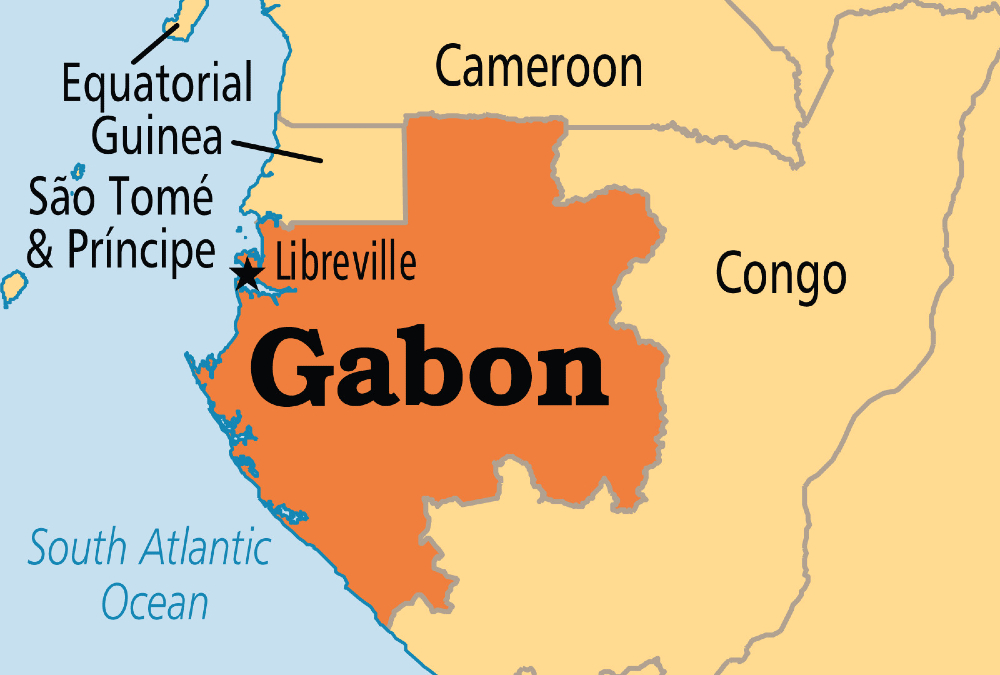
Following the coup in Gabon on August 30, I speculated on potential outcomes, including the likelihood of a military-civilian power-sharing arrangement in Libreville.
Recently, the newly appointed civilian transitional prime minister announced the formation of a military-civilian transitional government. The Prime Minister, who served in the same role under the deposed president from 2012 to 2014, is familiar with the position.
The new 26-member government comprises civil society members, opposition figures, and military personnel. Prime Minister Ndong Sima will navigate working with these diverse individuals under the country’s first military ruler, presenting several challenges.
What are these challenges?
Firstly, the government structure remains similar to that used since Gabon’s independence, but with a military head of state. This follows the French hybrid system, meaning General Brice Nguema will have substantial power, not just a ceremonial role. He can dissolve the government, dismiss the prime minister, or veto decisions, potentially holding more power than his predecessor, Ali Bongo.
Another challenge is the nature of the coup itself. Military appointees in the government may wield more influence and power than civilians. A hybrid government can often resemble mixing water and oil, where individual qualities remain distinct, leading to potential conflicts. This could complicate transition timelines and guidelines, with factions in the cabinet either delaying or facilitating the process, and disagreements prolonging it.
Despite these challenges, Gabon has the potential to set a positive example for transitions in Africa.
More developments to follow…
Fidel Amakye Owusu is an International Relations and Security Analyst. He is an Associate at the Conflict Research Consortium for Africa and has previously hosted an International Affairs program with the Ghana Broadcasting Corporation (GBC). He is passionate about Diplomacy and realizing Africa’s global potential and how the continent should be viewed as part of the global collective.
