
Owusu on Africa
Chad’s threat to withdraw from the Multinational Joint Task Force: one too many?

By Fidel Amakye Owusu
In 2022, Mali unilaterally withdrew from the G5 Sahel after the military alliance raised concerns about the country’s internal affairs. This decision effectively isolated Mauritania, the westernmost member of the alliance, and weakened the group’s overall effectiveness.
The G5 Sahel was originally established to enhance coordination and synchronization among member states in their efforts to combat terrorism.
Subsequently, in 2023, Burkina Faso and Niger also withdrew under the direction of their military leaders, leaving Mauritania and Chad as the only remaining member states. This development has rendered the alliance virtually defunct, with Mauritania and Chad geographically separated at opposite ends of the Sahel region.
This year, Sudan similarly suspended its membership in the Intergovernmental Authority on Development (IGAD) after member states of the Horn of Africa group hosted Rapid Support Forces (RSF) leader, Mohamed Hamdan Dagalo, in their capitals.
In another significant development, the President of Chad announced that he was contemplating the withdrawal of Chadian forces from the Multinational Joint Task Force (MNJTF). This move underscores a broader trend of disengagement from regional security alliances.
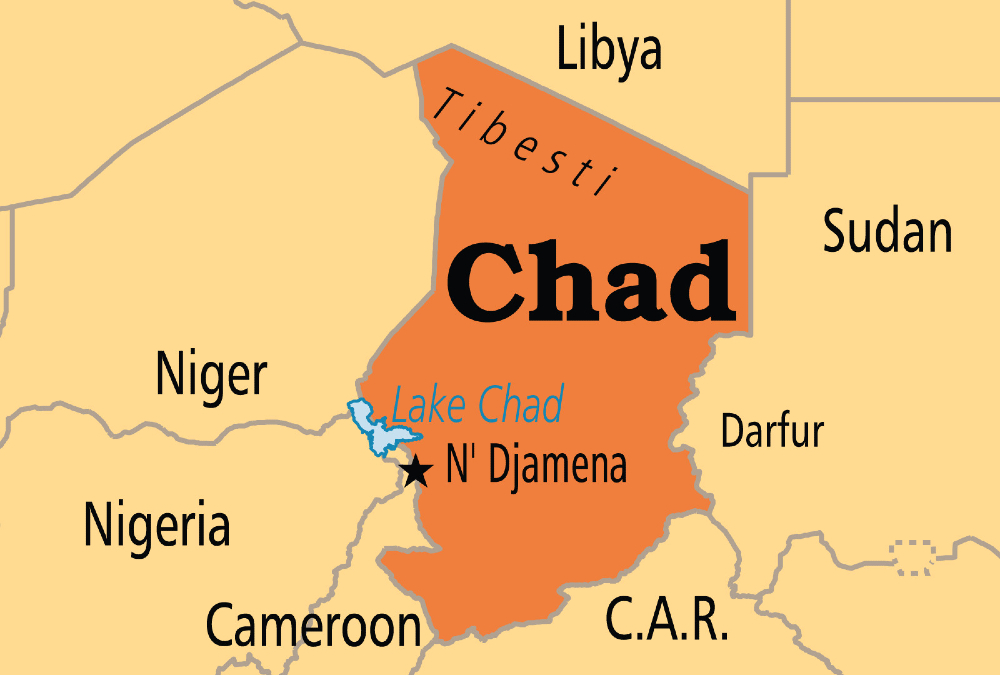
The MNJTF, established by members of the Lake Chad Basin Commission – Nigeria, Cameroon, Chad, and Niger – aims to combat extremist threats such as Boko Haram and the Islamic State West Africa Province (ISWAP) by fostering coordinated counterterrorism strategies at tactical, operational, and strategic levels.
Chad’s potential withdrawal, though not yet realized, serves as an unnecessary and avoidable distraction following a major attack on Chadian forces. Operational setbacks, however severe, should not justify the abandonment of a relatively effective mechanism for combating extremism.
This raises a broader question: Is withdrawal from multinational security arrangements and regional organizations becoming a new way for Sahel-region states to assert their independence in international relations? The ongoing challenges in West Africa, particularly with junta-led states such as Mali and Burkina Faso leaving the ECOWAS bloc, have exacerbated regional instability, leading to some of the most severe security crises in recent memory.
Fidel Amakye Owusu is an International Relations and Security Analyst. He is an Associate at the Conflict Research Consortium for Africa and has previously hosted an International Affairs program with the Ghana Broadcasting Corporation (GBC). He is passionate about Diplomacy and realizing Africa’s global potential and how the continent should be viewed as part of the global collective.
