
Owusu on Africa
Women in Africa and the terror threat

By Fidel Amakye Owusu
The rise in extremist activities across various regions of Africa has deeply destabilized local populations, with women and children being the most affected.
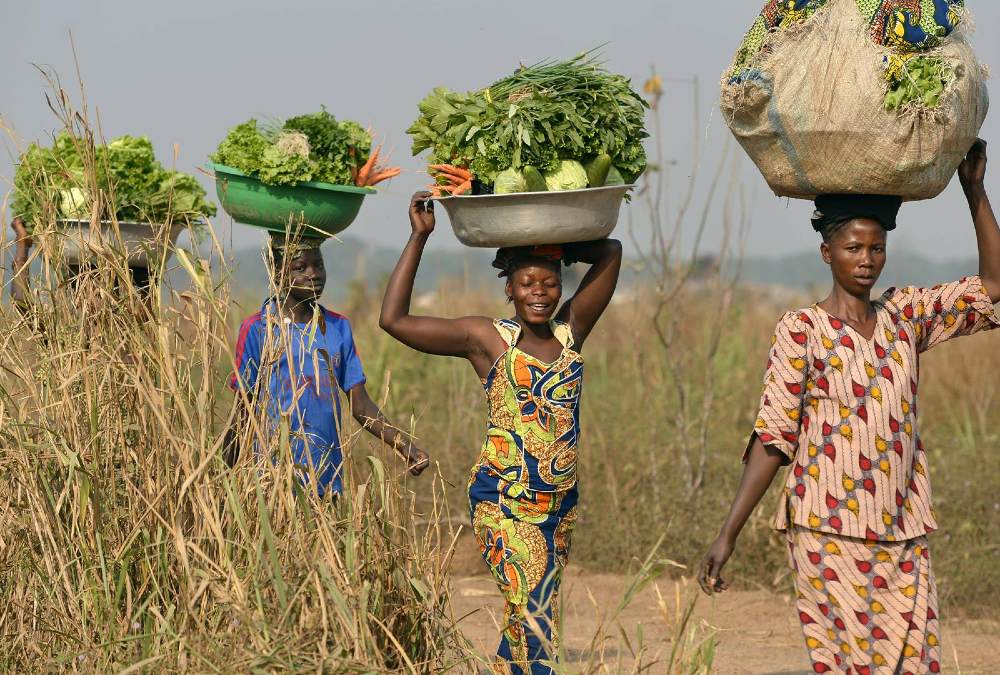
Several factors contribute to the heightened vulnerability of women and children amidst the turmoil in some African localities and states. From the Sahel and Northern Nigeria in West Africa to Southern Somalia in the East and Cabo Delgado in Mozambique, rural life in Africa is largely sustained by women.
Women play a crucial role in farming activities in these regions, making them less likely to migrate. Consequently, the presence of terror groups has led to women comprising the majority of internally displaced persons (IDPs). Displacement brings with it numerous vulnerabilities, as women and children often face exploitation.
In areas where terror activities are prevalent, the education of girls is immediately threatened or cut short. This is sometimes due to the extremist ideologies of terror groups, and sometimes due to the pervasive violence that prevents children from attending school. For instance, in Cabo Delgado, ISIS affiliates have reportedly beheaded children as young as 11.
Women and children who remain in terror-stricken areas often become convenient human shields for terror groups, leading to their tragic involvement as “collateral damage” in anti-terrorism efforts.
There have been numerous reports of enslavement, forced marriages, and rape in regions where terror groups operate. In Nigeria, the infamous kidnapping of the “Chibok Girls” by Boko Haram extremists led to many of them being forcibly married to extremists. The psychological trauma and lifelong mental health issues resulting from such ordeals are often overlooked.
Even after extremists are expelled from these areas, the path to normalcy often fails to adequately include women. These societies are typically patriarchal and less sensitive to gender issues. Despite the existence of various continental and regional protocols aimed at protecting women and children during crises, their implementation and effectiveness in terror-affected areas are often lacking.
As states combat terrorism, there is a crucial need for early warning and relief systems tailored to the needs of African women and children. Such systems require both local and international support and coordination.
Let’s work together to eradicate terrorism and protect the most vulnerable members of our societies.
Fidel Amakye Owusu is an International Relations and Security Analyst. He is an Associate at the Conflict Research Consortium for Africa and has previously hosted an International Affairs program with the Ghana Broadcasting Corporation (GBC). He is passionate about Diplomacy and realizing Africa’s global potential and how the continent should be viewed as part of the global collective.
