
Owusu on Africa
Why is the DRC confronting “Silicon Valley”?

By Fidel Amakye Owusu
The history of the Democratic Republic of Congo (DRC) is that of a resource-rich territory that is faced with one conflict or another across time and space.
For centuries, the resources of the country have not only shaped its security dynamics but that of the continent and the world as well. In creating the atomic bomb in the twentieth century, uranium from southern DRC was critical.
After the country gained independence in 1960, it was caught in the tumultuous tentacles of the Cold War. Almost immediately, separatism and other rebellions had started. The consequences of the struggle have proven disastrous for the development of the country.
Despite the internal instability of the past decades, the resources of the country continue to get to destinations outside. Cobalt, coltan, tantalum, tungsten tin, and gold among others.
And so, what?
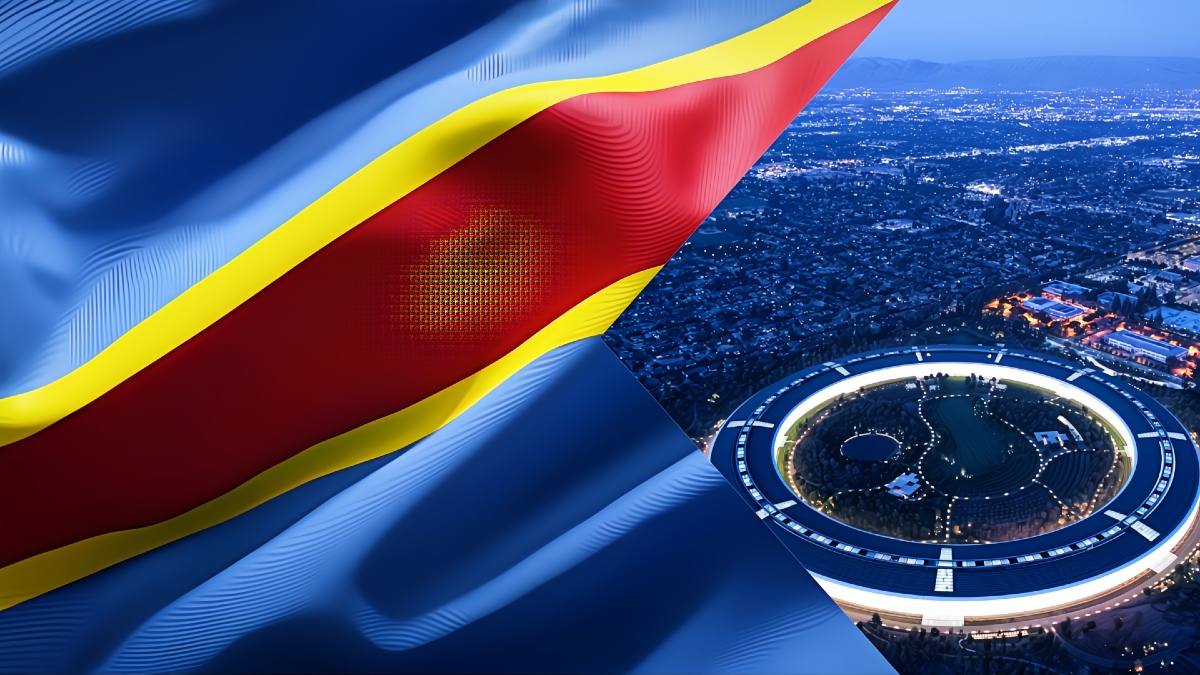
The government of the DRC has filed cases against the US tech giant, Apple. Kinshasa has accused the company, which is one of the most valuable in the world, of using “blood minerals” from Eastern DRC in the production of its products.
Apple has disputed the allegations and stated that it instructed its suppliers to stop buying some minerals from DRC and Rwanda in early 2024.
With the worsening conflict situation in resource-rich eastern DRC that has allowed rebels and other rogue actors to engage in artisanal mining, the extraction and supply of tons of highly sought-after minerals has been illegitimate. It is almost impossible for the government to quantify or trace the supply chain of these resources.
However, the destinations for these minerals are widely known by experts and governments. Apple’s response, while denying continued purchase of the minerals, points to the fact that it has purchased them in the past years—at a time when conflict still plagued the region. It is better late than never.
While some sort of negotiation or litigation may happen between a wealthy non-state actor and a struggling state, there must be a process established to prevent resources from the eastern DRC from being sold in legitimate markets.
The Kimberly Process Certification Scheme which was established in 2003 to “ensure that diamond purchases were not financing violence by rebel movements and their allies seeking to undermine legitimate governments” is a good example that can be replicated. It was helpful to Sierra Leone.
Way forward?
As rebel activities and other macabre conflicts worsen in Eastern DRC multinationals should cooperate with governments and regional security actors to cut the funding for rogue actors. Lives are at stake.
Fidel Amakye Owusu is an International Relations and Security Analyst. He is an Associate at the Conflict Research Consortium for Africa and has previously hosted an International Affairs program with the Ghana Broadcasting Corporation (GBC). He is passionate about Diplomacy and realizing Africa’s global potential and how the continent should be viewed as part of the global collective.
