
Opinion
The Caribbean: A Clean Energy Revolution on the Front Lines of Climate Change
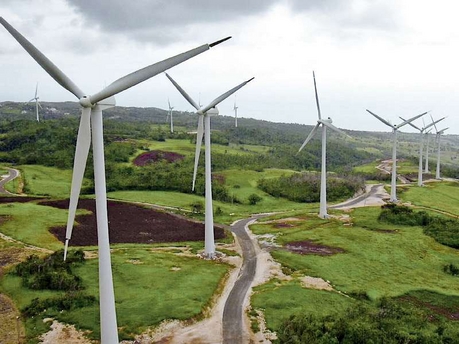
A frontline region
Barbados is not alone in the Caribbean in its enthusiasm for green technology.
Aruba is planning a 3.5-MW solar airport, perhaps the largest such project in the world. The Dutch-speaking island has combined wind and solar power with energy efficiency measures to cut its imports of heavy fuel oil in half, saving some US$50 million a year.
The volcanic islands of Nevis, Montserrat, and St. Vincent have contracted with Icelandic geothermal companies to conduct exploratory projects to determine how to tap their vast geothermal potential. Meanwhile, mountainous Dominica already meets about half of its energy demand with hydropower.
Caribbean island-nations do not just have abundant resources for developing clean energy. They also have compelling reasons to do so. The region is burdened by some of the highest energy costs in the world, which have stunted its industrial development and drained its reserves of foreign exchange.
The island-nations also have fragile ecosystems like mangrove forests and coral reefs, which are highly vulnerable to oil spills and pollution. And many countries including Barbados, Jamaica and the Bahamas depend on tourists, who will flock there only so long as the places remain attractively clean and green.
But the best reason to cut carbon emissions is the danger that these island-nations face if climate change proceeds unchecked. And indeed, climate change is already having a big impact.
In recent years, lower rainfall in the Eastern Caribbean has posed a threat to agriculture and scarce groundwater supplies. Sea level rise as well as ocean acidification and warming have killed many protective coral reefs, leading to severe beach erosion. And the hurricane-prone region is being battered by increasingly frequent and powerful storms.
