
Owusu on Africa
Owusu on Africa: The dynamics behind the latest US military exit from Chad – my interview with the BBC

By Fidel Amakye Owusu
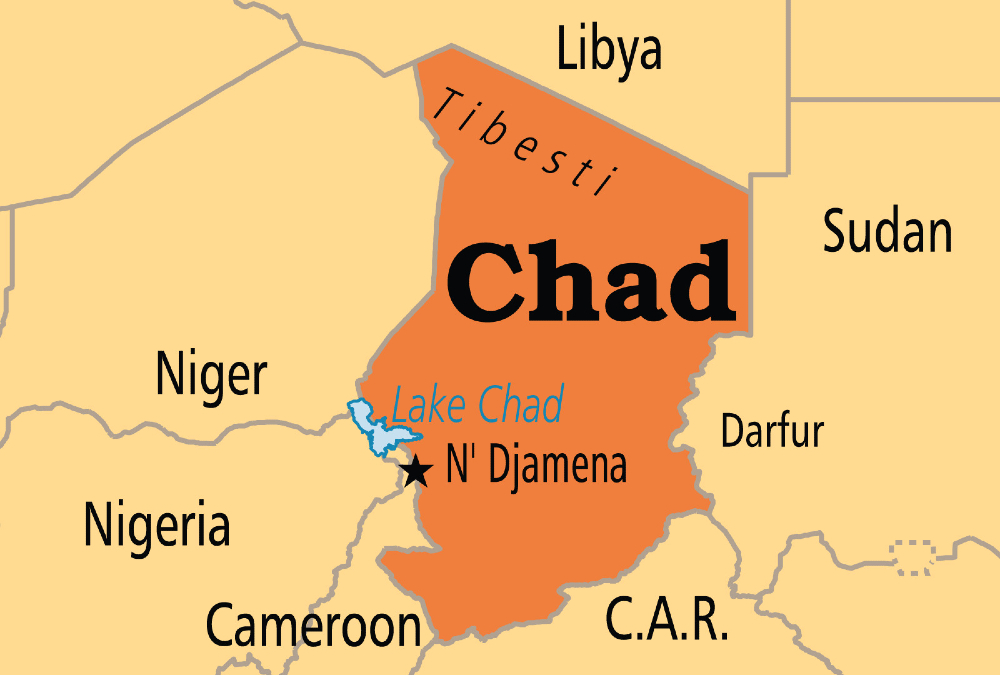
In December 1990, the late Idriss Déby, and his insurgent Patriotic Salvation Movement, overran the country’s capital, N’Djamena, having invaded from Libya without facing opposition, beginning a tenure that lasted until his tragic demise in 2021.
Déby’s rise marked the end of the Hissène Habré regime. In the early 1990s, like many right-wing dictators, Habré found himself without expected support from Western powers. With the collapse of the Berlin Wall and the Soviet Union, these dictators were seen as liabilities in the emerging “New World Order” by Western nations.
According to a report I came across, there was a sense of urgency within the US diplomatic mission and its affiliates in the hours before Déby took power. Files were hastily shredded as some personnel prepared to leave the country ahead of Déby’s forces, backed by then-Libyan president, Muammar Gaddafi. The future seemed uncertain.
Fast forward to recent events, I was asked by BBC’s Focus on Africa to explain why US forces withdrew from Chad.
While I don’t have direct insight into the decision-making process, current events and rapidly changing dynamics provide clues.
During the discussion, I addressed several questions:
- Why are US troops leaving Chad?
- Is the withdrawal temporary or permanent?
- Do Chadian authorities have specific concerns about the US presence?
- Does the withdrawal mean an end to security cooperation?
- Could US troops return to Chad with revised military agreements?
- How important is Chad for US security strategy in the region?
- Does this withdrawal affect US military operations in the Sahel?
- Are French troops vulnerable to a fate like those in Niger and Mali?
I argued that military regimes in the Sahel prioritize regime survival above all. Any external party advocating for democracy risks facing opposition. I also highlighted Chad’s geostrategic importance in Africa and its role in regional security frameworks. Future military cooperation between Chad and the US would depend largely on Chad’s internal dynamics, similar to recent events in Niger.
Since the 9/11 attacks, Sahel countries have been crucial in US efforts to prevent terror groups from establishing safe havens for attacks against American interests. Recent developments seem to challenge this strategic approach.
Here is the link to the interview:
Fidel Amakye Owusu is an International Relations and Security Analyst. He is an Associate at the Conflict Research Consortium for Africa and has previously hosted an International Affairs program with the Ghana Broadcasting Corporation (GBC). He is passionate about Diplomacy and realizing Africa’s global potential and how the continent should be viewed as part of the global collective.
