
Owusu on Africa
Owusu on Africa: Emergency preparedness is critical to statehood

By Fidel Amakye Owusu
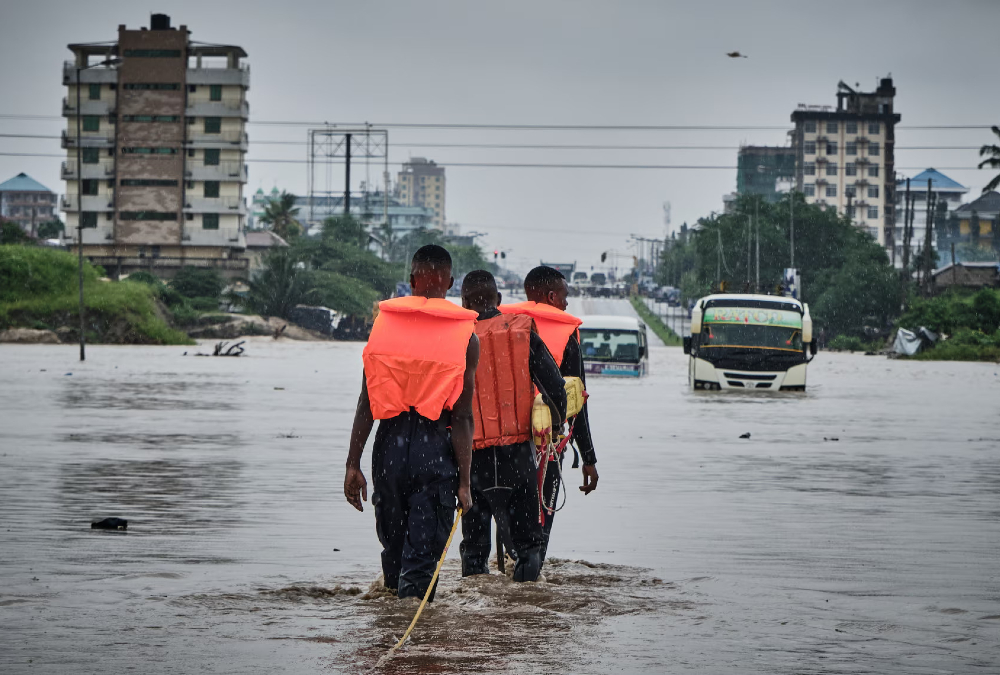
Amidst the tragic surge in fatalities caused by the floods in Kenya, prioritizing investment in disaster preparedness emerges as an undeniable imperative for African nations.
On September 8, 2023, Morocco was struck by a devastating earthquake measuring 6.8 on the Richter scale. Centered in the Atlas Mountains, the quake claimed numerous lives in surrounding villages, with significant losses in the historically rich city of Marrakesh.
Shortly after, Libya, located two countries away, faced its own tragedy. Storm Daniel, an unprecedented tempest, wreaked havoc in Eastern Libya, exacerbating structural vulnerabilities and claiming over 11,000 lives.
These events underscore a universal truth: natural disasters spare no one. However, the degree of devastation often hinges on the efficacy of disaster management systems.
Morocco, boasting robust institutions and well-equipped disaster management agencies, fared comparatively better in the aftermath. In contrast, Eastern Libya, lacking adequate preparation, struggled to cope. Damaged infrastructure and compromised safety measures exacerbated the crisis.
News of 1.7 million Somalis requiring emergency aid following floods further emphasizes the urgency of effective disaster preparedness across Africa.
Somalia, amidst ongoing efforts to rebuild amidst decades of turmoil and combat extremism, remains financially fragile. Consequently, resources are primarily allocated to immediate priorities, neglecting investments in disaster mitigation.
This trend isn’t unique to Somalia; even relatively stable states face similar challenges.
The path forward demands proactive measures. Rapid climate shifts and escalating seismic activity necessitate readiness for inevitable natural disasters.
For vulnerable states like Somalia, such preparedness is crucial for preventing further instability. When citizens lose faith in their government’s ability to protect them, they may turn to alternative, often destabilizing, sources of security.
Development and security partners must prioritize disaster preparedness alongside counterterrorism efforts. Simply arming states against external threats overlooks the fundamental need to manage disasters independently.
In conclusion, investing in disaster preparedness isn’t just a luxury – it’s a strategic imperative for safeguarding national security and promoting stability across Africa.
Fidel Amakye Owusu is an International Relations and Security Analyst. He is an Associate at the Conflict Research Consortium for Africa and has previously hosted an International Affairs program with the Ghana Broadcasting Corporation (GBC). He is passionate about Diplomacy and realizing Africa’s global potential and how the continent should be viewed as part of the global collective.
