
Owusu on Africa
Owusu on Africa: “Condescending, disrespectful, not truly fighting terrorism” and others – all pretexts for power grab

By Fidel Amakye Owusu
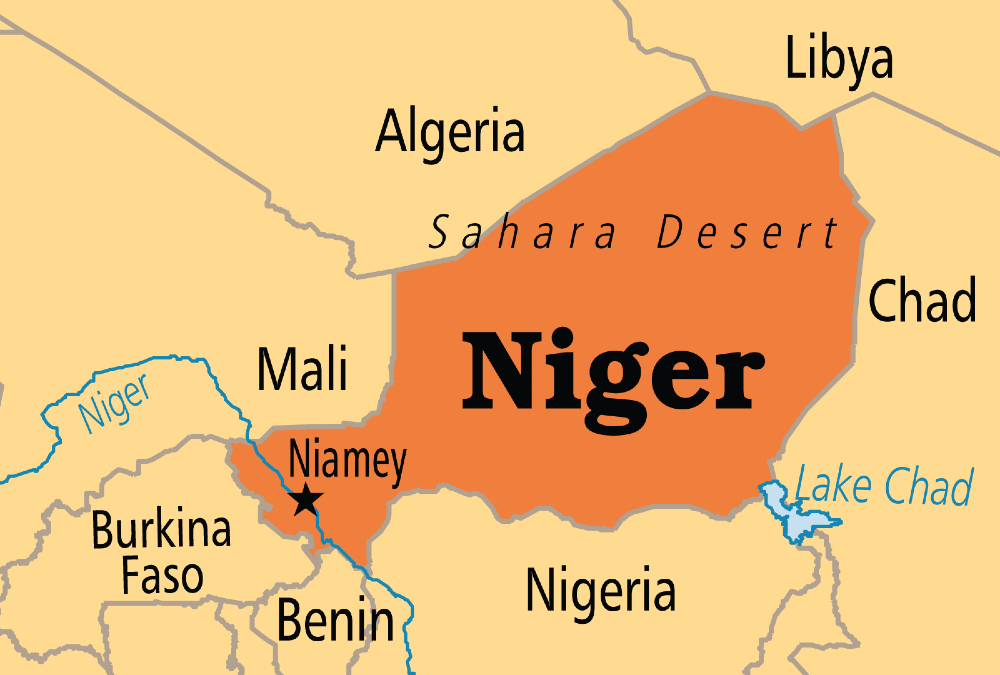
The military junta in Niger has declared an end to its military collaboration with the United States, denouncing the agreement that facilitated the establishment of a drone base in the country as “illegal.”
One of the grievances cited by the junta is the alleged lack of transparency during negotiations, with the US refusing to disclose the size of its delegation and being perceived as “condescending” by the Nigerien authorities.
Asserting its sovereignty, the junta emphasized its right to select security partners independently, prioritizing those committed to genuine counterterrorism efforts.
This stance underscores a familiar pattern seen in many African junta-led governments, where maintaining power takes precedence over other considerations, often perceived as acts of aggression.
This recent development in Niger reaffirms this pattern. The junta’s insistence on partnering with entities that truly combat terrorism carries a touch of irony. When faced with the emergence of groups like al-Qaeda in the Islamic Maghreb (AQIM) and Ansar al-Din in 2012, local forces, including those in Niger and Mali, were unable to contain them effectively. It was only through the intervention of French and ECOWAS (Economic Community of West African States) forces that these extremist groups were pushed back. The establishment of the US drone base in Niger during this period was a response to the urgent need to address the threat.
While legitimate concerns about procedural matters could be raised, it’s essential to recognize the exigency of the situation at the time. Notably, Russia, now touted as an alternative partner in the fight against terrorism, was notably absent during this critical phase.
Furthermore, accusations of protocol breaches by the junta lack credibility, particularly given their willingness to engage in negotiations with the US delegation.
The junta’s aversion to any mention of democracy during negotiations speaks volumes about its priorities. Such discussions are perceived as threats to their grip on power, and any insinuation of relinquishing control is swiftly dismissed as “condescending.”
A pertinent question arises regarding the efficacy of military-led efforts in combating terrorism, especially considering the worsening situation in Mali and Burkina Faso since their interventions. The reluctance of military forces to cede control suggests a deeper motivation to retain power at any cost.
In essence, the junta’s decision reflects a familiar narrative of prioritizing self-preservation over genuine efforts to address security challenges in the region.
Fidel Amakye Owusu is an International Relations and Security Analyst. He is an Associate at the Conflict Research Consortium for Africa and has previously hosted an International Affairs program with the Ghana Broadcasting Corporation (GBC). He is passionate about Diplomacy and realizing Africa’s global potential and how the continent should be viewed as part of the global collective.
