
Opinion
Africa’s Urban Revolution Is Happening Now – Are You Ready?

By John Kourkoutas
While businesses plan for tomorrow’s Africa, they are overlooking today’s megacities. The narrative surrounding African urbanization suffers from a dangerous misconception: that it represents a future opportunity rather than a present reality.
While boardrooms in New York, London, and Singapore scrutinize projections for 2050, they are overlooking a transformation already reshaping the world’s economic geography. Africa’s urban revolution isn’t approaching – it has arrived, and the window for first-mover advantage is closing faster than most executives realize.
The Urban Shift Nobody Noticed
Between 1975 and today, Africa underwent a demographic transformation as profound as any in human history. What was once an overwhelmingly rural continent has experienced relentless urban growth, with cities expanding at rates that dwarf those seen in Asia’s boom decades.
By 2050, projections indicate Africa will be almost entirely urbanized, but focusing on that distant horizon obscures the extraordinary present.
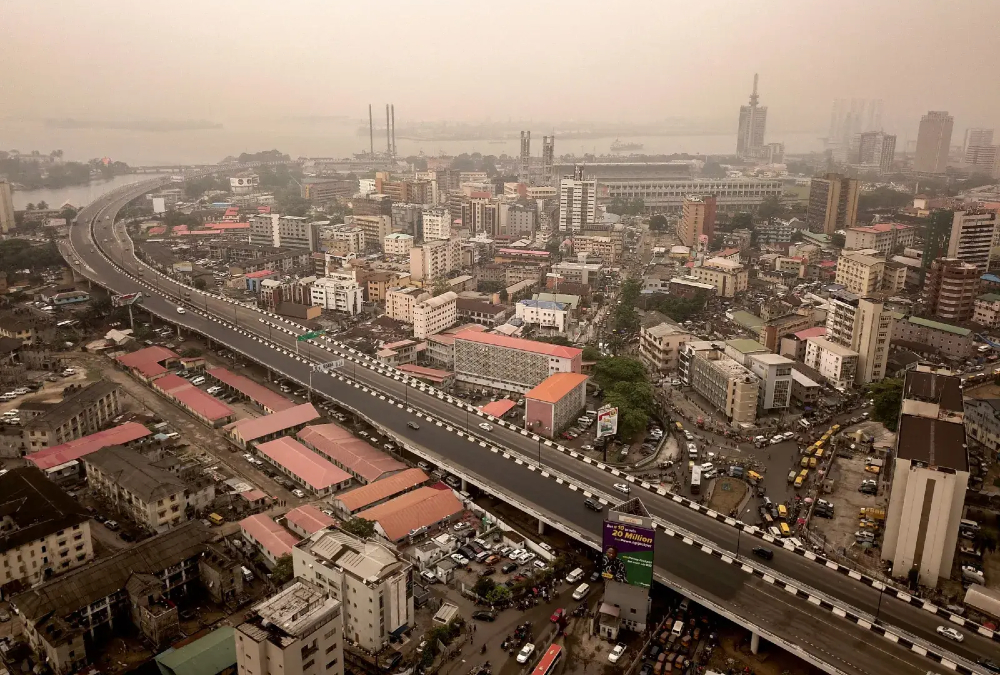
Consider the facts on the ground today. Lagos now hosts over 15 million people, surpassing London’s population.
Kinshasa has grown to 17 million residents, exceeding Paris. Cairo’s sprawling metropolitan area claims 22 million inhabitants, outstripping greater New York City.
Nairobi, with its 5 million residents, continues expanding at breakneck speed. These aren’t emerging markets in waiting – they are massive consumer bases demanding goods and services right now.
Yet the corporate response remains largely calibrated to yesterday’s Africa. Too many multinationals still approach the continent with rural-focused strategies, treating urbanization as a trend to monitor rather than a reality to exploit.
This represents a catastrophic misreading of the market landscape.
Why Urban Africa Changes Everything
Urbanization fundamentally alters economic dynamics in ways that create both unprecedented opportunities and intensified challenges. Understanding these shifts is essential for anyone seeking to capitalize on Africa’s growth trajectory.
Consumer behavior undergoes radical transformation. Urban populations concentrate purchasing power in ways rural communities cannot.
City dwellers spend more, demand higher quality, and exhibit consumption patterns that align with global trends. The urban African consumer increasingly resembles counterparts in São Paulo, Mumbai, or Jakarta – digitally connected, brand-conscious, and willing to pay premium prices for products that deliver genuine value.
Infrastructure demands explode exponentially. Rapid urbanization strains every system: housing, transportation, water, electricity, telecommunications, and waste management.
This infrastructure deficit represents perhaps the single largest investment opportunity on the planet. Governments cannot address these needs alone; private capital and innovative business models will prove essential.
Distribution networks become simultaneously easier and harder. On one hand, reaching millions of consumers in a single metropolitan area offers extraordinary efficiency compared to serving dispersed rural populations.
On the other hand, urban markets attract competition. Multiple players vie for the same customers, raising stakes and rewarding those who execute with excellence.
The middle class accelerates its expansion. Urbanization correlates strongly with job creation, income growth, and consumption increases.
Cities concentrate economic opportunity, enabling upward mobility at scale. This burgeoning middle class seeks financial services, consumer goods, education, healthcare, and entertainment – creating demand across virtually every sector.
The 2050 Fallacy
Here lies the critical error in contemporary business thinking: treating 2050 as the target date for African urban strategy. By 2050, today’s opportunities will have vanished.
Markets will have matured, incumbents will dominate distribution channels, consumer loyalties will have solidified, and the competitive landscape will resemble any other established urban market.
First-mover advantage is real, and it’s available now – not in 25 years. Companies entering African cities today benefit from markets that are growing at 3-5 percent annually, remain significantly underserved, and offer relatively accessible entry points.
Regulatory environments, while complex, are increasingly welcoming to foreign investment. Infrastructure gaps, though challenging, also mean less entrenched competition and more opportunities to establish dominant market positions.
Consider what happened in Asia. Companies that entered Chinese and Indian cities in the 1990s and early 2000s secured positions that later entrants found nearly impossible to challenge.
The same dynamic is playing out across Africa, but the window remains open – barely.
Where to Deploy Capital and Attention
Not all African cities offer equal opportunities, and strategic focus matters enormously. Priority markets include Nairobi, Lagos, Dar es Salaam, Accra, Abidjan, Lusaka, Johannesburg, and Cairo.
These metropolitan areas combine substantial population size, economic dynamism, relatively stable governance, and growing middle classes.
Each city presents distinct characteristics. Nairobi has emerged as East Africa’s technology and financial hub, with a sophisticated consumer base and robust startup ecosystem.
Lagos offers unparalleled scale and commercial energy, though navigating its complexity requires local expertise and patience. Cairo provides access to North Africa and the Middle East, with established infrastructure and a massive consumer market.
Johannesburg remains Africa’s most developed economy, offering a testing ground for products and services before broader continental expansion.
The imperative is clear: build distribution infrastructure now. Establish supply chains, develop local partnerships, recruit talent, and cultivate brand recognition while these markets remain accessible.
Companies that delay will find themselves competing against entrenched players who understood the urgency.
The Policy Dimension
For policymakers, African urbanization presents governance challenges of extraordinary magnitude. Cities growing at current rates will require massive investment in basic services, thoughtful urban planning to avoid the worst excesses of informal settlement, and regulatory frameworks that encourage productive economic activity while protecting vulnerable populations.
International development institutions and bilateral aid programs should recalibrate their focus. Rural development remains important, but the demographic reality demands proportionate attention to urban challenges.
Smart city technologies, sustainable transportation systems, affordable housing finance, and small business support in urban areas deserve greater priority in development assistance portfolios.
A Call to Action
The question facing business executives, investors, and policymakers is straightforward: Are you ready for urban Africa, or are you still planning for a rural continent that no longer exists?
The data demands urgency. The opportunity rewards boldness. And the window for establishing meaningful market positions is narrowing with each passing quarter.
Africa’s urban revolution isn’t coming – it’s here. The only question is whether you will participate in shaping it or watch from the sidelines as others claim the advantage.
Those who move decisively today will define the African consumer market for generations. Those who hesitate will spend decades trying to catch up.
The choice has never been clearer, and the time to act has never been more pressing. Urban Africa awaits – not in 2050, but right now.
John Kourkoutas is business development expert that specializes in helping companies, export teams, and business leaders succeed in Africa’s dynamic and emerging markets.
