
Owusu on Africa
Africa’s Military Transitions: The Real Test of Democratic Leadership

By Fidel Amakye Owusu
The pattern has become grimly familiar across Africa: military coups followed by promises of democratic transition, then a return to authoritarianism. But history reveals a critical truth – the transition itself matters far less than what happens when term limits arrive.
The Post-Independence Power Grab
Within years of independence sweeping across Africa, military officers began eyeing the presidential palace with ambition. The institutions designed to protect national sovereignty turned inward, toppling the very leaders they were meant to serve.
Kwame Nkrumah in Ghana, Tafawa Balewa in Nigeria, Modibo Keita in Mali, Sylvanus Olympio in Togo – all fell to military takeovers. By the late 1980s, the continent had witnessed dozens of successful and failed coups, with military juntas governing much of Africa.
The Cold War’s end brought renewed hope. Democratic winds swept through the continent, and military regimes began orchestrating transitions to civilian rule.
Benin led West Africa’s democratic revival, becoming a model for the region. Yet these transitions carried an inherent contradiction: the generals overseeing democratic reforms frequently harbored presidential ambitions themselves, transforming from coup leaders to electoral candidates with remarkable ease.
History Repeating: A New Wave of Military Rule
Today, history repeats itself with unsettling precision. Since Mali’s 2020 coup reignited military interventionism across West and Central Africa, another round of transitions has begun.
Chad completed its shift from junta to elected government. Gabon followed. Just days ago, Guinea joined this uncertain procession toward civilian rule. The question isn’t whether these transitions will occur – they inevitably do. The question is whether they will endure.
When Leaders Choose Democracy Over Power
The 1990s offer instructive precedents. Some military leaders who became civilian presidents surprised observers with genuine democratic commitment.
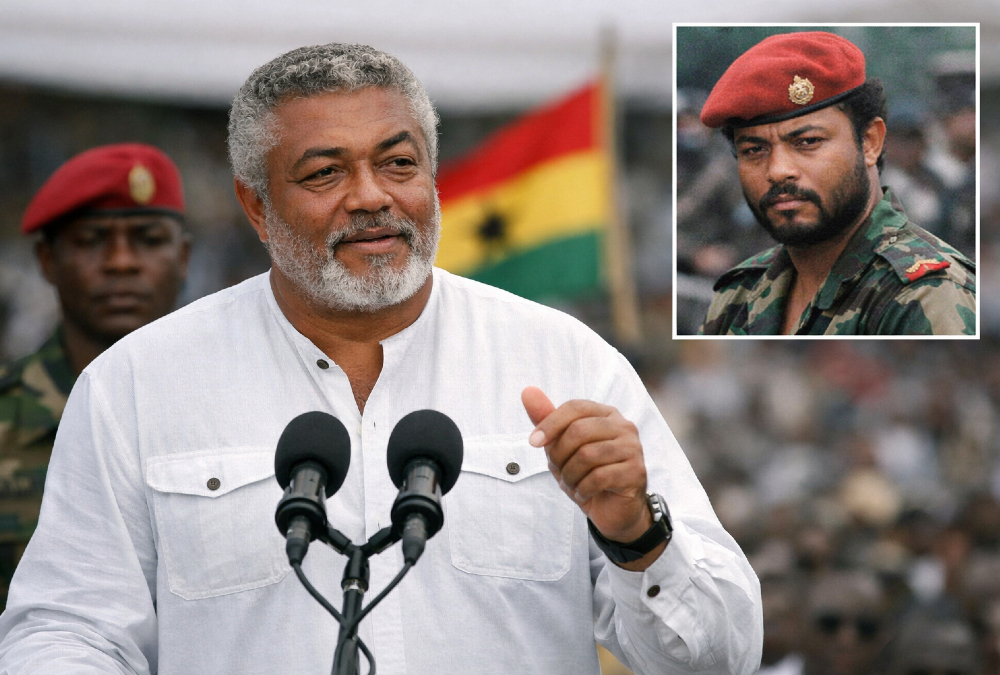
Jerry Rawlings of Ghana, after consolidating power through force, voluntarily relinquished it after two elected terms, handing authority to the opposition in 2001. His departure marked a watershed moment for West African democracy.
Benin’s Mathieu Kérékou demonstrated even more remarkable restraint. After losing the transitional elections he himself had organized in 1991, he peacefully transferred power – a stunning act of democratic self-denial.
His subsequent return to office through legitimate elections in 1996, followed by another peaceful departure, established Benin as a regional democratic anchor.
These examples illuminate an uncomfortable truth: military-to-civilian transitions themselves guarantee nothing. They are merely procedural rituals unless accompanied by the harder test of relinquishing power when constitutional term limits arrive.
The True Test: Knowing When to Leave
Africa’s current democratic crisis stems not from the absence of transitions but from leaders who orchestrate them only to cling to power indefinitely. When presidents manipulate constitutions to extend their tenure or engineer sham elections to maintain authority, they plant the seeds of future instability.
The coups that follow often justify themselves as correcting these democratic perversions, creating a self-perpetuating cycle of military intervention.
The real measure of democratic progress, then, lies not in the pageantry of transition ceremonies or the rhetoric of reform manifestos. It resides in the willingness of leaders to walk away when their time ends – to recognize that democratic legitimacy derives from respect for constitutional limits, not from the barrel of a gun or the manipulation of ballot boxes.
As Guinea, Chad, Gabon, and potentially other nations navigate their latest transitions from military to civilian rule, the continental precedent is clear. The transition itself will generate international applause and diplomatic recognition.
But the true test arrives years later, when term limits approach and the temptation to remain in power grows overwhelming.
Only when Africa’s leaders – whether they arrived through coups or elections – consistently choose constitutional succession over perpetual rule will the continent break free from its cycle of military intervention and democratic backsliding. Until then, each transition remains merely a prelude to the next crisis, and the difference between genuine democratic progress and authoritarian continuity hinges on a single, defining choice: knowing when to leave.
Fidel Amakye Owusu is an International Relations and Security Analyst. He is an Associate at the Conflict Research Consortium for Africa and has previously hosted an International Affairs program with the Ghana Broadcasting Corporation (GBC). He is passionate about Diplomacy and realizing Africa’s global potential and how the continent should be viewed as part of the global collective.
