
Opinion
Unlocking Africa’s Maritime Potential: Port Modernization and Infrastructure Investments Paving the Way for Global Trade Dominance

By Dishant Shah
Africa boasts over 170 commercial ports spread across the Atlantic and Indian Oceans, as well as the Mediterranean and Red Seas. Despite this impressive number, many of these ports remain underutilized or face significant inefficiencies that prevent them from realizing their full potential.
Strategic Positioning of Africa’s Coastline
With more than 30,000 kilometers (18,640 miles) of coastline, Africa is ideally positioned with direct access to some of the world’s busiest shipping routes. The Indian Ocean side links the continent to Asia, the Middle East, and beyond, while the Atlantic side connects to the Americas and Europe.
In theory, this strategic positioning should make African ports dominant players in global trade. However, underinvestment, logistical bottlenecks, and operational inefficiencies have hindered the development of many ports, preventing them from achieving their full capacity.
Challenges in West Africa’s Key Ports
For instance, several ports in West Africa, such as Tema in Ghana and Abidjan in Côte d’Ivoire (Ivory Coast), are experiencing rapid growth. Yet, they still fall short of the scale seen in major global trade hubs.
In Nigeria, the Apapa and Tin Can Island ports, which handle about 80 percent of the country’s imports, are infamous for congestion, with ships sometimes waiting weeks to unload cargo. Meanwhile, smaller ports like Calabar and Warri remain largely idle due to inadequate infrastructure and lack of investment.
East Africa’s Port Efficiency Gap
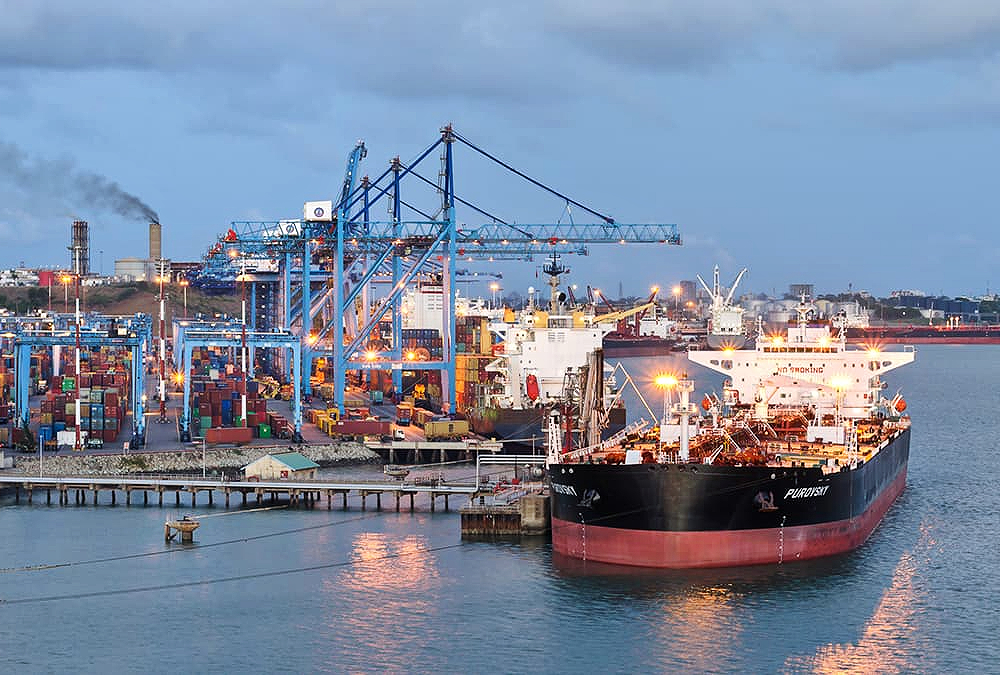
On the East African coast, Mombasa in Kenya and Dar es Salaam in Tanzania serve as key ports. Mombasa, the largest port in East Africa, plays a vital role in handling cargo for landlocked countries like Uganda, Rwanda, and South Sudan.
However, inefficiencies at the port can lead to delays of over 10 days, while similarly sized ports like Singapore manage to clear cargo in under 24 hours.
By fully leveraging its maritime assets, Africa could significantly reduce logistics costs, attract increased investment, and establish itself as a global trade powerhouse. The continent is on the cusp of realizing its potential in ways that are just beginning to be imagined.
Underutilized Coastlines and Logistics Bottlenecks
Some African countries, despite having extensive coastlines, have scarcely tapped into their maritime potential. These nations continue to rely heavily on imports routed through neighboring countries, further compounding the region’s logistical challenges.
The High Cost of Connectivity
One of the most significant issues is connectivity. Africa faces some of the highest inland transportation costs globally. For example, moving a container from an African port to a city just 500 kilometers (310 miles) inland can cost more than shipping the same container from China to Africa.
Poor rail networks, inadequate road infrastructure, and bureaucratic hurdles exacerbate the problem.
Investments in Port Modernization and Infrastructure
However, positive change is underway. Significant investments are flowing into port modernization projects, including the construction of new terminals, deeper harbors, and the implementation of digital logistics solutions.
Key developments such as Kenya’s Lamu Port, Nigeria’s Lekki Deep Sea Port, and projects in Djibouti are contributing to a new maritime vision for Africa. Ghana’s Tema Port expansion has already doubled its cargo handling capacity, and ports like Walvis Bay in Namibia are positioning themselves as regional logistics hubs.
The Path Forward: Integrating Ports into Efficient Supply Chains
Unlocking the full potential of Africa’s coastline requires more than just port upgrades. It necessitates the integration of these ports into efficient supply chains, improvements in road and rail connectivity, and a reduction in bureaucratic inefficiencies.
By fully leveraging its maritime assets, Africa could significantly reduce logistics costs, attract increased investment, and establish itself as a global trade powerhouse. The continent is on the cusp of realizing its potential in ways that are just beginning to be imagined.
Dishant Shah is a partner at Legion Exim, a company specializing in facilitating the export of high-quality engineering products directly sourced from manufacturers in India to Africa. His areas of expertise include new business development and business management.
