
Opinion
Trinidad & Tobago: A Potential Manufacturing and Supply Chain Hub of the Caribbean

By Ryan Elcock
In an era defined by groundbreaking innovation, revolution, trendsetting, pioneering, trailblazing, and remarkable progress, the Caribbean region stands at the threshold of a transformative shift in its economic landscape. At the forefront of this transformation is Trinidad & Tobago, a nation uniquely positioned to emerge as the manufacturing and supply chain hub of the Caribbean. This visionary concept is not merely a dream but a tangible reality, underpinned by robust data, strategic initiatives, and a strong foundation of regional cooperation and global connectivity.
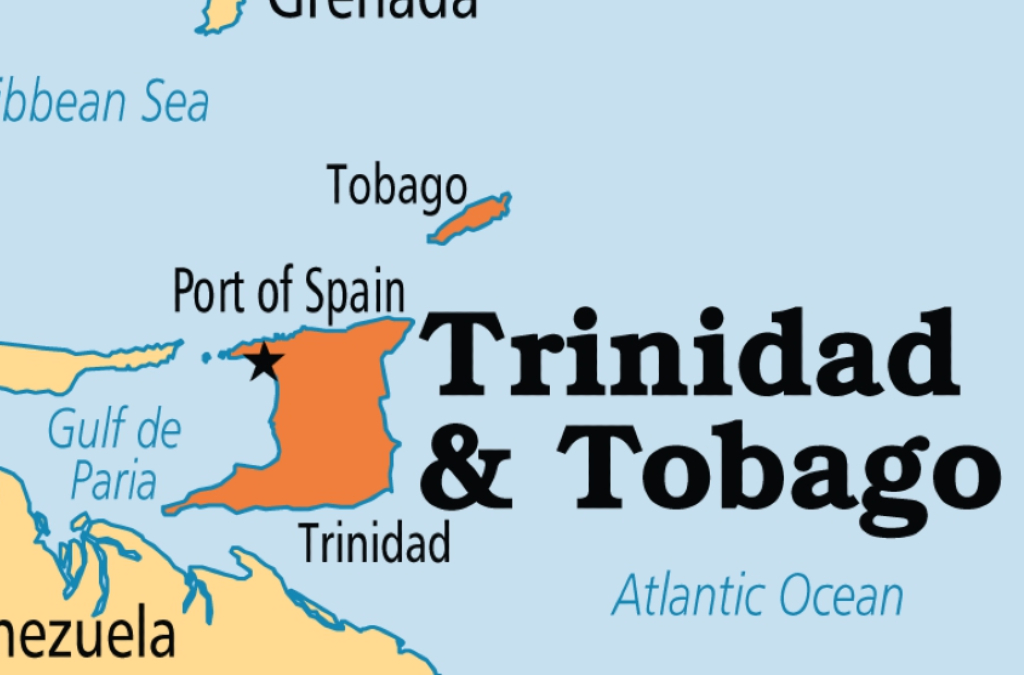
Trinidad & Tobago’s strategic geographical location serves as a critical gateway between North and South America, making it an ideal hub for manufacturing and logistics operations. This advantage is augmented by the nation’s well-developed infrastructure, skilled workforce, and a forward-thinking governmental policy geared towards fostering a business-friendly environment. These elements converge to create an ecosystem ripe for investment, innovation, and sustainable economic growth.
Furthermore, Trinidad & Tobago’s commitment to embracing advanced technologies and sustainable practices places it at the forefront of the green industrial revolution. Investments in renewable energy, digital transformation, and eco-friendly manufacturing processes illustrate the nation’s dedication to a future that is not only economically prosperous but also environmentally responsible.
This transformation extends beyond Trinidad & Tobago, offering a beacon of opportunity for the entire Caribbean region. The emergence of a robust manufacturing and supply chain hub in the heart of the Caribbean has the potential to stimulate regional development, create new job opportunities, and foster an environment of collaborative innovation. It also positions the Caribbean region as a key player in the global economic arena, capable of attracting significant international investment and partnerships.
The Caribbean’s economic metamorphosis
When taking a deeper look into the Caribbean’s economic dynamics, it becomes increasingly clear that the region harbors a wealth of untapped potential, with Trinidad & Tobago poised to play a pivotal role in unlocking it. According to the Global Entrepreneurship Monitor (GEM) report, produced by the GEM Consortium, entrepreneurship is experiencing a significant surge in the Caribbean. This trend is not just a fleeting moment but a clear indication of fertile ground ripe for business development and innovation.
The entrepreneurial spirit, characterized by creativity, resilience, and a forward-thinking mindset, is a potent catalyst for economic growth and innovation. In the Caribbean context, this spirit is not only a source of new business creation but also a driver of social and economic change. Entrepreneurs in the region are increasingly tackling local challenges with innovative solutions, thus contributing to a more vibrant and diverse economic landscape.
Trinidad & Tobago, with its strategic geographical location, acts as a bridge connecting various markets and cultures. This unique position, combined with its dynamic and educated workforce, positions the country as an ideal hub for entrepreneurship and innovation. The nation’s infrastructure, supportive business policies, and a growing focus on technology and digitalization further enhance its appeal as a center for entrepreneurial activity.
Moreover, Trinidad & Tobago’s rich cultural diversity and history of entrepreneurial ventures provide a robust foundation for new business ideas and collaborations. This environment is conducive to fostering a culture of innovation and risk-taking, essential ingredients for entrepreneurial success. By leveraging these assets, Trinidad & Tobago can not only boost its own economic growth but also inspire and lead the wider Caribbean region towards a new era of prosperity and innovation.
In addition, the government’s role in creating a supportive ecosystem for entrepreneurs cannot be overstated. Policies that encourage investment, protect intellectual property, provide access to funding, and offer mentorship and training programs are critical in nurturing the entrepreneurial ecosystem. Such initiatives can help transform the entrepreneurial landscape, making it more inclusive and accessible to a broader range of people, including women and young entrepreneurs.
Galvanizing economic growth through port integration
As I stated earlier, Trinidad & Tobago’s transformative journey is firmly anchored in its strategic location, which holds the key to galvanizing economic growth throughout the Caribbean region. The Caribbean Export Development Agency has underscored the significant potential of port integration as a powerful catalyst for regional development. Such integration could lead to a substantial reduction in import costs across the Caribbean, a region traditionally challenged by high logistics expenses due to fragmented transportation systems.
The geographical layout of the Caribbean, with its myriad of islands, has historically led to logistical complexities. Each island, with its unique port and customs procedures, has contributed to a disjointed and often inefficient shipping and transportation network. This fragmentation has invariably resulted in elevated costs for importing goods, a burden that ultimately affects businesses and consumers alike. Trinidad & Tobago, by virtue of its central location and robust maritime infrastructure, is uniquely positioned to spearhead an initiative to integrate regional ports and streamline the trade process.
The integration of ports across the Caribbean holds immense promise beyond just enhancing logistical efficiency. It paves the way for deeper regional cooperation and economic integration. By harmonizing customs procedures and standardizing port operations, the region can achieve economies of scale, making it more attractive for international trade and investment. This harmonization can lead to quicker, more streamlined trade routes, reducing delays and lowering costs for importers and exporters.
Moreover, Trinidad & Tobago’s leadership in this endeavor could serve as a model for regional collaboration. It would demonstrate the power of collective action in overcoming shared challenges, setting a precedent for future collaborative projects within the Caribbean. The integrated port system could also become a platform for sharing best practices in port management, environmental sustainability, and technological innovation, further enhancing the competitiveness of Caribbean ports on the global stage.
Beyond economic benefits, port integration can also have a positive social impact. Lower import costs can lead to reduced prices for essential goods, improving living standards across the region. Additionally, a more efficient shipping network can lead to increased employment opportunities in logistics, port management, and related industries, contributing to job creation and economic diversification.
Trinidad & Tobago’s commitment to port integration and regional cooperation represents a strategic step towards reshaping the Caribbean’s economic landscape. By leading this initiative, Trinidad & Tobago not only stands to enhance its own economic prospects but also plays a pivotal role in driving sustainable economic growth, increased efficiency, and enhanced regional integration across the Caribbean. This visionary approach has the potential to transform the region into a more cohesive, competitive, and prosperous economic bloc.
Powering the transition: Renewable energy and nearshoring opportunities
The energy transition is indeed a pivotal aspect of the Caribbean’s transformation journey, with Trinidad & Tobago playing a leading role. The report by the Atlantic Council has provided a comprehensive roadmap for the Caribbean’s shift towards renewable energy sources, emphasizing the critical role of this transition in sustainable development. Trinidad & Tobago’s commitment to renewable energy is not just about reducing its carbon footprint but also about enhancing its attractiveness as a sustainable manufacturing hub.
The Caribbean region is blessed with an abundance of renewable energy resources, including wind, solar, and hydroelectric power. These natural resources present an opportunity for Trinidad & Tobago to significantly reduce its reliance on fossil fuels. The shift towards renewable energy is not only environmentally responsible but also economically strategic, providing a stable and potentially less expensive source of energy. This transition is especially relevant for Trinidad & Tobago, given its potential to become the leading manufacturing and supply chain hub in the region.
Harnessing these renewable resources could also revolutionize the country’s energy sector. Wind and solar energy are viable options due to the country’s climatic conditions. The implementation of wind farms and solar panels would provide a steady supply of clean energy, essential for both existing industries and future investments. Hydroelectric power, while more location-dependent, also offers a sustainable energy source that can be tapped into where feasible.
The move towards renewable energy is not only a local imperative but also aligns with global trends towards sustainability. In the context of global supply chains, there is a growing demand for partners who are not only efficient and reliable but also environmentally conscious. Trinidad & Tobago’s investment in renewable energy thus positions it favorably in the global market. Businesses around the world are increasingly seeking to align with partners that demonstrate a commitment to sustainable practices, and Trinidad & Tobago can meet this demand.
Furthermore, according to global specialist risk consultancy, Control Risks, Trinidad & Tobago’s dual investment opportunities in renewable energy and nearshoring are gaining international recognition. The nation’s commitment to clean energy aligns with the global shift towards sustainability, attracting forward-thinking businesses seeking environmentally responsible supply chain partners.
Nearshoring, the practice of moving manufacturing and production operations closer to the end markets, is gaining momentum as companies seek to reduce supply chain risks and improve agility. Trinidad & Tobago’s strategic location, combined with its strong infrastructure, positions it as an ideal nearshoring destination.
By investing in renewable energy and embracing nearshoring, Trinidad & Tobago can create a synergy that not only reduces operational costs but also sets a trend for environmentally conscious manufacturing in the Caribbean.
Therefore, the adoption of renewable energy technologies can spur job creation and skill development within the country. The renewable energy sector requires a range of skills, from engineering and installation to maintenance and management. This creates new opportunities for employment and training, contributing to the country’s overall economic development.
Unleashing Trinidad & Tobago’s competitive edge
The Caribbean Development Bank has acknowledged the critical need to enhance Trinidad & Tobago’s competitiveness in the global marketplace. This recognition is a testament to the importance of the country’s role in the regional economy and its potential on the international stage. In response, Trinidad & Tobago has been proactively investing in its supply chain infrastructure, which is a vital move in solidifying its position as a prime candidate for the title of the Manufacturing and Supply Chain Hub in the Caribbean.
One of the key factors in Trinidad & Tobago’s favor is its strategic geographic location. Situated between North and South America, the country is ideally positioned as a gateway for businesses looking to establish a foothold in the Caribbean while also accessing global markets. This unique positioning offers significant advantages for international trade and logistics. The proximity to both continents means that Trinidad & Tobago can serve as a critical junction point for trade routes, connecting the Americas with Europe, Africa, and beyond.
The nation’s connectivity is a crucial element of its infrastructure investment. With well-developed maritime and aviation sectors, Trinidad & Tobago ensures efficient access to major international trade routes. In addition, the country’s ports and harbors are being upgraded to handle increased cargo volumes and to accommodate larger vessels, thereby reducing shipping costs and transit times. Similarly, the expansion and modernization of airports in Trinidad & Tobago enhanced its capacity to handle air cargo, making it a more attractive location for businesses that rely on air freight for their supply chain needs.
These developments in transportation infrastructure are complemented by investments in digital infrastructure and technology. The adoption of advanced technologies in logistics and supply chain management, such as blockchain for tracking and AI for predictive analysis, can significantly increase efficiency and transparency. This technological advancement positions Trinidad & Tobago as not just a physical hub but also a digital one, capable of managing complex supply chains with precision and reliability.
Moreover, Trinidad & Tobago’s investment in supply chain infrastructure is not limited to physical and technological enhancements. The country is also focusing on building a skilled workforce capable of managing and operating these advanced systems. Investment in education and training, particularly in areas related to logistics and supply chain management, ensures that the country has the human resources required to operate a modern and efficient hub.
Therefore, Trinidad & Tobago’s strategic location, coupled with significant investments in both physical and digital supply chain infrastructure, positions it strongly to claim the title of the Manufacturing and Supply Chain Hub of the Caribbean. These efforts, recognized and supported by entities like the Caribbean Development Bank, not only enhance Trinidad & Tobago’s competitiveness in the global marketplace but also contribute to the broader economic development of the Caribbean region. By becoming a key node in international trade, Trinidad & Tobago can drive economic growth, create jobs, and foster a more integrated and prosperous Caribbean.
Examining Trinidad & Tobago’s investment climate and manufacturing landscape
Investors exploring opportunities in Trinidad & Tobago will find an environment conducive to business growth and development. The U.S. Department of State’s Investment Climate Statement for 2023 sheds light on several key aspects that make Trinidad & Tobago an attractive destination for business investments. The nation’s ongoing commitment to economic growth, stability, and a pro-business climate position it favorably in the eyes of global investors.
One of the critical elements of Trinidad & Tobago’s appeal is its transparent and investor-friendly regulatory framework. The government has made concerted efforts to streamline business processes, reduce bureaucratic hurdles, and create a regulatory environment that is conducive to business growth. This approach not only simplifies the process of setting up and operating a business in Trinidad & Tobago but also builds confidence among investors about the predictability and fairness of the business environment.
In addition to a favorable regulatory framework, the government of Trinidad & Tobago actively encourages foreign direct investment (FDI). This encouragement is manifested in various forms, including offering incentives such as tax breaks, grants, and assistance in navigating the regulatory landscape. These incentives are designed to make it easier and more attractive for foreign businesses to establish operations in the country, whether in the form of new ventures or partnerships with local entities.
Moreover, Trinidad & Tobago’s commitment to good governance and adherence to the rule of law plays a significant role in ensuring a stable and predictable business environment. This commitment reduces investment risks associated with political and legal uncertainties, which is a crucial consideration for investors. The nation’s dedication to maintaining a high standard of governance reassures investors that their interests and investments are protected.
Another vital aspect of Trinidad & Tobago’s investment climate is the protection of intellectual property rights. The country has put in place robust laws and enforcement mechanisms to safeguard intellectual property, which is a key concern for businesses, especially those in technology, manufacturing, and creative industries. A strong legal system that upholds contracts and resolves disputes fairly and efficiently further enhances Trinidad & Tobago’s attractiveness as an investment destination.
Finally, according to a comprehensive view of Trinidad & Tobago’s manufacturing landscape by Supply Chain Digital, the nation’s potential to serve as the Caribbean’s manufacturing nucleus is showcased by a manufacturing sector that spans a wide range of industries, from petrochemicals to electronics. With the presence of skilled labor, efficient supply chains, and a business friendly environment, it is no wonder why the country can be seen as an attractive destination for manufacturers.
Moreover, the nation’s commitment to research and development fosters innovation within the manufacturing sector. Collaboration between academia and industry creates a fertile ground for the development of advanced technologies and processes.
Looking towards a future with endless possibilities
Looking to the future, Trinidad & Tobago is on the cusp of a major transformation, with the potential and capability to emerge as the Manufacturing and Supply Chain Hub of the Caribbean. This vision is not merely a distant possibility but a near-term reality, shaped by strategic initiatives and forward-thinking policies.
Trinidad & Tobago’s geographical positioning is a foundational asset in this transformation. Nestled between North and South America, the nation is set to become a pivotal link in the Caribbean and global trade networks. This geographic advantage is being maximized through focused investments in port and supply chain infrastructure. The modernization of port facilities and the integration of cutting-edge logistics technologies are steps towards creating a seamless, efficient, and robust supply chain network.
The shift towards renewable energy is a cornerstone of Trinidad & Tobago’s future-focused strategy. Embracing sustainable energy sources such as solar, wind, and hydroelectric power positions the nation not only as a leader in eco-friendly practices but also as a pioneer in sustainable manufacturing in the Caribbean. This green initiative aligns Trinidad & Tobago with global environmental trends, enhancing its appeal to a new generation of conscientious businesses and investors.
The transformative potential is not just a dream; it is a reality backed by data, strategy, and a relentless commitment to progress. As Trinidad & Tobago takes bold steps towards this vision, the entire Caribbean stands to benefit from the trailblazing spirit of this innovative nation.
In a world where innovation and progress are the keys to success, Trinidad & Tobago’s role as the Manufacturing and Supply Chain Hub of the Caribbean is not just a possibility but a necessity. By leveraging its strategic advantages, embracing renewable energy, and investing in logistics and technology, Trinidad & Tobago is not only securing its own economic future but also pioneering a new era of prosperity for the entire Caribbean region. It’s a vision that is innovative, revolutionary, and trailblazing, and one that holds immense promise for the future.
