
Opinion
The State of ICT in Black Societies
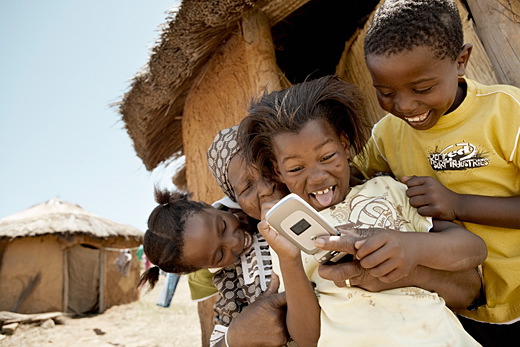
By Emmanuel Musaazi
According to the World Bank Group’s 2012 – 2015 strategy for the Information and Communication Technology (ICT) sector, new developments in telecommunications, in e-commerce and basic exchange of ideas can help reduce poverty, boost economic growth and improve accountability and governance. In simple terms, the world will only do better if it is ensconced in mobile phone applications, in Internet attributes like Twitter and Facebook and a myriad of other fascinating things.
It is even more exciting to see, first, how these aspects will propel African countries towards effective and efficient delivery of basic services. Secondly, if ICT can drive innovation and productivity in the West, surely it can perform miracles in Africa. And lastly, we await with bated breath for ICT’s potential to positively influence how Black Society competes on an international stage that operates in terabytes while many are, ostensibly, still dialing up in kilobytes!
But there are too many shoots of green sprouting everywhere. According to Jon Evans of TechCrunch.com, the current estimated smartphone penetration in Africa ranges from 3 percent to 17 percent. Evans is even more sanguine with his predictions by arguing that in 5 years, most Africans will have a smart phone.
Yes … In 5 years, the reality of 4G and other Gs could hit our illiterate and subsistence farming grandparents in the face. My colleague Dennis Matanda attended a bloggers’ conference in New York the other day and some Africans were even claiming that the 4G service in Masindi, Uganda Africa beats the crap out of the one found in North America!
Embellishments and excitement aside, ICT is the 21st century’s parallel to the discovery of fire; to the Industrial Revolution and is probably the best thing since sliced bread! ICT is the 21st century’s development phenomenon and we are in the middle of the information age characterized mainly by the very fast transmission of vast amounts of information through computers, the Internet and other technologies.
Almost every facet of the human endeavor is impacted by technology – from mundane applications such as sending a letter [now called ’email’ or ‘texting’] to high-end applications such as running the electronic payments of the Stock Exchange. ICT is even used to wage modern war fare. Unmanned military drones are rife in the age of Obama’s America and increasingly, small, medium to large scale industries are being driven by ICT infrastructure.
But what about The Black World? Again, there are more green shoots. In the United Nation’s estimation, if governments and their public sectors can deploy ICT to improve knowledge, then the world’s citizens will benefit in more ways than one.
