
Opinion
The Ports That Define the Horn of Africa’s Strategic Power

By Dishant Shah
Few regions wield as much geopolitical influence per square mile of coastline as the Horn of Africa.
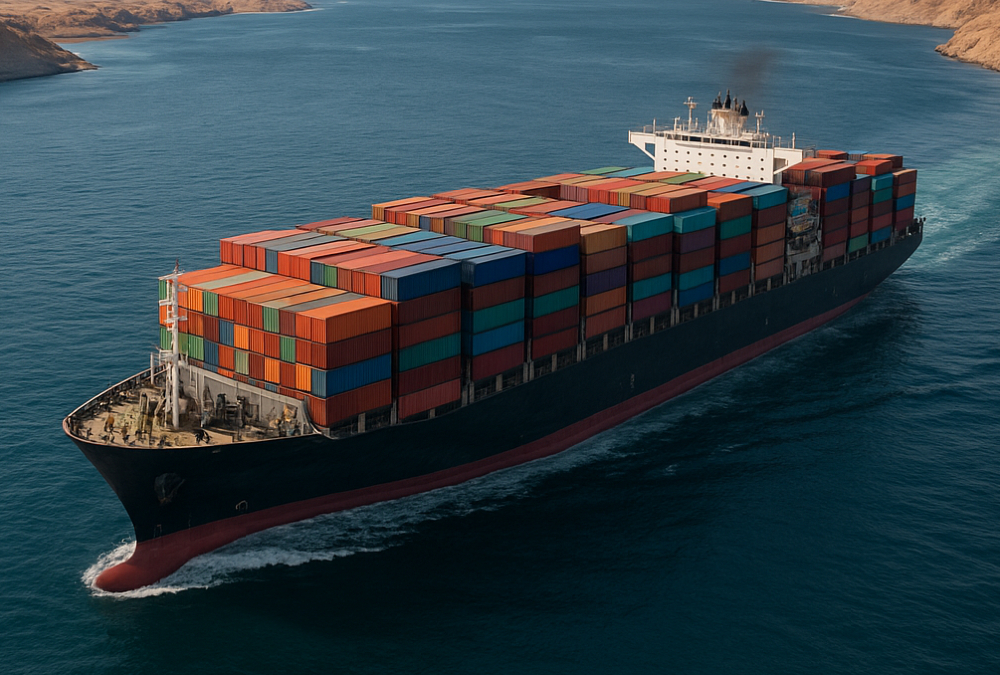
Stretching from Sudan and Eritrea through Somalia to Kenya, this strategic corridor forms the critical maritime gateway between the Mediterranean Sea and the Indian Ocean via the Bab el-Mandeb Strait – one of the world’s most vital chokepoints. Nearly 10% of global maritime trade, including a significant share of the world’s oil and containerized goods, flows through this narrow passage annually.
At the epicenter of this high-stakes geography sits Djibouti – a nation with no oil, no major mineral wealth, yet unmatched strategic value. Its deep-water ports serve as the lifeline for landlocked Ethiopia, handling over 95 percent of its trade.
Simultaneously, Djibouti hosts military installations from global powers including the United States, China, France, and others – making it a rare convergence point of competing geopolitical interests on African soil.
In Djibouti, geography isn’t just destiny – it’s currency.
A Shifting Maritime Balance
Yet the region’s maritime landscape is rapidly evolving. To the south, Kenya’s Port of Mombasa and Tanzania’s Dar es Salaam are undergoing ambitious expansions, bolstered by infrastructure megaprojects like Kenya’s LAPSSET Corridor and the long-anticipated Bagamoyo Port.
These developments are not only enhancing East Africa’s trade capacity but also offering alternatives to the Djibouti-Ethiopia corridor, potentially easing regional reliance on a single maritime bottleneck.
But opportunity comes with volatility. The Red Sea and Gulf of Aden remain flashpoints of instability.
Resurgent piracy off Somalia’s coast, Houthi militant activity near Yemen, and recurring political unrest across the Horn pose persistent threats to one of the world’s busiest shipping lanes. Disruptions here send immediate shockwaves through global supply chains – spiking fuel costs in Europe, delaying manufacturing inputs in Asia, and inflating consumer prices worldwide.
More than mere conduits for cargo, the ports of the Horn of Africa have become arenas of 21st-century power projection. In this volatile nexus, control over a dockyard can be as consequential as control over a battlefield.
As global competition intensifies and climate change reshapes trade routes, the Horn’s coastline will only grow in strategic importance.
In the calculus of international influence, few assets rival a well-positioned port – and in the Horn of Africa, location is power.
Dishant Shah is a partner at Legion Exim, a company specializing in facilitating the export of high-quality engineering products directly sourced from manufacturers in India to Africa. His areas of expertise include new business development and business management.
