
Opinion
The Future of Africa’s Industrialization: A Call for Homegrown Ownership
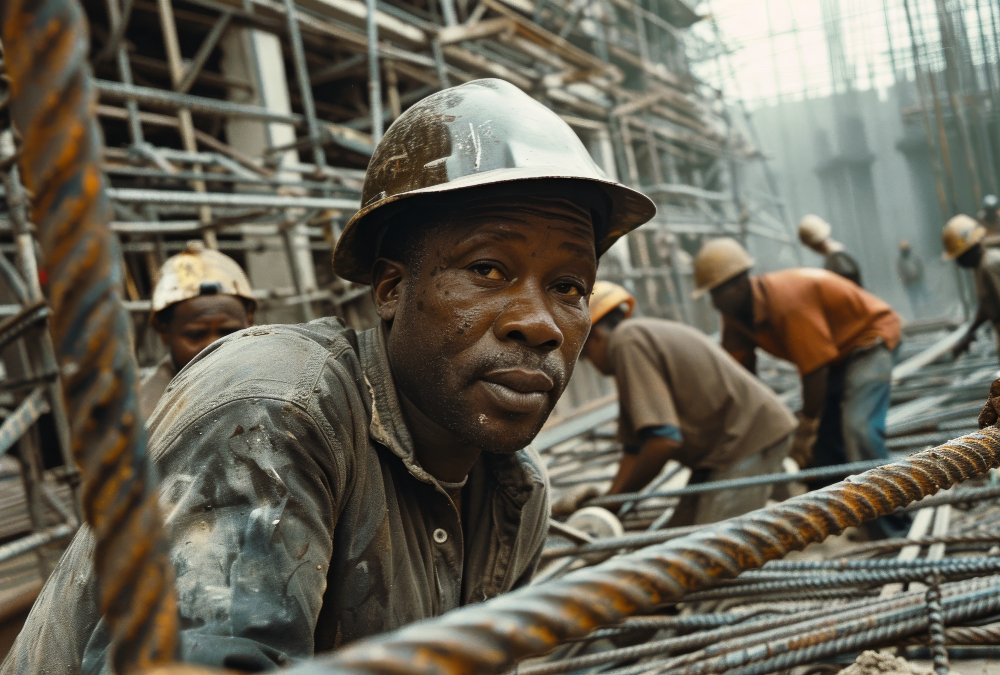

By JP Følsgaard Bak
Will Africa’s industrialization be driven by African ownership and leadership, or will it follow the familiar narrative of foreign investors taking the lead?
To ensure a prosperous and self-reliant future, my recommendation is clear and achievable: prioritize local ownership and control while embracing foreign partnerships solely for the transfer of technology and expertise.
A Call for African Ownership
Africa must retain ownership and control of its industries. The necessary funding already exists – either domestically or through partnerships with leading financial institutions.
Coordination of this initiative could be effectively managed by the African Union (AU) to ensure a unified approach.
Learning from History
After centuries of colonization, many African nations transitioned from foreign political rule to foreign economic control. While this shift may appear more amicable, it remains a significant infringement on Africa’s right to fully benefit from its own natural resources.
This continued reliance on foreign dominance has hindered the continent’s ability to achieve the wealth and progress anticipated post-liberation. Now is the time to prioritize industrialization on Africa’s terms, ensuring local ownership and financing through public funds, private investment, and contributions from the African diaspora.
Why Now?
The timing is ripe. The world’s focus is currently divided by geopolitical tensions among superpowers, including the United States, Europe, and BRICS.
Meanwhile, Africa is emerging as the world’s next major consumer market, attracting attention from global players eager to secure their stakes. This moment of global distraction offers Africa a strategic opportunity to accelerate its industrialization efforts while maintaining control over its resources and industries.
How to Kickstart Industrialization
A practical way forward is through the establishment of Special Purpose Vehicles (SPVs). These platforms enable foreign partnerships while ensuring local businesses maintain majority ownership.
Foreign stakeholders could be minority partners, contributing valuable technology and logistical expertise.
Africa’s industrialization must be homegrown, driven by the ingenuity, resources, and determination of its people.
For large-scale infrastructure projects and other capital-intensive investments, international financial institutions can provide grants or loans under favorable terms. However, for smaller startups and mid-sized ventures, funding should primarily come from local government sources, private sector investments, or the African diaspora.
While this approach may result in slower growth compared to foreign-led projects, the long-term benefits of organic, locally driven industrial growth outweigh the drawbacks.
The Role of International Institutions
It is my hope that organizations such as the World Bank will champion this model, supporting capacity building with grants or loans designed to promote sustainable development. These efforts must be aligned with Africa’s vision of self-reliance, ensuring local ownership and control.
Standing Firm Against Resistance
Transitioning to this new model will require time, effort, and resilience. Major international players may resist, favoring the status quo of foreign investment dominance.
However, if Africa remains steadfast, the world will eventually recognize and respect the continent’s commitment to self-determination.
A Vision for the Future
Africa’s industrialization must be homegrown, driven by the ingenuity, resources, and determination of its people. Let this mission of self-reliance and local ownership define the future of Africa – a future where the continent thrives on its terms, for the benefit of its people.
JP Følsgaard Bak, Esq., a former lawyer, is a dedicated international social entrepreneur and serial entrepreneur. He co-founded several technology companies, including EMX Group (a biomedical microchip manufacturer in California), Sûrtab S.A. (a tablet PC manufacturer in Haiti), and Bak USA. Currently, he serves as Chairman of Industry Five Group, with operations in the USA, Denmark, Uganda, Nigeria, Gabon, and Ethiopia.
