
Opinion
The Democratic Republic of Congo: A Paradox of Wealth and Poverty

By Dishant Shah
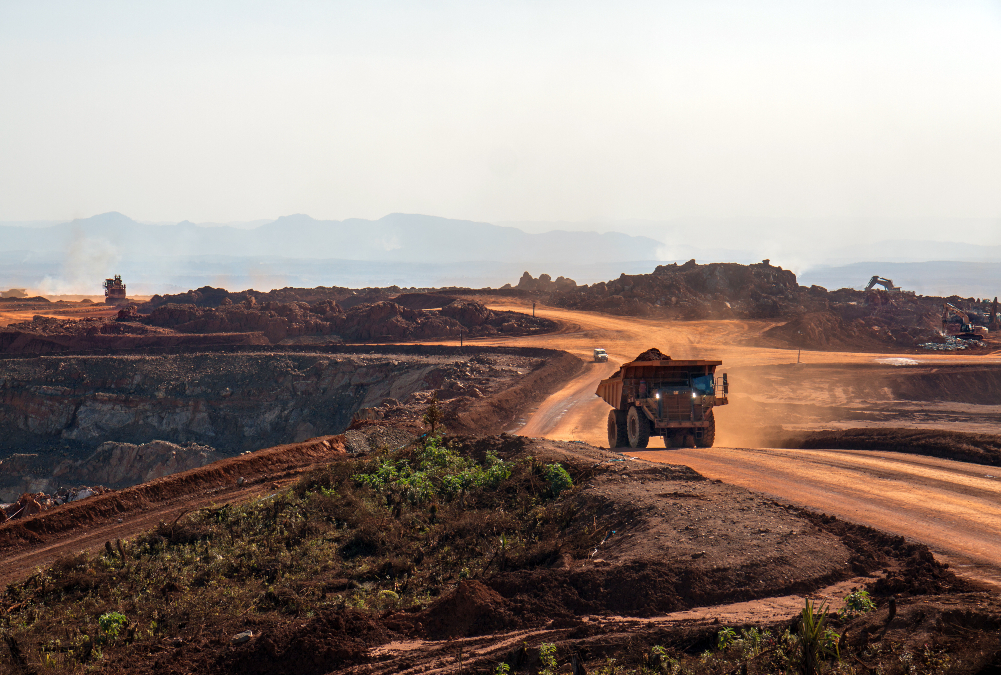
The Democratic Republic of Congo ( DR Congo) is one of the most paradoxical places on Earth. Beneath its soil lies an estimated US$24 trillion in untapped mineral wealth – cobalt, copper, gold, diamonds, coltan, and tin.
These are the very resources that power our smartphones, laptops, electric vehicles, and renewable energy systems.
Chances are, nearly every electronic device you own contains materials sourced from the Congo.
Yet, despite this immense natural wealth, the average Congolese citizen earns just around US$400 per year.
How does a country so rich in resources remain so poor?
The answer is as complex as the region itself – a tangled legacy of colonialism, exploitation, internal conflict, weak governance, and a global economic system that rarely benefits the countries where these resources originate.
The Cost of Cobalt: Exploitation in the Supply Chain
Take cobalt, for example. The DR Congo produces more than 70 percent of the world’s supply of this critical metal, essential for lithium-ion batteries.
Yet much of the mining occurs in informal, unregulated artisanal pits, where children and adults risk their lives working up to 18 hours a day for as little as US$1 to US$2. Meanwhile, multinational corporations reap billions in profits further up the value chain.
According to a report by the United Nations Conference on Trade and Development (UNCTAD), Africa captures only about 40 percent of the value from its exports, with the remaining 60 percent lost to processing, manufacturing, and distribution that occur outside the continent.
This isn’t just a problem unique to the DR Congo – it’s a pattern repeated across many resource-rich African nations.
And yet, the global narrative continues to focus more on “aid to Africa” than on what is extracted from it.
Beyond Extraction: A Path Toward Economic Justice
The issue is not simply conflict or corruption – it’s a systemic imbalance that keeps local economies dependent on raw material extraction while shipping both value and sovereignty abroad.
What if those minerals stayed in Africa to be refined and manufactured locally?
What if the DR Congo produced its own batteries instead of merely supplying the raw materials?
What if local workers – not just foreign firms – owned a stake in the mines?
This isn’t about charity. It’s about economic justice. It’s about shifting from extraction to empowerment.
And it’s about challenging the outdated framework that sees African countries as mere sources of raw materials rather than potential hubs of innovation and value creation.
The DR Congo is a mirror reflecting one of the starkest imbalances in the global economy. It has the resources to fuel the 21st century – but still struggles to meet the basic needs of its people.
We all use devices powered by Congolese minerals. So perhaps the real question we should be asking is: Who truly benefits from Africa’s wealth?
Dishant Shah is a partner at Legion Exim, a company specializing in facilitating the export of high-quality engineering products directly sourced from manufacturers in India to Africa. His areas of expertise include new business development and business management.
