
Opinion
Oil and Gas in the Caribbean
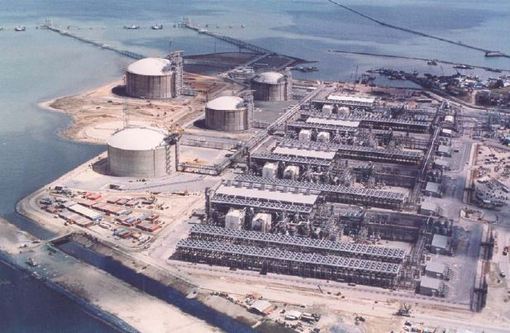
Some may say this is far-fetched as the US and other nations are beginning to supply an ever greater amount of their energy needs from shale gas and there is the high probability that there are huge quantities of oil and gas beneath the pristine wastes of the Canadian Arctic. However, the pace at which an ever increasing number of global oil corporations have begun actively to invest huge sums in prospecting for oil and gas in the Caribbean Basin suggests that before long more than one Caribbean nation will become an oil or gas producer.
As matters stand there is oil exploration underway, planned or licensing being considered in blocks off the coasts of French Guiana; Suriname; Guyana; Belize; Barbados; the Bahamas, Cuba, Jamaica; and Grenada and it seems in other islands in the Windward chain.
If there is a significant find, and it remains an if as only last week Spain’s Repsol announced that its exploratory well of Cuba’s north coast was dry, the Caribbean will be faced with a range of issues that no regional nation other than Trinidad has faced.
Finding oil is challenging especially for small economies with small populations. It raises questions about security, stability, governance, accountability, the control of corruption and the management of rapid change. It also requires new forms of macro-economic management, a tough and independent regulatory environment and the creation of well managed sovereign wealth funds or the like to invest wisely for a nation’s future. It also challenges every politician’s relationship to their electorate in respect of the equitable distribution of such wealth through to the provision of social programmes and the management of taxation.
For this reason, if oil in substantial quantities were to be found in one or another of the countries above, they would be wise to study closely for best (or worst) practice the experience of countries or regions as diverse as Norway, Ghana, Alaska, or Nigeria.
For the Caribbean there are also important issues relating to the environment and tourism. As the Bahamas is finding, there is a need before agreeing to exploration to reconcile, ideally through an independent and respected national body, the conflicting interests of tourism, the environment and an industry which while essentially safe, will always carry with it recognised risks.
Other issues arise as well. As some governments like Jamaica and Cuba have already realised, the appearance of an oil industry, even nearby, offers much broader economic opportunity through the huge secondary economic demand the oil sector creates for offshore services, storage and transhipment, let alone, if the size of the find is big enough, refining and downstream industries.
