
Opinion
Kente: Ghana’s Cultural Heritage Becomes Intellectual Property

By David Coleman
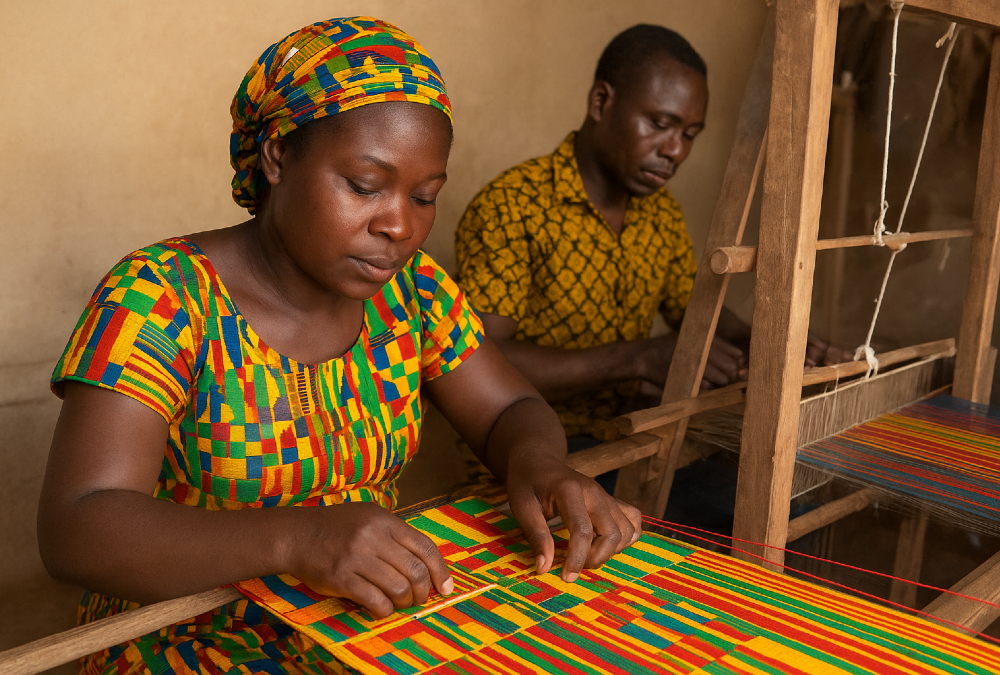
In a landmark move that reverberates far beyond West Africa, Ghana has secured Geographical Indication (GI) status for Kente cloth – its first such designation and a historic first for the continent. Like Champagne from France or Scotch whisky from Scotland, Kente is now legally recognized not merely as a textile, but as a cultural asset intrinsically tied to its place of origin, its people, and its centuries-old traditions.
This is more than symbolic. It is strategic.
For too long, African cultural expressions have been treated as open-source inspiration – freely borrowed, commodified, and often stripped of context by global fashion houses and digital platforms. Kente’s GI status marks a decisive pivot: from admiration without attribution to ownership with authority.
It transforms culture from passive “content” into protected capital.
From Symbol to Strategy: The Power of Legal Recognition
But legal recognition alone is not victory – it is the starting line.
Kente’s designation should ignite a continent-wide awakening. Imagine African heads of state donning authentic Kente at regional summits – not as costume, but as a declaration of shared intent to safeguard indigenous knowledge systems.
Let this moment spur every nation to inventory, document, and legally protect its own cultural IP – from Adinkra symbols to Tuareg silverwork, from Ethiopian coffee ceremonies to Yoruba indigo dyeing.
To creatives across Africa: register your work early. Protect your patterns, your rhythms, your recipes – not after they go viral, but from the moment they are born.
Intellectual property is not a Western construct; it is a tool of sovereignty.
To governments: protection without quality control is hollow. GI status demands rigorous standards – of materials, methods, and authenticity.
Excellence must be the price of entry. Otherwise, we trade exploitation for erosion.
Culture as Infrastructure, Not Nostalgia
We often equate innovation solely with invention. But in Africa, innovation must begin with preservation.
When heritage is legally shielded, creativity flourishes with confidence. When ownership is respected, global collaborations become equitable, not extractive.
And when the world pays not just homage but royalties, our artisans can thrive – not just survive.
Kente’s GI milestone is more than a win for Ghana. It is a blueprint.
It proves that culture, when defended, becomes economic infrastructure. That ancestral knowledge, when codified, fuels sustainable development.
And that Africa’s greatest exports need not be raw materials – but refined, protected expressions of identity.
This is the dawn of a new cultural economy – one where Africa doesn’t just inspire the world, but sets the terms. Where we stop giving endlessly and start guarding wisely.
May Ghana’s triumph be the spark that lights a continental movement. Because when culture is capital, the future belongs to those who protect it.
Special thanks to Sefa Ewurama for championing this cause and sharing the announcement.
David Coleman is a seasoned marketing leader with over two decades of experience driving growth at the nexus of brand strategy, platform innovation, and customer success. With a proven track record in repositioning brands, reengineering business processes, and expanding markets through data-driven strategy and creative execution, he is known for his strategic vision and ability to lead teams to peak performance. Passionate about local insight and cultural relevance, Coleman champions solutions that empower impactful, homegrown enterprises – particularly across Africa. He remains deeply engaged in uncovering overlooked narratives that shape businesses and economies on the continent, informing smarter and more contextually grounded strategies.
