
Opinion
Ghana-Burkina Faso Railway Deal: A 950km Lifeline to Unlock West Africa’s Trade Potential
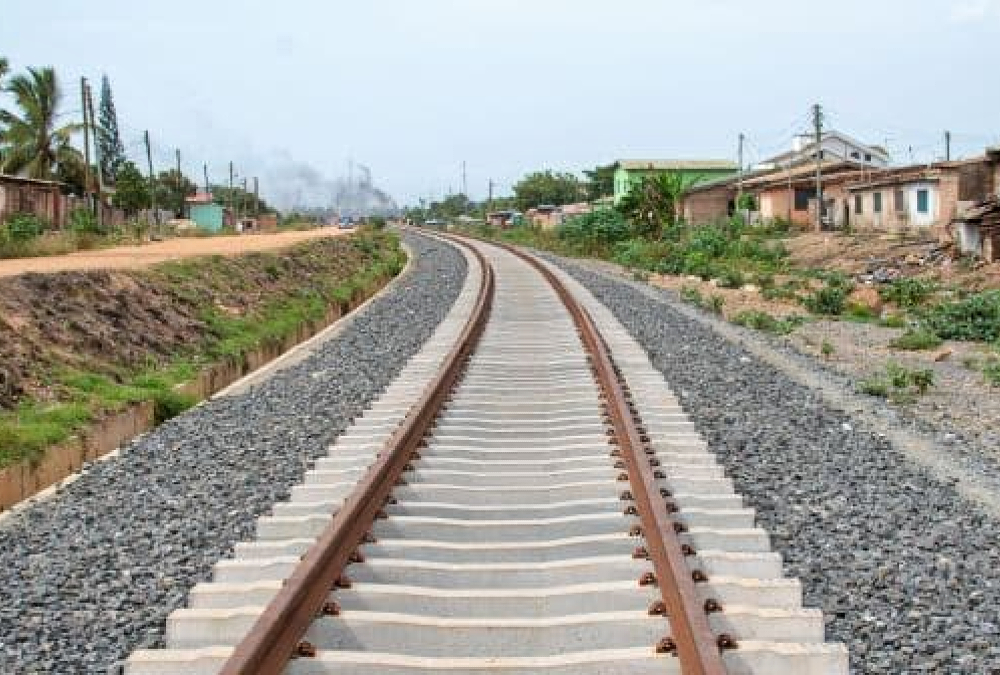

By Ziad Hamoui
In a landmark move for regional integration, Ghana and Burkina Faso signed a pivotal railway cooperation agreement last Thursday in Accra, setting the stage for a transformative 950-kilometer (590-mile) rail corridor linking the bustling Port of Tema to the heart of Ouagadougou. This ambitious infrastructure project marks more than a bilateral achievement – it is a strategic leap toward dismantling the logistical barriers that have long hindered economic growth across West Africa’s landlocked nations.
The agreement builds on Burkina Faso’s existing US$70 million investment in the Tema Inland Container Depot, underscoring a shared commitment to enhancing cross-border trade efficiency. More than just steel and sleepers, this corridor is poised to become the backbone of a new era in regional connectivity – one where cost, reliability, and security in freight transport are no longer afterthoughts.
Breaking Barriers: A Direct Response to Landlocked Trade Challenges
From the vantage point of regional economic integration, this rail initiative is a direct response to the non-tariff barriers that continue to strangle intra-African trade. Despite the African Continental Free Trade Area (AfCFTA) promising a unified market, progress has been hamstrung by fragmented transport networks and overreliance on aging road systems.
The Ghana-Burkina Faso railway offers a tangible solution: a high-capacity, low-cost transit route that could slash logistics expenses by up to 40 percent, according to preliminary feasibility studies.
For landlocked economies like Burkina Faso, Mali, and Niger, the implications are profound. Today, these nations face steep freight costs and unpredictable delivery times due to poor road conditions, border delays, and security risks.
A direct rail link to one of West Africa’s deepest and most modern seaports transforms supply chain dynamics, enabling businesses to scale production, access global markets, and compete on a continental stage.
“This isn’t just about moving goods – it’s about moving economies,” said a senior transport official at the signing ceremony. “This corridor will catalyze industrial growth, attract foreign investment, and position Ghana as a trusted logistics gateway for the Sahel.”
A Catalyst for Regional Integration and ECOWAS Ambitions
Indeed, the project aligns seamlessly with ECOWAS’ broader vision of integrated regional infrastructure. By establishing Ghana as a reliable transit hub, the railway strengthens cross-border cooperation and sets a precedent for future multi-country corridors – from Lomé to Niamey, or Abidjan to Bamako.
But beyond economics, this deal carries symbolic weight. It reflects a growing momentum among West African nations to take ownership of their development agenda.
Instead of waiting for external donors, countries are forging south-south partnerships, pooling resources, and prioritizing projects that deliver tangible benefits to their citizens.
Challenges remain, of course. Financing the full build-out, ensuring environmental sustainability, and harmonizing customs procedures across borders will require sustained political will and technical coordination.
Yet the foundation is now set. With feasibility studies underway and regional backing solidifying, the Tema-Ouagadougou line could see initial operations within five years.
Building the Physical Architecture of a United West Africa
As Africa strives to unlock its US$3.4 trillion economic potential under AfCFTA, infrastructure like this railway isn’t a luxury – it’s a necessity. The Ghana-Burkina Faso pact proves that when nations collaborate with vision and urgency, they don’t just build railways.
They build resilience, opportunity, and a more integrated future.
The 950 kilometer (590 mile) Ghana-Burkina Faso railway is more than a transport project – it’s a blueprint for turning landlocked constraints into land-linked advantage. In connecting ports to hinterlands, it connects people to prosperity.
Ziad Hamoui is the Co-Founder and Past President of the Borderless Alliance, a leading private-sector advocacy group promoting economic integration and removing trade and transport barriers in West Africa. With extensive experience in Ghana’s road transport, logistics, and shipping sectors, he currently serves as Executive Director of Tarzan Enterprise Ltd., a long-established family business. He is Co-Chair of the Africa Food Trade Coalition, Co-Founder of the Trade Facilitation Coalition for Ghana, and serves on multiple high-level advisory committees on trade, transport, agriculture, and security. A Chartered Fellow of the Chartered Institute of Logistics and Transport (CILT) Ghana, he is also a former member of its Governing Council.
