
Opinion
Expanding Horizons: Investment Opportunities for African Development Finance Institutions and Banks in the Caribbean and Latin America

By Ryan Elcock
With today’s global economy and geopolitical landscape, marked by shifting power dynamics, there is a need for economic certainty and resilience. Although the looming economic crisis has many countries on edge; the Global South, particularly Africa, Latin America, and the Caribbean, finds itself presented with unique opportunities for growth and development.
To capitalize on these prospects, it is crucial for these regions to collaborate and forge strategic partnerships. In this context, African Development Finance Institutions (DFIs) stand at the forefront to serve as the catalyst, driving cross-continental cooperation and unlocking new avenues for investment and sustainable development.
With the implementation of the African Continental Free Trade Area (AfCFTA) and the African Union’s recognition of the Diaspora as the Sixth Region, importance of regional cooperation and diaspora ties is underscored as these initiatives align with the potential offered by Latin America and the Caribbean; regions with which Africa shares economic, cultural, and historical ties.
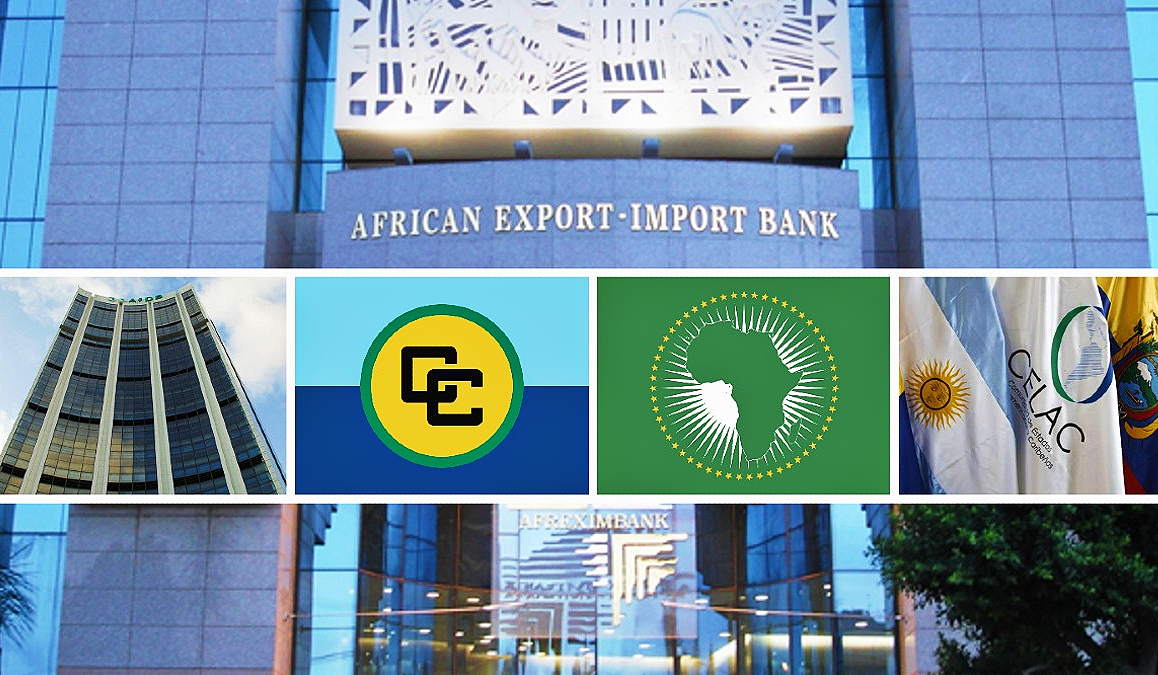
The strategic partnership between the African Development and the Caribbean Development Banks, along with Afreximbank’s establishment of its Caribbean headquarters in Barbados, exemplify the growing Africa-Caribbean trade relations. Investment in these regions can catalyze economic growth and development on both continents, fostering innovation, job creation, and sustainable development.
Several key sectors in Latin America and the Caribbean offer promising investment opportunities for African DFIs and banks such as healthcare, fintech, agriculture, green tech, supply chain, and economic development. These sectors present unique possibilities for collaboration and growth in which strategic investment and cross-continental cooperation can pave the way for greater economic integration and shared prosperity among Africa, Latin America, and the Caribbean.
Healthcare
Investing in the healthcare sector in Latin America and the Caribbean holds immense promise for mutual benefit and collaborative advancement. This sector encompasses a wide array of activities, including infrastructure development, medical research, and pharmaceutical manufacturing, offering opportunities for significant innovation and progress.
African Development Finance Institutions (DFIs) and banks can play a pivotal role in catalyzing innovation, enhancing access to quality care, and improving public health outcomes by bolstering healthcare capabilities in Latin America and the Caribbean which would potentially benefit Africa.
Securing investment and support from African Development Finance Institutions (DFIs) for collaborative healthcare initiatives between Africa, Latin America, and the Caribbean is crucial for leveraging collective strengths and addressing shared health challenges. These investments can drive innovation, build resilient health systems, and ensure equitable healthcare access. Here’s how African DFIs can play a transformative role in the following areas:
Facilitating the Exchange of Scientific Technologies and Innovations
African DFIs can fund platforms and meetings like those organized by the Pan American Health Organization (PAHO) to foster the exchange of scientific technologies and innovations. By providing financial support for knowledge-sharing forums, African DFIs can facilitate the adaptation and integration of advanced medical technologies across these regions. Investment in technology transfer initiatives not only enhances healthcare delivery but also catalyzes the development of local innovations tailored to regional health needs.
Supporting Joint Research and Disease Preparedness
Investment by African DFIs in joint research and disease preparedness is pivotal for enhancing public health infrastructure. Funding collaborations between entities like PAHO and the World Health Organization (WHO), as well as initiatives such as those between the Coalition for Epidemic Preparedness Innovations (CEPI) and PAHO, can significantly bolster disease surveillance, outbreak response, and vaccine development in Latin America and the Caribbean. African DFIs can provide the necessary capital to support research initiatives and preparedness plans, ensuring these regions are better equipped to manage health crises collaboratively.
Enhancing Healthcare Infrastructure
African DFIs could also play a critical role in funding the development and upgrading of healthcare infrastructure. Investments could support collaborative agreements with organizations like PAHO and the International Hospital Federation (IHF) to strengthen hospital networks and healthcare delivery systems within Latin America and the Caribbean.
By financing the construction and modernization of the region’s healthcare facilities, African DFIs can help improve access to quality care, making healthcare systems more robust and responsive to the needs of the populations. Furthermore, funding could be used to provide cross-regional training and exchange programs between healthcare professionals from Latin America and the Caribbean and Africa.
Promoting Vaccine Manufacturing and Distribution
African DFIs can lead the way in investing in vaccine manufacturing and distribution capacities within these regions. By backing initiatives to establish investment platforms with other multilateral development banks and the WHO, African DFIs would be part of the initiative to drive regional self-sufficiency in vaccine production. Funding local manufacturing facilities not only ensures a more equitable vaccine distribution but also enhances the regions’ resilience to future pandemics.
For example, Cuba’s biotechnology and pharmaceutical industry serves as a model for Latin America and the Caribbean, showcasing the potential for innovation and self-reliance in healthcare. The country’s biotech sector has developed a range of vaccines, drugs, and diagnostic tools, contributing to advancements in healthcare both domestically and internationally. Strategic investment and collaborative partnerships with Cuban biotech firms offer opportunities for technology transfer, joint research projects, and capacity building in vaccine manufacturing and biopharmaceutical production which would not only enhance the region but could also help strengthen Africa’s vaccine production capabilities.
Strategic Importance of African DFIs’ Investment
Investment and support from African DFIs in these collaborative healthcare initiatives are not merely financial contributions but strategic moves to foster regional cooperation, innovation, and sustainable development. These investments:
- Drive Innovation: Catalyze healthcare innovations that can address the unique challenges of these regions.
- Build Resilience: Enhance the capacity of health systems to withstand global health emergencies.
- Promote Equity: Ensure equitable access to healthcare technologies and services.
Therefore, by prioritizing investments in the exchange of scientific technologies and innovations, joint research and disease preparedness, healthcare infrastructure, and vaccine manufacturing and distribution, African DFIs can significantly impact public health outcomes.
Such investments not only strengthen healthcare systems but also forge stronger ties between Africa, Latin America, and the Caribbean, showcasing the transformative power of South-South cooperation in achieving global health goals.
Financial Inclusion and FinTech
Like Africa, the Caribbean region has emerged as a dynamic leader in the fintech sector, pioneering innovative solutions that transcend traditional financial boundaries. Notably, the Barbadian company, Bitt, has been at the forefront of creating digital currencies for central banks and governments around the world.
This trailblazing approach not only revolutionizes local financial landscapes but also extends its impact globally, especially in Africa where there is a concerted effort to adopt digital currencies to bolster financial inclusion and facilitate seamless cross-border transactions, especially within economic blocs like the African Continental Free Trade Area (AfCFTA).
Leveraging Africa’s Fintech Momentum
Africa’s fintech sector is witnessing exponential growth, marked by a surge in global investments and the emergence of vibrant startup ecosystems. This growth positions Africa as a global leader in fintech innovation, with projections indicating it will be the fastest growing fintech region by 2030.
African DFIs can play a crucial role in fostering strategic partnerships between African and Caribbean fintech entities, leveraging this momentum to drive financial inclusion, streamline cross-border transactions, and promote economic growth across both regions. Such partnerships can amplify innovation, offering scalable solutions that address the unique financial challenges faced by communities in both regions.
Barbados: A Fintech and Blockchain Beacon; Driving Digital Transformation in Latin America and the Caribbean
Barbados has strategically positioned itself as a potential fintech and blockchain hub, within Latin America and the Caribbean, by embracing digital transformation and innovation. The nation’s proactive regulatory approach and supportive ecosystem for fintech startups offer a model for other Caribbean and African countries looking to stimulate their fintech sectors.
With potential funding by African DFIs, banks, and collaborative partnerships with African Fintech firms and startups, Barbadian fintech entities could facilitate knowledge exchange; promote the adoption of fintech solutions; explore the development of regulatory frameworks conducive to fintech growth and innovation; and contribute to shaping the digital finance landscape in both Africa, Latin America, and the Caribbean.
Furthermore, we see that current initiatives by multilateral institutions like the World Bank and the Inter-American Development Bank (IDB) to champion digital transformation across Latin America and the Caribbean highlight the importance of leveraging technology to address socioeconomic disparities.
African DFIs can also support similar initiatives, investing in digital education and financial inclusion programs that lay the foundation for leveraging technology to drive inclusive growth. Such investments can catalyze the digital transformation of financial services, making them more accessible and equitable.
Navigating Regulatory Complexity
As stated earlier, the need for harmonizing policy frameworks and regulatory standards, across the complex landscape of fintech regulation, presents challenges and opportunities for fostering innovation while ensuring regulatory compliance within Latin America and the Caribbean.
Financial support from African DFIs can contribute to the harmonization of policy frameworks and regulatory standards across Africa, Latin America, and the Caribbean by drawing on insights from research by institutions like the International Monetary Fund (IMF).
By supporting regulatory alignment, DFIs can facilitate a conducive environment for fintech innovation, fostering cross-regional integrations navigating the regulatory complexities of digital finance.
Supporting Innovation Through Investment and Partnership for Inclusive Growth
The need for more funding by African DFIs in this area, is further supported by the African Development Bank’s commitment to investing in innovation, exemplified by its allocation of US$105 million to Seedstars Africa Ventures; underscoring the potential of strategic investments to drive economic growth and financial inclusion.
Several African DFIs could follow the lead of the African Development Bank (AfDB) by committing to invest in fintech startups and innovative financial solutions that promise to empower communities across Africa, Latin America, and the Caribbean. Such investments can spur economic development, enhance financial accessibility, and foster an ecosystem of innovation and entrepreneurship.
Therefore, by investing in financial inclusion and fintech, African DFIs and banks are offered an unparalleled opportunity to drive inclusive growth and economic empowerment across Africa, Latin America, and the Caribbean while creating new strategic hubs for fintech innovation and creation of digital technology on a global stage.
Agriculture and Food Security: Building Sustainable and Reliable Food Sources
As food insecurity continues to be a global reality, the strategic alignment of boosting the agricultural output to enhance food security in Africa, Latin America, and the Caribbean is not just an opportunity but a necessity to ensure global food security.
These regions, endowed with rich agricultural resources and a commitment to sustainability, stand at the forefront of addressing some of the most pressing global challenges. By providing the necessary investments and enhancing these potential partnerships between the regions, African Development Finance Institutions (DFIs) play a significant role that promises to enhance agricultural resilience, combat hunger, and promote sustainable practices.
Strengthening Agricultural Resilience
Sustainable Agriculture Leadership and Transformative Agriculture Strategies
The initiatives led by Inter-American Institute for Cooperation on Agriculture (IICA) champion sustainable agricultural practices across Latin America and the Caribbean, focusing on soil health, water optimization, and biodiversity preservation. Such initiatives are critical in building agricultural resilience against climate change. With funding for research and investment by African DFIs, support for similar projects across Latin America and the Caribbean, the implementation of sustainable practices can be shared and adapted across continents.
In addition, we also see efforts by World Bank calling for transformative changes in agriculture which underscores the need for comprehensive strategies that address climate variability, population growth, and food systems’ sustainability.
By investing in these transformative strategies, African DFIs provide the necessary financial support for research, sustainable land management, and the empowerment of smallholder farmers. This investment is crucial for advancing agricultural development and ensuring food security in these regions.
Therefore, with the mobilization of capital towards agricultural enterprises and value chains, African DFIs can unlock the agricultural potential of these regions, boost productivity, and improve food security. Investments can target areas such as agri-tech innovations, sustainable farming techniques, and value-added services, offering significant returns both economically and socially.
Combatting Hunger and Inequality and Caribbean Food Security Initiatives
Despite their agricultural potential, Latin America, the Caribbean, and parts of Africa face persistent hunger and inequality which needs to be addressed. According to the Food and Agriculture Organization (FAO), there is need of inclusive development strategies to unlock agricultural potential and eradicate poverty.
African DFIs can allocate funds towards programs that target these disparities, focusing on improving access to markets, financial services, and technology for smallholder farmers, thereby enhancing food security and reducing inequality.
That is why it is important to recognize initiatives like the Barbados-Guyana Food Terminal which demonstrates the potential of regional efforts to enhance food security through strategic partnerships and infrastructure investments.
These initiatives aim to improve food distribution networks and access to nutritious food products. African DFIs can examine and explore current collaborative projects, as a model to provide support and investment in infrastructure and logistics solutions that strengthen food security across Africa, Latin America, and the Caribbean.
Promoting Sustainable Agriculture Through Collaboration
If the prosperity of Africa, Latin America, and the Caribbean is to be ensured for future generations, then collaborative efforts to boost the agriculture sector and enhance food security in these regions are key to a collective journey towards sustainability, resilience.
By leveraging their combined resources, expertise, and innovative solutions, these regions can address complex challenges and build more resilient agricultural systems. This is where African DFIs are uniquely positioned to lead this charge, since they understand the importance of investing in ventures that promise transformative change and a food-secure future.
Through strategic partnerships, regulatory support, and targeted investments, African DFIs can catalyze progress in agricultural development, ensuring that these regions not only meet their current food security needs but also lay the groundwork for long-term sustainability and growth.
Green Tech and Climate Change: Harnessing Sustainable Investment
Of all the global threats threatening the world’s security and stability, climate change’s impact is more far-reaching as it affects every facet of humanity. Faced with this stark reality, Latin America, the Caribbean, and Africa are at a pivotal juncture to harness sustainable investments in green technology and climate resilience.
These investments are not merely environmentally imperative for the preservation of the region; they also offer substantial opportunities for entrepreneurship, job creation, and sustainable development. Considering this fact, African DFIs are poised to play a critical role from bridging finance gaps in climate change investment to fostering collaboration across regions of Africa, Latin America and the Caribbean.
Here’s an analytical and detailed exploration of how African DFIs can support green tech and climate resilience initiatives:
Unlocking Green Investment Potential
Closing the Green Investment Gap
According to the Organization for Economic Co-operation and Development (OECD), development finance institutions play a key role in propelling green investments, particularly in renewable energy and eco-friendly technologies.
That said, African DFIs can emulate this model, leveraging their financial and institutional capacities to support green projects that drive sustainable development across Africa, Latin America, and the Caribbean. Therefore, by providing funding and facilitating investments in these sectors, DFIs can help bridge the existing green investment gaps, accelerating the transition to a sustainable economy.
Green Hydrogen Market
Just like Africa, Latin America and the Caribbean are equally positioned to benefit from strategic collaboration to develop and enhance its burgeoning green hydrogen market. As these regions explore the transition to green hydrogen as a pathway to reduce carbon emissions, African DFIs can play a pivotal role in funding research, development, and infrastructure projects.
Potential collaboration between Africa, Latin America, and the Caribbean not only supports the development of sustainable energy solutions but also positions these regions as leaders in the global shift towards green hydrogen through shared knowledge and best practices. For example, in South America, Chile stands to receive up to US$330 Billion in estimated investment based on its National Green Hydrogen Strategy.
Through joint efforts, and investments by African DFIs, Africa, Latin America and the Caribbean can ensure that their share of the green hydrogen market is significant enough to drive the agenda in this sector going forward.
Urgent Climate Action, Attracting Climate-Friendly Investors and Open Finance for Green Initiatives
According to the IMF, there must be significant emphasis on urgent climate action in response to Latin America and the Caribbean’s climate crisis which underscores the necessity of investments in climate-resilient infrastructure and renewable energy. Given the seriousness of this situation, African DFIs can allocate resources to similar initiatives, focusing on mitigating climate impacts and enhancing resilience in vulnerable regions. By taking such action to invest in projects that bolster climate adaptation and mitigation, African DFIs would be able to make significant contributions towards the safeguarding of the region’s ecosystems and communities against climate risks.
Another benefit of having support of African DFIs to address the climate crisis in Latin America and the Caribbean is that it would help the region overcome the challenge of attracting climate-friendly investors due to regulatory hurdles which leads to limited financing options.
Climate financing from African DFIs can play a transformative role by advocating for and pushing the region’s governments to implement regulatory reforms that encourage green investments from other financing institutions and investors. Furthermore, the potential regulatory reforms that would result in Latin America and the Caribbean’s Green Energy Sector could also be applied and tailored to help create similar reforms in Africa which ensures a win-win scenario for both regions as well as the rest of the world.
Finally, according to the Green Finance Lab, advocacy for open finance to facilitate green investments highlights the importance of financial innovation in achieving sustainability goals. Similarly, African DFIs can champion open finance frameworks that enable access to green finance, supporting entrepreneurs and businesses in developing green technologies and solutions. By addressing regulatory complexities and promoting open finance, DFIs can unlock new opportunities for sustainable investment in the region as well as Africa.
Paving the Way for Sustainable Progress
Investments in green technology and climate resilience are essential for ensuring sustainable progress in Latin America, the Caribbean, and Africa. Therefore, African DFIs, by leveraging their financial resources and networks, can catalyze the transition towards a low-carbon future, fostering innovation, and building resilient communities.
With collaborative efforts among stakeholders, including governments, the private sector, and international organizations, to drive the agenda forward, African DFIs can help these regions obtain the funding and support to overcome their environmental challenges, achieve their sustainability targets.
Supply Chain and Logistics: Facilitating Integration for a new Trading Bloc
When the Africa Export-Import Bank established its Caribbean headquarters in Barbados, they may not have fully realized the full significance of this major step. Although there was a desire to reach out to strengthen the relationship between Africa and the Caribbean, the unintended consequence was the opportunity to create a new bloc that would incorporate Africa, Latin America, and the Caribbean as a new logistic and supply chain route for trade and other business. For lack of a better term, I call this new supply chain and trading lane, AfriLAC (for Africa, Latin America, and the Caribbean – the following topic will also discuss its potential as a trading bloc).
The conceptualization of AfriLAC as a new trade corridor connecting Africa with Latin America and the Caribbean is a forward-thinking initiative that promises to redefine trade dynamics and foster unprecedented economic development across these regions. This envisioned corridor, leveraging strategic locations and policy frameworks, necessitates substantial investment and support from regional DFIs as well that of the African DFIs to transform this initiative from concept to reality.
Creating AfriLAC: A New Logistics and Supply Chain Corridor
Trinidad & Tobago, Barbados, Belize – Caribbean’s Hubs and Spoke to AfriLAC
Within the Caribbean, there are several countries that stand out as key strategic hubs and spokes between Africa, Latin America and the Caribbean for logistics and trade. These countries are Trinidad & Tobago, Belize, and Barbados.
Trinidad & Tobago’s strategic positioning as the Caribbean’s gateway and to Central and South America offers an exceptional opportunity to serve as a manufacturing and supply chain nexus within the AfriLAC corridor for bolstering trade connectivity between Africa, Latin America, and the Caribbean.
Belize, on the other hand, is the Caribbean country considered the gateway to the Central America based and the Caribbean based on its location bordered to the North by Mexico, South and West by Guatemala, and by the Caribbean Sea to the East. Meanwhile, Barbados is the easternmost Caribbean island that is considered the Caribbean’s commercial gateway to Africa.
All in all, these three Caribbean countries provide a strategic logistics and supply chain corridor to not only Latin America and the Caribbean but also to other key North American countries, like the United States and Canada where there is significant number of people of African descent with significant ties to their respective home countries throughout Africa, Latin America, and the Caribbean.
With that in mind, this presents key opportunity for African DFIs to realize the potential of this investment block by enhancing Trinidad and Tobago’s logistical capabilities and manufacturing sectors, while investing in strengthening the key ports and strategic infrastructure of Barbados and Belize as key commercial gateways to Central America and Africa respectively.
Furthermore, the alignment of policy frameworks across these regions is crucial for the seamless operation of AfriLAC. For example, the African Union’s Supply Chain Africa initiative, aimed at boosting supply chain efficiency across the continent, especially with the implementation of the African Continental Free Trade Area (AfCFTA), lays the groundwork for a cohesive and efficient supply chain network when synchronized with Latin America and the Caribbean’s efforts. By providing the necessary investments and support, African DFIs can play a significant role in facilitating these policy alignments and providing the financial backing necessary to implement these frameworks effectively.
Role of Infrastructure Investment
Mobilizing Private Capital
A recent Inter-American Development Bank (IDB) study highlighted the critical role of public development banks in mobilizing private capital for infrastructure thereby underscoring a similar opportunity for African DFIs.
By investing in critical infrastructure, such as ports, roads, and logistics facilities in Latin America, the Caribbean, and Africa, the development of the AfriLAC corridor would be catalyzed and are essential for reducing trade costs, enhancing efficiency, and ultimately driving economic growth across the regions.
Strengthening Supply Chain Capabilities
The integration of supply chain and logistics networks through AfriLAC is a strategic initiative that transcends trade growth, impacting the resilience and competitiveness of businesses across these interconnected regions. Infrastructure investments that facilitate seamless connectivity, including the development of ports, modern transportation networks, and digital trade platforms, are paramount. These investments will not only dismantle trade barriers but also unlock new economic opportunities, fostering a conducive environment for businesses to thrive.
As mentioned earlier, investing in the infrastructure that supports this connectivity is critical for making AfriLAC a reality. African DFIs, by prioritizing these investments, can significantly reduce logistical challenges and trade barriers, unlocking the full potential of this new trade and logistics corridor.
Economic Development and Sustainability: AfriLAC – A Catalyst for Regional Prosperity
The concept of AfriLAC transcends the traditional notion of a supply chain corridor, positioning itself as an emerging economic alliance that unites Africa, Latin America, and the Caribbean. This ambitious initiative is not merely a vision but a potentially strategic avenue towards fostering regional prosperity and sustainability. By facilitating an innovative framework for economic interactions, AfriLAC could help to usher in a new era of growth characterized by inclusivity, sustainability, and mutual benefit.
While funding from various international Development Finance Institutions (DFIs) and investors contributes to the establishment of AfriLAC, it is the critical involvement of African DFIs that truly underscores its significance since these institutions are instrumental in channeling the essential investments and support necessary to realize AfriLAC’s full potential.
With the possibility of becoming an economic bloc nearing 1.9 billion people—with Africa alone accounting for over 1.2 billion and Latin America and the Caribbean contributing over 668 million – AfriLAC embodies a formidable force on the global economic landscape.
Understanding AfriLAC
The idea of AfriLAC stands as a testament to the burgeoning economic cooperation among Africa, Latin America, and the Caribbean. Although AfriLAC is just a concept, there is evidence that this partnership is a real phenomenon, indicative of a broader shift towards global and regional interconnectedness and shared aspirations for prosperity. African DFIs, by recognizing and investing in this reality, can facilitate the infrastructure, policy frameworks, and entrepreneurial ecosystems necessary for this economic bloc to thrive.
Furthermore, we see that the African Union’s Agenda 2063, envisions a continent united in purpose and prosperity, with partnerships extending beyond Africa’s borders; an initiative that resonates with the idea of AfriLAC. Therefore, by supporting the development of AfriLAC, African DFIs can contribute to realizing Agenda 2063’s vision, fostering regional partnerships that enhance economic growth and sustainability across Africa, Latin America, and the Caribbean.
In addition, strengthening ties between the Caribbean (CARICOM) and Africa opens new avenues for trade, investment, and cultural exchange, amplifying the economic potential of AfriLAC. By capitalizing on each region’s unique strengths, resources, and markets, AfriLAC can drive diversified economic growth, fostering resilience and reducing dependency on traditional markets.
Final Thoughts: Pioneering a Path to Shared Prosperity
The bridging Africa with Latin America and the Caribbean, underscores a pivotal opportunity for African DFIs to spearhead sustainable economic growth and resilience across these interconnected regions. The key role of African DFIs in this endeavor cannot be overstated; their strategic investments and partnerships are essential to unlocking the transformative potential of Africa, Latin America, and the Caribbean via the idea of AfriLAC as both a supply chain corridor and economic bloc.
Furthermore, by channeling resources into key sectors such as healthcare, fintech, agriculture, green technology, and logistics, African DFIs can drive significant advancements in economic integration and sustainable development. This initiative not only taps into the synergistic strengths of the participating regions but also aligns with broader objectives such as the African Continental Free Trade Area (AfCFTA), enhancing trade relations and fostering a unified approach to global challenges.
Therefore, the collaboration between African DFIs and their counterparts in Latin America and the Caribbean is crucial for AfriLAC’s success. Investments by African DFIs can catalyze innovation, facilitate cross-border trade, and promote infrastructure development, laying the groundwork for a prosperous and interconnected economic bloc. These efforts will not only yield regional benefits but also contribute to global economic stability and progress.
Thus, by focusing on the AfriLAC initiative, African DFIs have a unique opportunity to lead with vision and strategic insight, harnessing the collective capabilities of Africa, Latin America, and the Caribbean. The importance of their role in fostering partnerships, driving investment, and ensuring sustainable growth within the AfriLAC framework is paramount. Through their commitment and action, African DFIs can transform AfriLAC into a beacon of regional cooperation, economic innovation, and shared prosperity, setting a precedent for future collaborations worldwide.
