
Opinion
Unleashing the Economic Potential of CARICOM-Africa Relations
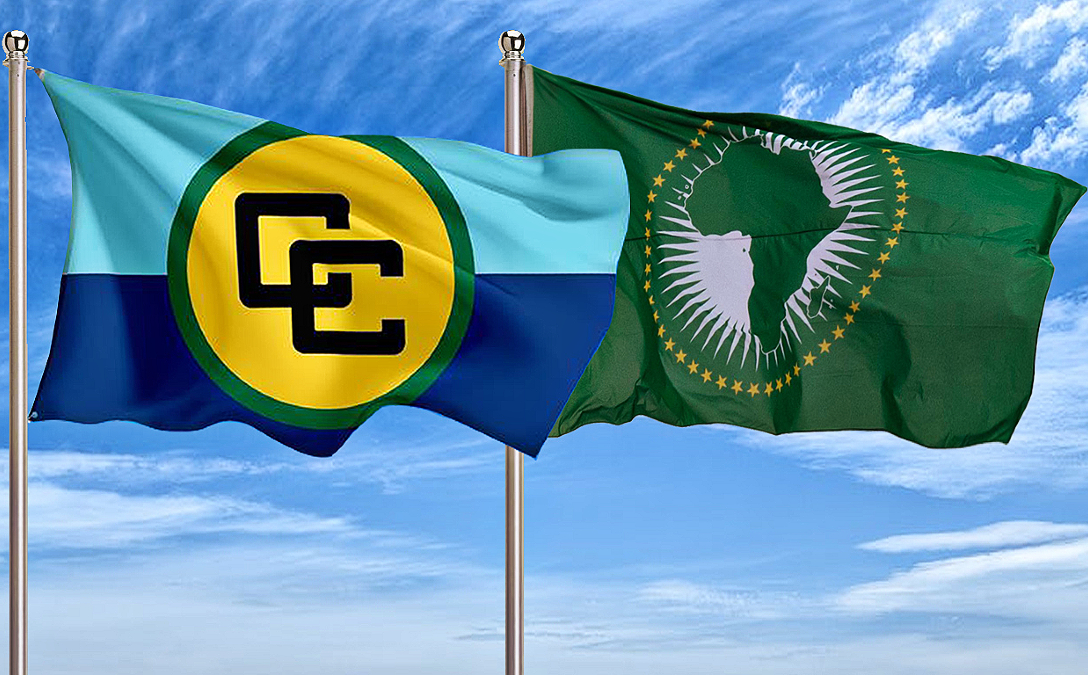

By Ryan Elcock
The partnership between the Caribbean Community (CARICOM) and Africa holds immense potential for the future economic development and growth of both regions. Although trade between CARICOM and Africa has been limited in the past, recent initiatives and collaborations have laid the foundation for deeper trade relations and investment opportunities. This article explores the economic potential of CARICOM-Africa relations, highlighting critical areas of cooperation, challenges, and opportunities for growth.
Background of CARICOM-Africa relations
In 2021, the first CARICOM-Africa Summit occurred, bringing together Heads of Government from both regions to discuss matters of mutual interest and forge deeper cooperation. The summit addressed essential issues such as trade and investment promotion, development finance, climate change, mass media, and strengthening multilateralism.
Since then, CARICOM and Africa have made considerable progress in trade and investment relations. Staunch support from institutions like Afreximbank has facilitated the establishment of a formal partnership, with the Caribbean headquarters set up in Barbados. This partnership will provide the CARICOM community with access to financing for trade promotion across various sectors.
Read: CARICOM chairman wants meaningful observance of Africa-Caribbean Day
Trade potential and investment opportunities
The potential for trade between CARICOM and Africa is tremendous. With the African Continental Free Trade Area (AfCFTA) projected to see interregional trade reach a value of US$6.7 trillion by 2035, there are significant opportunities for CARICOM countries to expand their exports and tap into new markets. Currently, Africa accounts for only 2 percent of CARICOM’s total trade, indicating the untapped potential for growth.
To fully realize the economic potential, there is a need for investment in strengthening and streamlining infrastructure, and transportation channels. The establishment of a multilateral air services agreement between African countries and CARICOM will facilitate greater connectivity and enhance trade flows. Additionally, initiatives such as the AfriCaribbean Trade and Investment Forum and the memorandum of understanding between CARICOM and the African Union Commission Secretariats will further promote business-to-business contacts and strengthen collaboration.
Read: Connecting the African Diaspora
Challenges and opportunities
While progress has been made, there are still challenges to overcome in establishing concrete and consistent connections between CARICOM and Africa. Cooperation in mass media and information sharing, the establishment of a CARICOM-Africa Commission, and increasing contact between the people of both regions are areas that require further attention and investment.
Transportation links play a vital role in facilitating trade and investment flows. Convenient air and maritime distribution channels are crucial for the success of CARICOM-Africa relations. Significant planning and investment are needed to enhance transportation infrastructure and ensure seamless connectivity between the Caribbean and African countries.
Agriculture and Industrial Development
CARICOM is actively working towards transforming its agriculture and industrial sectors. The 25 by 2025 agricultural initiative aims to reduce the region’s food import bill by 25 percent by 2025. This initiative, coupled with investment promotion in agriculture and the development of an industrial policy, will contribute to the region’s sustainable development and economic diversification.
Furthermore, CARICOM countries offer attractive opportunities for investors, particularly in the services sectors such as travel, tourism, and financial services. The region serves as a gateway to partner markets, with preferential trade agreements with Latin American and Caribbean neighbors providing significant market access opportunities. These markets represent a combined US$11 trillion in imports of goods and services.
The role of reparations and diplomatic representation
The issue of reparations for the trans-Atlantic slave trade is an important aspect of CARICOM-Africa relations. Efforts to advance the claim for reparations within the United Nations framework have been ongoing since the First International Conference on Reparations in 1990. Closer collaboration between the CARICOM Reparations Commission and relevant African Union structures can deepen people-to-people contact and raise awareness of the reparatory justice agenda.
Diplomatic representation plays a crucial role in cementing relations between CARICOM and Africa. Several CARICOM member states have established diplomatic representation in African countries, while African diplomatic missions have been established within CARICOM member states. Continual appointment of ambassadors and special envoys can enhance outreach and identify specific opportunities for collaboration and cooperation.
Final thoughts on the way forward
The future economic potential of CARICOM-Africa relations is promising. The establishment of formal partnerships, the exploration of trade and investment opportunities, and the strengthening of infrastructure and transportation channels are crucial steps towards deeper collaboration.
With the AfCFTA and CARICOM’s Single Market and Economy (CSME) providing solid platforms for trade and economic cooperation, the AfriCaribbean Trade and Investment Forum serves as a significant milestone in enhancing CARICOM-Africa relations. Continued efforts to foster people-to-people contact, promote investment, and address trade barriers will contribute to the long-term prosperity and growth of both regions.
As Dr. Carla Barnett, Secretary General of CARICOM, stated, “The partnership between CARICOM and Africa holds immense potential for economic development and growth. By strengthening trade relations, enhancing infrastructure, and fostering collaboration, both regions can unlock new opportunities and create a prosperous future.”
