
Opinion
Cuba’s Biotechnology and Pharmaceutical Industry: A Model for Latin America and the Caribbean

By Ryan Elcock
Cuba, a small-island nation in the Caribbean, has made remarkable strides in the field of biotechnology and pharmaceuticals. Despite limited resources and an embargo that restricts access to international markets, Cuba has developed a thriving biopharmaceutical industry that serves as a model for other countries in Latin America and the Caribbean. Through decades of investment in healthcare and scientific research, Cuba has built a robust industry that produces innovative drugs and vaccines and has the potential to become a biotechnology hub in the region.
A history of success
Cuba’s journey towards becoming a leader in biotechnology and pharmaceuticals began after the 1959 revolution. The Cuban government recognized the importance of establishing a high-level healthcare system that prioritized prevention and met the medical needs of the entire population. This focus on healthcare was not only driven by socialist principles but also by the US trade embargo, which limited access to imported medicines and other essential supplies.
To address these challenges, Cuba invested in training more doctors and established scientific research institutes to support the development of a domestic pharmaceutical industry. One such institute, the National Centre for Scientific Research (CNIC), was established in 1965 and played a crucial role in training scientists and engineers in the field of biotechnology and pharmaceuticals.
Collaboration and international support
Cuba’s efforts to develop its pharmaceutical industry received support from international organizations like the United Nations Industrial Development Organization (UNIDO). In the late 1970s, UNIDO helped Cuba build a chemical synthesis plant to produce generic pharmaceutical products. This collaboration, which involved the expertise of an Indian company, Sarabhai Chemicals, and contributions from India and the United Nations Development Programme (UNDP), laid the foundation for the scaling up of generic medicine production in Cuba.
UNIDO continued to support Cuba’s pharmaceutical industry in the following years. In the mid-1980s, at the request of the Cuban government, UNIDO assisted in the development of a generic hepatitis B vaccine. Cuban nationals, trained by UNIDO specialists, successfully took the vaccine from the laboratory stage to industrial-scale production. This vaccine, which was later approved by the World Health Organization (WHO), showcased Cuba’s capabilities in vaccine development.
The rise of biotechnology
Cuba’s focus on healthcare and scientific research put the country in a favorable position to capitalize on the growth of biotechnology in the 1980s. The government established the Centre for Genetic Engineering and Biotechnology (CIGB) in 1986, which became instrumental in the development of drugs and vaccines for various diseases, including cancers, cardiovascular diseases, meningitis, and hepatitis.
The integration of Cuba’s pharmaceutical industry and its track record in vaccine development allowed the country to respond quickly to the COVID-19 pandemic. Cuba currently has four potential COVID-19 vaccines in development, with the most advanced candidate, Soberana II, entering Phase III trials. If successful, this vaccine could be the first developed in Latin America. Cuba aims to produce 100 million doses in 2021 for both domestic use and export, and several countries have expressed interest in obtaining the vaccine.
The Cuban biopharmaceutical industry today
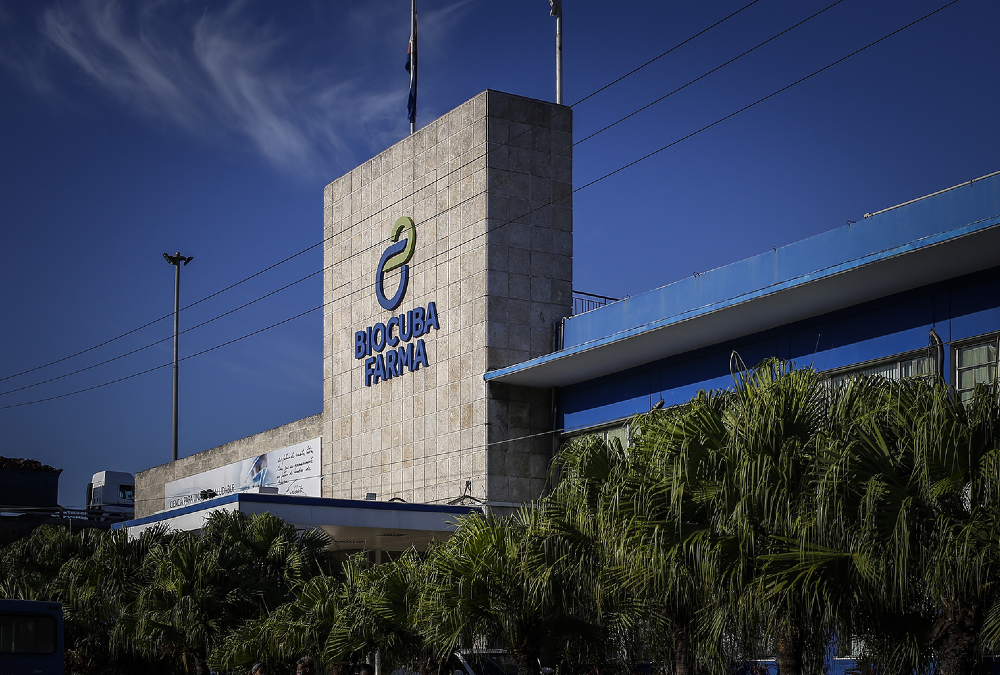
Today, Cuba’s biopharmaceutical industry is consolidated under the state-owned Biotechnological and Pharmaceutical Industries Business Group, known as BioCubaFarma. This group comprises over 30 manufacturing companies and institutes that produce more than half of the country’s essential medicines and export to over 50 countries. With its integrated approach and focus on innovation, Cuba’s biopharmaceutical industry has the potential to become a hub for biotechnology and pharmaceuticals in Latin America and the Caribbean.
The success of Cuba’s biopharmaceutical industry can be attributed to several factors. The country’s early investment in healthcare and scientific research, coupled with international collaboration and support, laid the groundwork for the development of a domestic pharmaceutical industry. Cuba’s emphasis on prevention in its healthcare system has driven the production of affordable, high-quality medicines that meet the needs of its population.
Lessons for developing nations
Cuba’s experience in building a viable pharmaceutical industry offers valuable lessons for other developing nations, particularly in the context of the ongoing COVID-19 crisis. The ability to develop and manufacture vaccines domestically is crucial for ensuring equitable access to healthcare, especially for countries that may be left behind in the global race for vaccines.
Targeted investment and political will are essential for the development of a domestic pharmaceutical industry. Collaboration with international organizations and the transfer of technical skills and knowledge can accelerate the growth of the industry. Moreover, a strong focus on healthcare and scientific research, coupled with an integrated approach that combines academia, industry, and government support, can create an environment conducive to innovation and success.
Cuba: An example for other nations to follow
Cuba’s biotechnology and pharmaceutical industry stands as a testament to the country’s commitment to healthcare and scientific research. Despite limited resources and external challenges, Cuba has built a thriving industry that produces innovative drugs and vaccines. By investing in its healthcare system and fostering collaboration with international organizations, Cuba has become a leader in biotechnology in Latin America and the Caribbean.
The success of Cuba’s biopharmaceutical industry offers valuable lessons for other developing nations seeking to strengthen their healthcare infrastructure and promote domestic innovation. By prioritizing healthcare, investing in scientific research, and fostering collaboration, countries can build their own pharmaceutical industries and ensure equitable access to healthcare for their populations.
