
Opinion
Climate-resilient transport infrastructure is the recipe that Africa needs to grow
By Danilo Desiderio
A recurring theme in discussions on the high cost of transport in Africa, particularly within economic literature, is the lack of infrastructure and the poor condition of existing transport networks connecting countries and regions across the continent. This deficiency is often cited as a primary reason for the high cost of African goods and the continent’s struggle to compete in international markets. However, a less discussed but equally critical factor is the challenging geographical and environmental conditions faced by many African nations—especially in Sub-Saharan Africa. Frequent floods, droughts, storms, and other natural disasters accelerate the deterioration of infrastructure and significantly increase maintenance costs.
For instance, droughts and high temperatures can lower water levels in rivers and canals, rendering them unsuitable for waterborne transportation. Dry soil becomes more prone to erosion, damaging roads, and weakening foundations. Extreme heat can cause roads, bridges, and railway tracks to expand and contract, leading to cracks and structural failures. Conversely, floods and storms often directly damage transport infrastructure or cause landslides and debris accumulation, which disrupt traffic. Coastal storms and rising sea levels further erode coastlines, damaging critical infrastructure such as coastal roads and ports.
Despite increased investments in transport infrastructure across Africa, many governments face budget constraints and economic challenges that prevent sufficient improvements. Fortunately, foreign investors have stepped in to bridge the gap. African ports, for example, have attracted substantial investments from international players, including entities from the United Arab Emirates, China, and more recently, Turkey. Similarly, international airports are benefiting from significant funding. Unfortunately, road and railway networks—which are particularly vulnerable to environmental conditions and frequent natural disasters—receive comparatively less attention from investors. These types of infrastructure are the most expensive to maintain, with high repair costs often deterring private investment.
Roads and railways face direct exposure to natural hazards, such as floods, heavy rains, and extreme heat. Floods can severely damage road surfaces, while heavy rains lead to erosion and landslides, disrupting both road and rail transport. Extreme heat exacerbates cracking and accelerates the deterioration of road surfaces. Additionally, the extensive length of road and railway networks, which span vast distances to connect remote regions, significantly increases maintenance costs. The materials required for their upkeep, such as asphalt and steel rails, are often expensive to procure, especially given the large quantities needed.
This highlights the urgency of prioritizing climate-resilient infrastructure investments in Africa. Governments, regional economic communities, and private investors must focus on developing infrastructure that is not only extensive but also durable and sustainable. Innovative materials and techniques, such as graphene, offer promising solutions. Graphene is revolutionizing road construction by enhancing the durability, strength, and longevity of roads. Its use reduces the frequency of repairs and resurfacing, lowering maintenance costs and minimizing environmental impact. Graphene-enhanced roads are better equipped to withstand extreme temperatures and heavy rainfall, ensuring safer and more reliable transportation while reducing carbon emissions from maintenance activities.
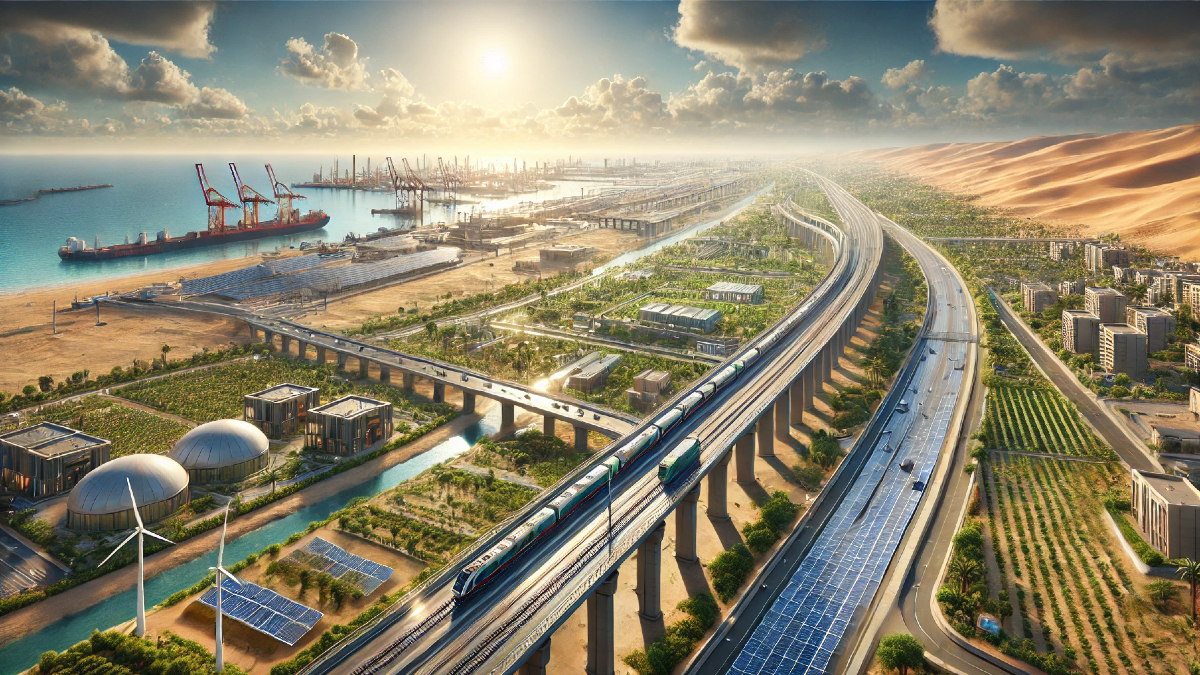
For railways, examples of environmentally resilient infrastructure, such as the HS2 project in the UK, provide valuable lessons. This high-speed rail line, which connects Handsacre in Staffordshire to London, incorporates features designed to withstand extreme weather events and minimize environmental impact. Elevated viaducts reduce the risk of flooding, while advanced drainage systems dissipate water runoff, preventing waterlogging and erosion. Flood-resistant tunnels equipped with pumps further enhance resilience.
Climate-resilient infrastructure—planned, designed, built, and operated with climate impacts in mind—is essential for Africa’s future. By investing in sustainable and environmentally resilient infrastructure, Africa can mitigate the effects of climate change, lower maintenance costs, and make such investments more attractive to stakeholders. These efforts will not only address the continent’s current challenges but also lay the foundation for a more sustainable and competitive future.
Danilo Desiderio serves as the CEO of Desiderio Consultants Ltd in Nairobi, Kenya, specializing in African customs, trade, and transport policies. He is a customs and trade expert at the World Bank and a senior associate to the Horn Economic and Social Policy Institute (HESPI).
