
Opinion
Barbados’ Independence Movement is rippling across the Caribbean
By Hannah Giorgis
Barbados, the easternmost stretch of land in the Caribbean Sea, is a pear-shaped island surrounded by a dense network of bright coral. As you crisscross the island, gently sloped hills give way to mazes of sugarcane fields. The plantations that once controlled the sugar crop were some of the first outposts of British colonial control in all of the Americas. That history, dating back to when an English ship arrived in 1625, is not as distant as it may seem. Though Barbados gained its independence as a constitutional monarchy in 1966, only last year did the nation formally sever ties with Britain – removing Queen Elizabeth II as its head of state and electing the nation’s first president in the process.
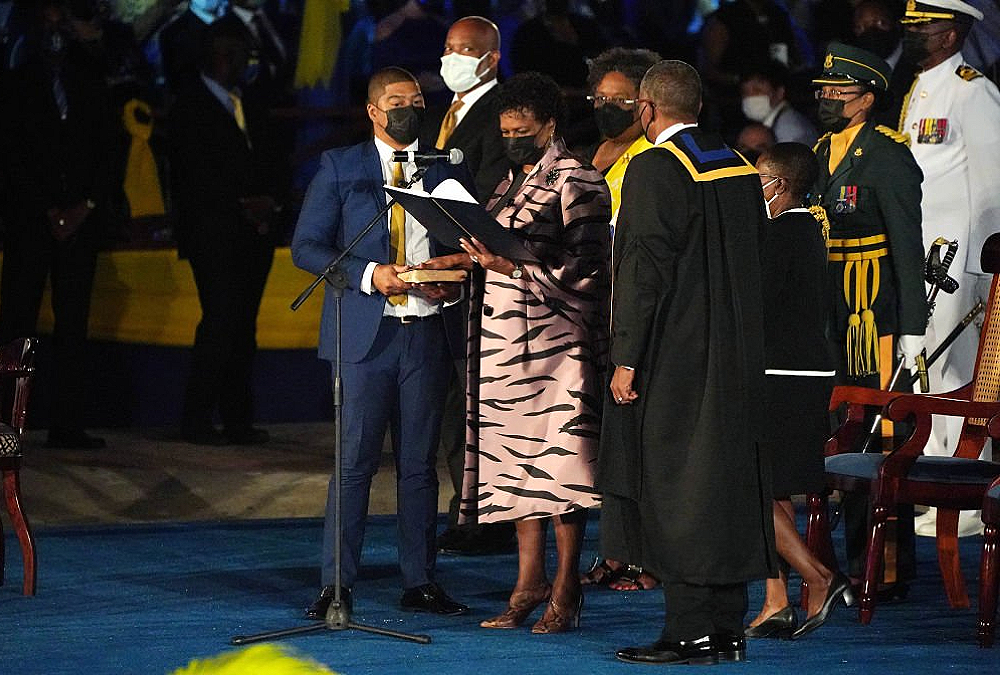
Removing the Queen as head of state is not a political endpoint, then, but one step toward reasserting Black Barbadian identity and sovereignty. “We ought no longer to be found ‘loitering on colonial premises,’” the nation’s newly elected president, Dame Sandra Mason, said in a speech during the jubilant November 2021 inauguration ceremony.
After Barbados elected Mason as president, Jamaica announced its own preliminary work to formally cut ties with Britain. (The country’s political leaders have said the referendum in question will happen in time for the next election cycle, in 2025, but it could be presented as soon as the first half of 2023.) And this year, especially following the Queen’s death, talks of separating from the monarchy have intensified in several of the remaining 15 Commonwealth realms.
