
Opinion
Analysis of the U.S. National Security Outlook under Obama
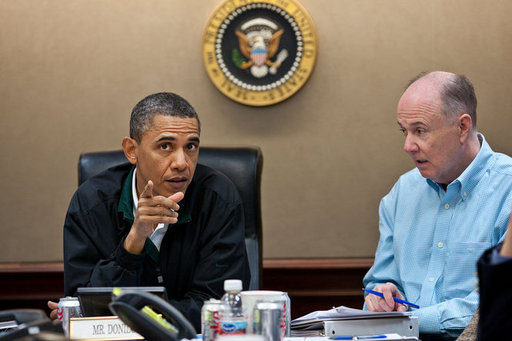
The jury is not yet out as to the long-term impact of an Obama national security strategy on America and the world. The skeptics are worried by the potential fallout and fear that in the case of a desert storm like crisis, America may not have many friends heeding her clarion call. Those in support say that the new approach is inevitable alluding to the fact that some of the most costly national security crises both in blood and treasure have occurred as result of America attempting to honor ally obligations. Case in point is 9/11 and Osama bin Laden. It can be argued that had then President Clinton gone ahead and acted on intelligence and taken out bin Laden without first giving ally Pakistan a heads-up about the intent, 9/11 and its spin off crisis, in Iraq and Afghanistan may have been mitigated.
Skeptics feel that the present policy risks portraying America as less hawkish, weak, unwilling and unable to lead in an ally structured foreign policy and national security strategy thus emboldening her enemies. However in fairness to President Obama his approach has been more hawkish than his given credit. He has been able to forge a balanced foreign policy and national security strategy that has worked in and out of the ally structure. This was shown in the eventual role played by America in the Arab Spring saga providing reconnaissance and some airpower in an allied effort to oust Colonel Gaddafi in Libya. In addition, Obama assembled a hawkish national security team including former Republican appointees: Gen. Jim L. Jones, Gen. David Petraeus and former Defence Secretary Robert Gates.
President Obama has also gotten support from the likes of former George W. Bush’s national security adviser Gen. Brent Scowcroft who is as hawkish as they get on nuclear weapons and Iran.
Since 9/11 the number one national security priority of America has been to disrupt, dismantle and defeat terrorism. The Obama doctrine on national security is shaped by this goal in seeking to achieve national security objectives. However this aspiration has to be achieved on a slimmer budget because of the prevailing poor economic realities of America and curtailed casualties to appease the war wary American public and international community. This has necessitated the apparent rebranding of American military power from a predominantly shock and awe outfit with a large footprint to a smarter intelligence driven outfit with a lighter footprint.
The new military strategy has been used effectively in eliminating major terrorist targets such as Osama bin Laden in Pakistan using Special Forces and Anwar al-Awlaki in Yemen using drones. The drone has been the de-facto weapon of choice used to eliminate scores of terror targets and a revelation in the Obama era.
The Benghazi episode in Libya, in September 2012, however, is a stark reminder of the need for the American army to maintain its might and projection capacity. This balancing act is a must and Obama the pragmatic politician that he is, understands it.
Emmanuel Musaazi is a college professor based in Toronto, Canada.
