
Opinion
Analysis of the U.S. National Security Outlook under Obama
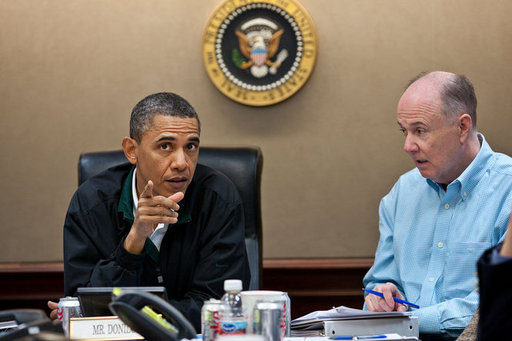
Obama’s position was viewed as radical and a threat to the foundation of American foreign policy tenet since the Second World War, which has meant in some cases putting alliance, ally interests ahead of the American interest. This mind set was displayed in senator McCain’s follow up to Obama’s answer “If you are a country and you’re trying to gain the support of another country, then you want to do everything you can that they would act in a cooperative fashion.”
The Obama/McCain exchange on Pakistan may have served as a delineator between the old and contemporary outlook on national security.
It may be argued that now more than ever, America needs the allied structure to execute her national security obligations given the unconventional/asymmetric nature of the war on terrorism and her vulnerability economically emerging from a recession. However, a counter argument could be made that over-commitment to the ally structure as a vehicle for achieving foreign policy and national security goals may be the cause of most of the intractable national security problems that America is embroiled in.
The idea of having to “scratch” an ally’s “back” in order to get the ally/allies to “scratch” back has sometimes meant America having to support dictatorships and policies that are against her core values of freedom, democracy and the rule of law. This in turn has led to a growing negative perception of America internationally. As a result the enemies of America’s budding ally pool have become America’s enemies as well.
For example, American leadership in NATO was instrumental in effectively stopping the spread of communism in Europe mainly because NATO allies had shared values. The NATO template has been ineffective in other global theaters mainly because America has allied herself with nations with which it does not share values.
The flaws in this policy can be seen in the intricate relationship America has with her three big strategic allies; Israel, Egypt and Pakistan. Rightly or wrongly, the “war on terrorism” which is presently America’s most pressing foreign and national security headache has arisen through association with either or all of the above nations.
The goal of the Obama doctrine appears to be to reverse this downward spiral of American foreign policy and national security strategy by pursuing a more pro-America foreign policy and national security agenda based on American values but potentially at the expense of ally interests. This is evident from the authorization of the Osama bin Laden hit in Pakistan without Pakistani acquiescence to President Obama’s public spat with Israeli Prime Minister Benjamin Netanyahu over the Iran nuclear weapons standoff and apparent American support of the Arab spring episode which lead to the ouster of President Hosni Mubarak of Egypt an erstwhile staunch and strategic ally.
