
Opinion
Alliance of Sahel States Moves Toward a Customs Union: A New Model for African Economic Integration

By Danilo Desiderio
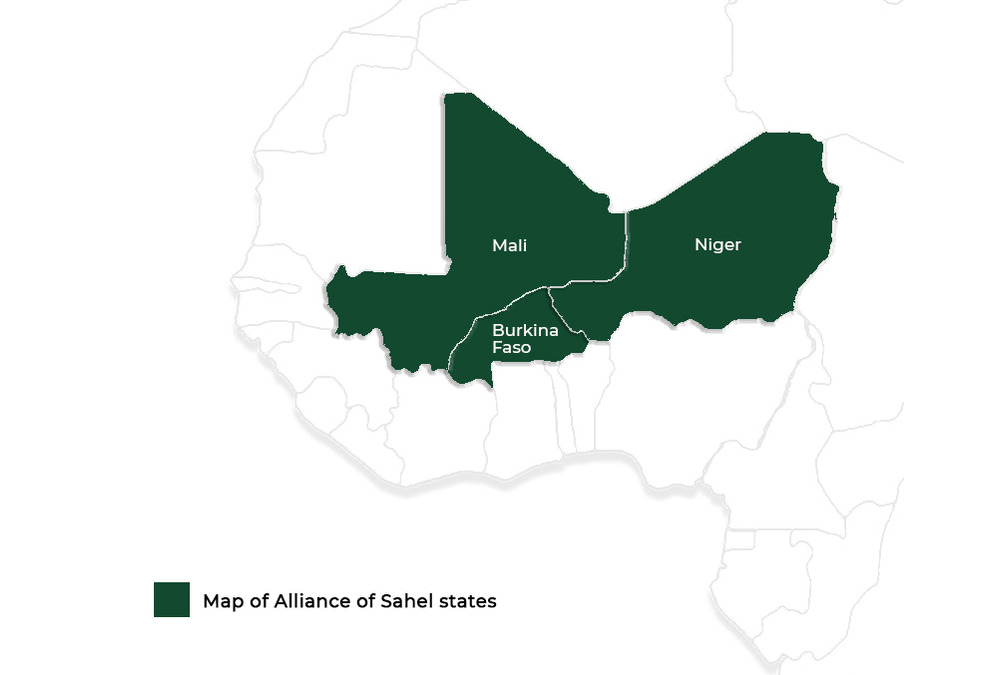
The Alliance of Sahel States (AES) – comprising Mali, Burkina Faso, and Niger – has signaled its intent to take a decisive step toward deeper regional economic integration. On October 3, 2025, officials from the three member states, joined by representatives from Togo, met in Bamako to advance plans for a Common External Tariff (CET) and harmonized customs systems across the bloc.
The meeting focused on modernizing customs information systems, improving the efficiency of duty collection, and fostering stronger cross-border cooperation. Central to the discussions was the drafting of an AES Community Customs Code and the development of a Common External Tariff for the AES region (AES-CET) -a milestone that could pave the way for a full-fledged customs union among the member states.
In March 2025, the AES introduced a 0.5 percent levy on imports from non-member countries -a modest but symbolic step toward a unified trade policy. These measures collectively underscore the alliance’s determination to move beyond defense cooperation and toward building an integrated regional economy.
From Security Pact to Economic Bloc
Originally founded as a mutual defense pact, the AES is steadily transforming into an economic coalition with ambitions that extend beyond traditional security coordination. The bloc’s pursuit of a CET and a Community Customs Code suggests a clear roadmap toward creating a common market -even before the establishment of a fully liberalized free trade area within the region.
The inclusion of Togo in the recent discussions hints at a broader West African economic vision, potentially aligning AES efforts with continental trade frameworks such as the African Continental Free Trade Area (AfCFTA). If successfully implemented, AES’s customs modernization could set a precedent for more flexible, homegrown models of economic integration across Africa.
A Shift in Africa’s Integration Playbook
The AES’s trajectory represents a departure from Africa’s traditional, linear model of regional integration -typically moving from Free Trade Area → Customs Union → Common Market → Monetary Union. Instead, African states are increasingly pursuing non-linear, adaptive pathways, advancing integration through context-specific arrangements tailored to their political, economic, and security realities.
By prioritizing a Common External Tariff before fully liberalizing internal trade, the AES illustrates how regional blocs are reordering integration steps to fit their unique contexts. This experimental approach could redefine how Africa’s economic regions evolve – emphasizing pragmatism over protocol and adaptability over orthodoxy.
In essence, the AES is not just forming a customs union – it is reimagining how African integration happens. Its evolving strategy offers a compelling example of how nations can navigate complex regional challenges with creativity and intent, aligning economic cooperation with local realities and long-term stability goals.
Danilo Desiderio serves as the CEO of Desiderio Consultants Ltd in Nairobi, Kenya, specializing in African customs, trade, and transport policies. He is a customs and trade expert at the World Bank and a senior associate to the Horn Economic and Social Policy Institute (HESPI).
