
Opinion
Air Transport: A Costly Yet Crucial Catalyst for African Value Chains

By Danilo Desiderio
A few months ago, we explored how Africa’s unique geography – marked by vast distances between production centers and consumer markets, along with a high number of landlocked countries – makes air transport far more vital on this continent than in other regions. The recently launched Africa Infrastructure Report 2025, published by the Africa Finance Corporation, affirms this view.
The report echoes our earlier analysis: air transport plays an outsized role in supporting Africa’s industrial and agricultural value chains. This is largely due to the continent’s challenging terrain, low population density in many areas, and underdeveloped surface transport networks.
Air Cargo: Bridging the Infrastructure Gap
In a region where road and rail infrastructure often falls short, air cargo offers a critical solution to logistical challenges. It connects distant production hubs with processing centers and international markets, helping to mitigate the limitations of inadequate ground transportation.
As such, air transport is not just a convenience – it is a linchpin for improving the efficiency and connectivity of African supply chains. However, while it delivers unmatched speed, it comes at a steep price.
Why Is Air Freight So Expensive?
Air transport remains the most expensive mode of freight compared to sea, rail, or road. Several factors contribute to its high cost:
- Limited cargo capacity, both in terms of volume and weight.
- High operational costs, including fuel consumption, frequent maintenance to meet strict safety standards, and hefty fees for airport infrastructure use – such as landing charges, hangar rentals, security fees, and various surcharges.
Despite these economic hurdles, the African Union (AU) recognizes air transport as a strategic asset for regional integration. In January 2018, the AU launched the Single African Air Transport Market (SAATM) – a flagship initiative aimed at reducing costs and increasing efficiency by creating a unified market for air services across the continent.
Real-World Impact: Ethiopia and Kenya Lead the Way
The benefits of air transport are clearly visible in countries like Ethiopia and Kenya, both highlighted in the Africa Infrastructure Report 2025. Ethiopia has strategically invested in its aviation infrastructure to support its booming textile and garment industry.
The reliability and speed of air freight have enabled timely exports, fueling the sector’s growth.
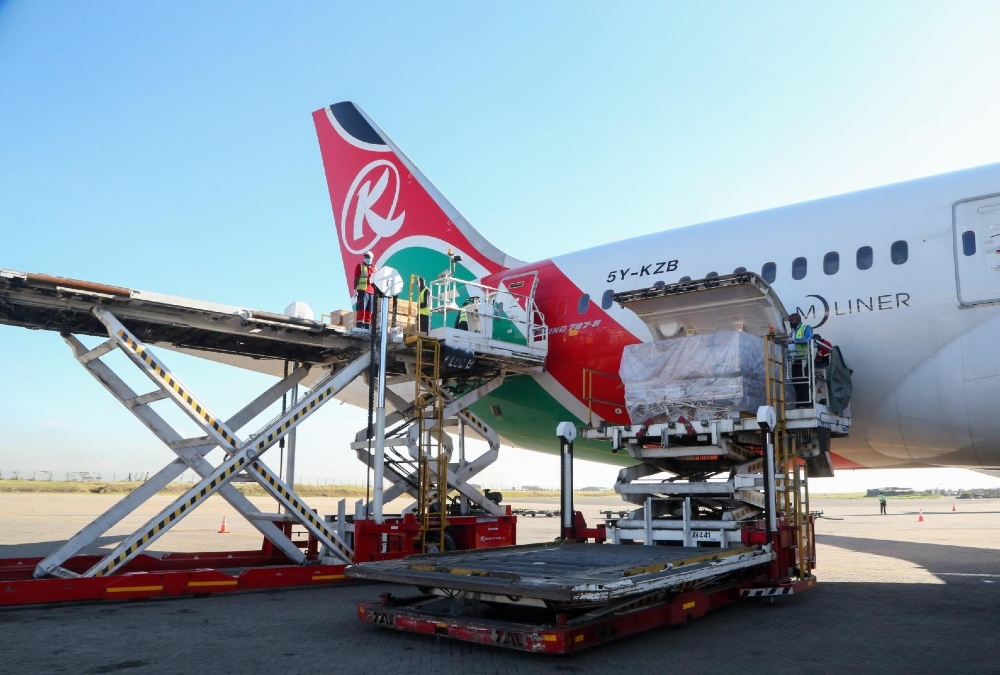
Similarly, Kenya has leveraged air cargo to become a global leader in the export of fresh produce and cut flowers – goods that require fast delivery to preserve quality and value.
These examples underscore the transformative potential of air transport in driving both industrial and agricultural development, particularly for nations constrained by difficult geography or poor surface infrastructure.
Looking Ahead: Strategic Imperative or Luxury?
The latest Africa Infrastructure Report makes one thing clear: for many African countries – especially landlocked nations and those with rugged terrain – air transport is not a luxury, but a strategic necessity. While cost remains a major barrier, initiatives like SAATM represent important steps toward making air cargo more accessible and affordable.
To build on this momentum, stakeholders must accelerate reforms that dismantle regulatory barriers protecting national carriers and promote greater connectivity across African destinations. Such efforts would lower costs and improve integration between air transport and other logistics modes.
By doing so, Africa can continue to harness air transport to bridge infrastructure gaps, boost trade, and drive sustainable growth in key sectors. As the Africa Finance Corporation emphasizes, prioritizing the optimization and expansion of air transport is essential for the continent’s broader economic transformation and integration.
Danilo Desiderio serves as the CEO of Desiderio Consultants Ltd in Nairobi, Kenya, specializing in African customs, trade, and transport policies. He is a customs and trade expert at the World Bank and a senior associate to the Horn Economic and Social Policy Institute (HESPI).
