
Opinion
Africa’s Urban Revolution: The Rise of the City as the Continent’s New Heartbeat

By Des H Rikhotso
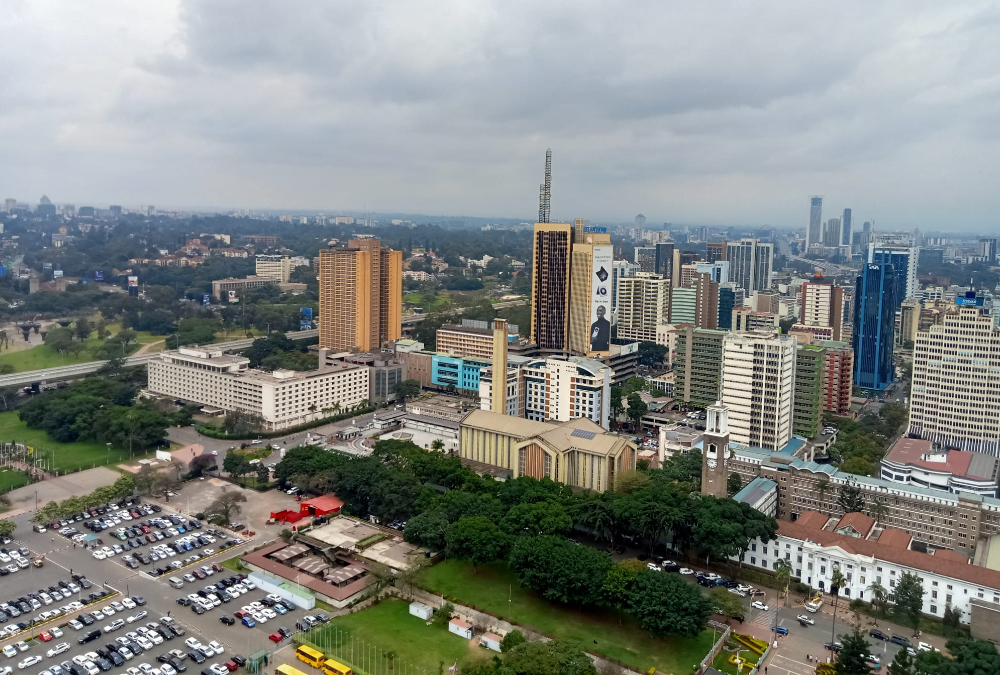
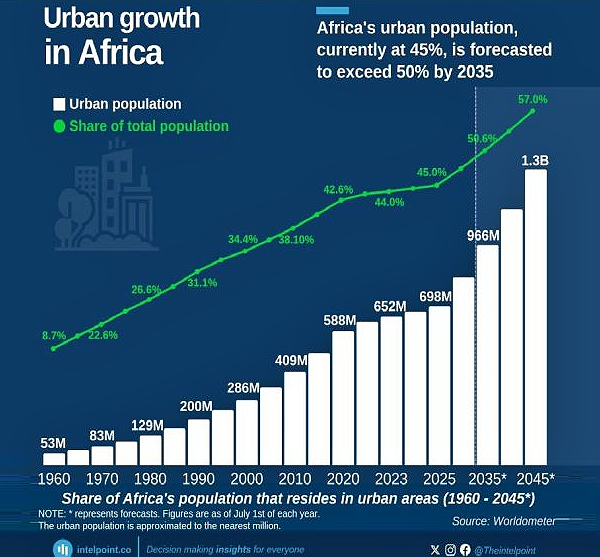
By 2035, a historic milestone will be reached: for the first time in its history, more than half of Africa’s population will live in cities. This transformation marks not just a demographic shift, but a profound reimagining of the continent’s future – one where urban centers emerge as the epicenters of economic dynamism, innovation, and social change.
From 53 million urban dwellers in 1960 to an estimated 700 million by 2025, Africa’s cities are growing at a pace unmatched anywhere else in the world. The urban share of the population has surged from just 18.7 percent six decades ago to a projected 57 percent by 2045.
This is not merely growth in numbers – it reflects a structural transformation as millions of Africans migrate from rural areas in pursuit of better livelihoods, improved infrastructure, education, healthcare, and employment.
This urban surge is more than a trend; it is a revolution. As cities expand, they are becoming the primary engines of economic activity.
Consumer markets are evolving rapidly, with rising demand for housing, transportation, energy, and digital services. From Lagos to Nairobi, Accra to Kigali, urban entrepreneurs are reshaping industries, attracting investment, and fueling innovation.
The Double-Edged Sword of Rapid Urbanization
Yet, this rapid urbanization brings immense challenges. Infrastructure is struggling to keep pace.
Many cities face severe congestion, inadequate public transit, unreliable power supply, and a critical shortage of affordable housing. Informal settlements continue to expand, often without access to clean water, sanitation, or basic services.
Environmental pressures – from air pollution to waste management – are mounting, while economic inequality risks deepening without inclusive planning.
The next decade will be decisive. Africa stands at a crossroads: its cities can either become hubs of sustainable prosperity or be overwhelmed by the weight of unplanned growth.
The difference lies in governance, investment, and vision.
Smart urban planning, climate-resilient infrastructure, and policies that prioritize inclusive development are no longer optional – they are urgent imperatives. National and local governments must work hand-in-hand with the private sector and civil society to build cities that are not only livable but equitable and forward-looking.
Africa’s urban future is not predetermined. But with strategic foresight and bold leadership, the continent’s cities can become the true heartbeat of a modern, thriving Africa – driving progress, opportunity, and shared prosperity for generations to come.
Des H Rikhotso (PgDip-BA, MBL) is a seasoned C-suite executive with 25+ years of leadership across Southern and Sub-Saharan Africa. Based in Kampala, he serves as East Africa Regional Business Executive, driving strategic growth and operational excellence. Des has held senior roles at BMW, Volkswagen, Peugeot, Toyota/Lexus, Nissan, and G.U.D Holdings. He holds business degrees from the University of the Western Cape, Wits University, and the University of South Africa.
