
Opinion
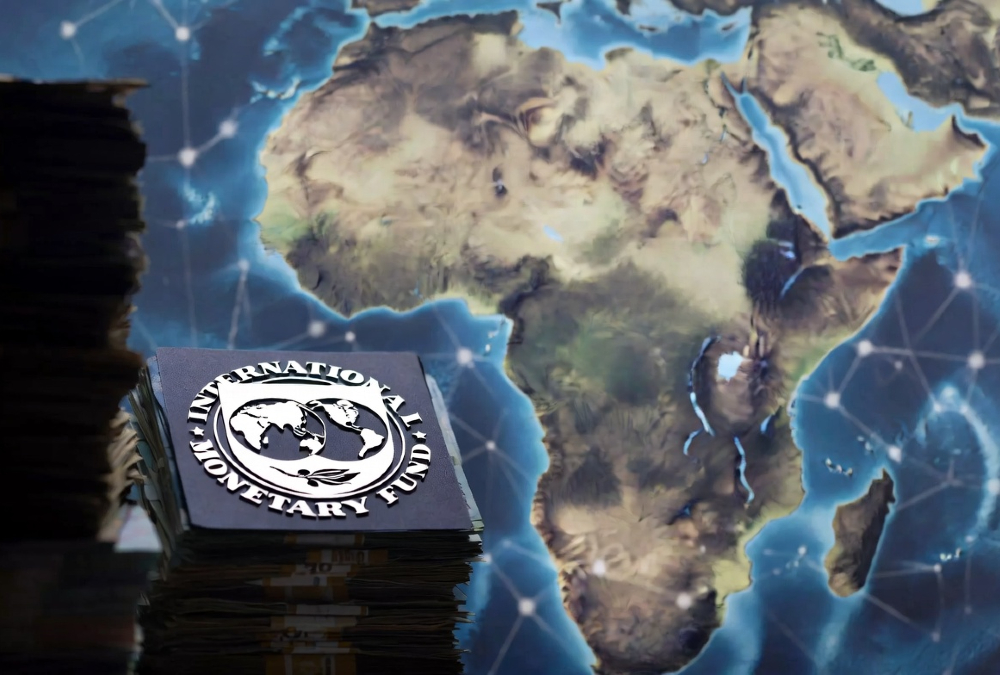
Africa’s IMF Debt Map in 2026: Who Owes the Most – and Why Nigeria’s Exit Matters
By Gregory September
In the complex landscape of African sovereign debt, Nigeria has achieved something noteworthy – yet the silence surrounding this accomplishment speaks volumes about the continent’s ongoing fiscal challenges.
As of January 2026, Nigeria’s IMF credit outstanding stands at zero dollars. The nation completed its debt repayment to the International Monetary Fund in April 2025, adhering precisely to the timeline established when it secured emergency financing in 2020.
While this represents a technical success in debt management, the story behind the numbers reveals both promise and persistent concerns across the continent.
The Elephant Not in the Room
Nigeria’s absence from the list of Africa’s top ten IMF debtors is striking, particularly given the country’s economic significance as the continent’s largest economy by GDP. Yet this achievement arrived not through extraordinary measures, but through adherence to a predetermined repayment schedule – a crucial distinction that tempers celebration with realism.
President Bola Tinubu’s economic reforms have undeniably contributed to improved fiscal management. The removal of fuel subsidies, long considered politically radioactive, and the unification of multiple foreign exchange rates have boosted government revenues and enhanced market stability.
These bold moves have provided the breathing room necessary for Nigeria to meet its international obligations on time.
However, context matters. Nigeria repaid its IMF debt according to the original 2020 loan terms, not ahead of schedule.
This was competent debt management, not a financial miracle.
The Burden Bearers: Africa’s IMF Debtors in 2026
While Nigeria exits the IMF debt roster, ten African nations carry substantial obligations that paint a sobering picture of the continent’s financial vulnerabilities:
Egypt leads with US$6.13 billion in outstanding IMF credit – a staggering figure that reflects the country’s ongoing currency crisis and structural economic challenges. The continents forth most populous nation has repeatedly turned to the IMF as economic shocks and political instability have undermined fiscal sustainability.
Ivory Coast follows with US$3.63 billion, despite being celebrated as one of West Africa’s economic success stories. This debt load suggests that even high-growth economies in the region remain dependent on multilateral support to weather global economic headwinds.
Kenya’s US$2.94 billion obligation comes amid widespread protests over taxation and cost-of-living pressures, illustrating the political tensions that arise when governments attempt to balance IMF-recommended fiscal discipline with domestic demands.
Ghana, holding US$2.85 billion in IMF debt, represents a cautionary tale of fiscal mismanagement leading to debt distress and sovereign default in 2022 – a reminder that debt burdens can quickly spiral beyond control.
The remaining countries – Angola (US$2.50 billion), the Democratic Republic of Congo (US$2.22 billion), Ethiopia (US$1.57 billion), Tanzania (US$1.34 billion), Cameroon (US$1.20 billion), and Zambia (US$1.13 billion) – collectively owe over US$10 billion, underscoring the systemic nature of Africa’s relationship with emergency financing.
What the Numbers Reveal
These figures expose uncomfortable truths about African economic sovereignty and development financing. IMF debt, while often necessary to stabilize economies during crises, comes with conditionalities that can constrain policy options and political autonomy.
The concentration of debt among these ten nations highlights how economic shocks – whether from commodity price volatility, climate events, or global financial conditions – disproportionately affect African economies with limited fiscal buffers.
Nigeria’s success in clearing its IMF obligations demonstrates that exit is possible with disciplined fiscal management and political will to implement difficult reforms. Tinubu’s subsidy removal and exchange rate reforms, though painful for many Nigerians, have strengthened the government’s fiscal position and improved investor confidence.
Yet the broader question remains: Why do so many African economies find themselves repeatedly dependent on IMF support? The answer lies in structural vulnerabilities – narrow export bases, commodity dependence, inadequate tax systems, and insufficient domestic resource mobilization.
Beyond Debt Clearance: The Real Challenge
Nigeria’s achievement should not be overstated. Clearing IMF debt does not erase the country’s substantial domestic and external obligations to other creditors, nor does it resolve fundamental economic challenges including inflation, unemployment, and infrastructure deficits.
More importantly, the persistence of high IMF debt across the continent suggests that Africa’s development financing model remains fundamentally inadequate. Countries oscillate between periods of borrowing and repayment without achieving the structural transformation necessary to break free from dependence on external financing.
The path forward requires more than fiscal discipline and occasional reform. African nations need to diversify their economies, expand tax bases, improve governance, and create conditions for sustained private investment.
These are generational challenges that cannot be resolved through IMF programs alone.
Nigeria has demonstrated that meeting debt obligations is achievable with political courage and sound policy. But until African economies build the resilience to weather global shocks without repeatedly seeking emergency financing, debt clearance will remain a temporary reprieve rather than a permanent solution.
The question is not merely who owes the IMF, but why the cycle continues – and what it will take to finally break it.
Gregory September is a South African academic, author, and geopolitical analyst with extensive experience in government and Parliament. He is the founder and CEO of SAUP (Sustainability Awareness and Upliftment Projects NPC), which focuses on sustainability education and community development. He previously served as Head of Research and Development for the Parliament of South Africa. His work centers on sustainability, African geopolitics, and economic development, and he regularly contributes to analysis of global political and economic affairs.
