
Opinion
Africa Must Harness Its Fossil Fuels – Including Coal – to Secure Its Energy Future

By NJ Ayuk
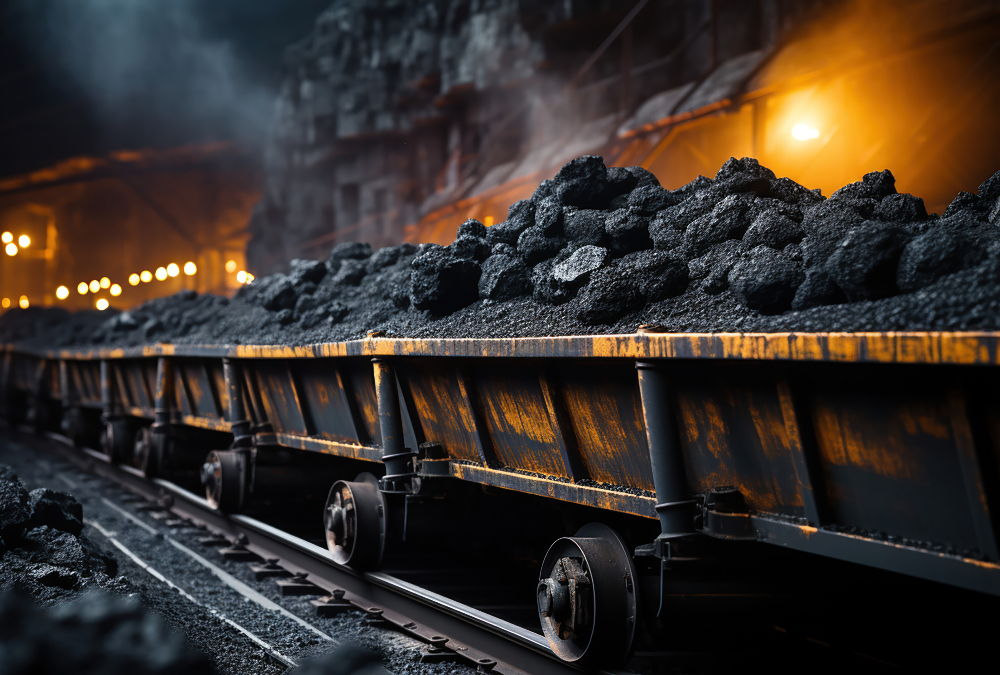
As the world transitions to a low-carbon economy, coal is increasingly under scrutiny. Many industrialized nations have raised concerns over its environmental and health impacts.
However, at the SAOGA2025 conference organized by the South African Oil & Gas Alliance (SAOGA), I emphasized that coal remains a crucial component in Africa’s path toward economic growth and energy security.
Africa should not shy away from using its fossil fuel resources to foster development and improve the lives of its people. Rather than apologizing for tapping into these resources, we must embrace them fully and unlock their potential for the benefit of the continent.
Recent Developments Highlight Africa’s Energy Potential
Recent developments in Libya and Algeria, where gas exports to Europe have surged to unprecedented levels, highlight the importance of Africa’s oil and gas reserves. Meanwhile, new energy producers are emerging across the continent, and major infrastructure projects, such as the East African Crude Oil Pipeline (EACOP), are set to change the energy landscape.
This 1,443 kilometer (897-mile) pipeline, expected to transport 246,000 barrels of crude oil per day, will position East Africa as a key player in the global energy market.
Another significant example is the Grand Tortue Ahmeyim project in Mauritania and Senegal, which exemplifies Africa’s growing energy potential. Southern Africa, in particular, is poised for substantial growth in oil production.
With an estimated 6.7 million barrels produced daily and an additional 2 million barrels expected over the next five years, the region is set to become an increasingly important global energy supplier, driving economic growth and attracting new investment opportunities.
Africa’s energy future relies on embracing its fossil fuels, including coal. By doing so strategically, we can ensure sustainable development, create jobs, and drive economic growth across the continent.
The Path Forward: Investment and Infrastructure
However, oil and gas discoveries do not guarantee immediate production. The industry needs substantial financial investment, robust infrastructure, and supportive policies to succeed.
The recent approval of a US$4.7 billion loan by the U.S. Export-Import Bank for Mozambique’s LNG project marks a welcome step forward. This financing will help unlock Mozambique’s vast natural gas reserves, estimated at 65 trillion cubic feet, and significantly boost the country’s economy.
The Mozambique LNG project, led by TotalEnergies, also has the potential to meet the growing energy demands of international markets, particularly in Asia.
To remain competitive in the global energy landscape, Africa must prioritize both competitiveness and local content. We are not only competing with neighboring nations – we are up against emerging energy players like Guyana and Suriname.
To attract investment and drive sustainable growth, we must create an environment that encourages investment and promotes local involvement. By doing so, we can generate significant opportunities for our people, ensuring that Africa’s energy future remains bright and prosperous.
In Conclusion: Dig, Baby, Dig
Africa’s energy future relies on embracing its fossil fuels, including coal. By doing so strategically, we can ensure sustainable development, create jobs, and drive economic growth across the continent.
Now is the time to unlock the full potential of Africa’s energy resources – starting with coal and extending to the vast oil and gas reserves waiting to be tapped.
NJ Ayuk is the Executive Chairman of the African Energy Chamber.
