
Opinion
Will Africa leave the World Bank behind?
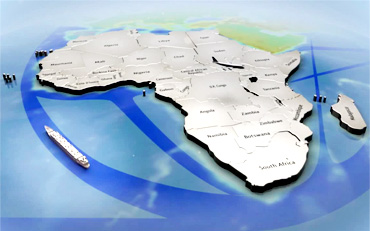
For African leaders, surveying the past 50 years of development as counselled by the West, the question is clear: Why should India, China and South Korea have succeeded when they ignored the privatization and liberalization dictums of the ‘Washington consensus’?
This contest of ideas is far from academic. Hundreds of millions of lives and billions of dollars are at stake. If African economies can use new ideas and technology to consolidate growth and make it self-sustaining, the next two decades in Africa could be as transformational as the last two in Asia.
Some African governments have already made their choice alongside Ethiopia. Both the Moroccan and the Rwandan government have strong investment arms. Rwanda’s Crystal Ventures has helped companies break into the road building trade, for example, and has spun off profitable businesses in the construction, food processing and security sectors.
And, in a big roll of the dice, Morocco’s King Mohammed VI has wagered the country can become the next hub of car manufacturing and aeronautical engineering on Europe’s fringes.
The Tanger-Med complex hosts Renault and Bombardier as key tenants and is a testament to a thoroughly planned industrial policy.
African policymakers are asking if the World Bank, in particular its new leader, South Korean-born Jim Yong Kim, can bridge the gap between those governments trying state-led policies and the old market purists.
The development business, for many years the domain of the World Bank, is now an open field. There was a sixfold increase in private sector capital flows between 2000 and 2007, reaching US$86 billion. That makes the World Bank just one lender among many.
The fact that Kim is the first non-white to run the World Bank helps to deflect the traditional irritation that African countries suffer from being lectured to. Given the pressure from Brazil, China and India to select a candidate of the developing world, the fact Kim was born to South Korean parents may help to attenuate the disappointment that Nigeria’s Ngozi Okonjo-Iweala did not win the post.
