
Opinion
The case for a single Caribbean airline
By Ramesh Lutchmedial
Regional insularity is a major obstacle to the formation of any single Caribbean airline. It is time for regional governments to wake up, face reality and give true meaning to regional integration and the CARICOM Single Market and Economy.
The shareholder governments of the Leeward Islands Air Transport (LIAT) ended a meeting on April 30 without a firm plan to rescue the financially strapped airline. The meeting considered an oral proposal by the Prime Minister of Antigua & Barbuda and undertook to give the proposal further consideration after it is submitted in writing.
In the past, there have been numerous meetings of prime ministers of shareholder governments with the objective of putting LIAT on a sound financial footing. None of these meetings have borne positive results.
Likewise, numerous reports based on studies by consultants have been published on the Caribbean Community (CARICOM) region’s air transport industry. All the studies identified a common theme: the region must develop and implement an air transport plan within a policy framework in accordance with the revised Treaty of Chaguaramas.
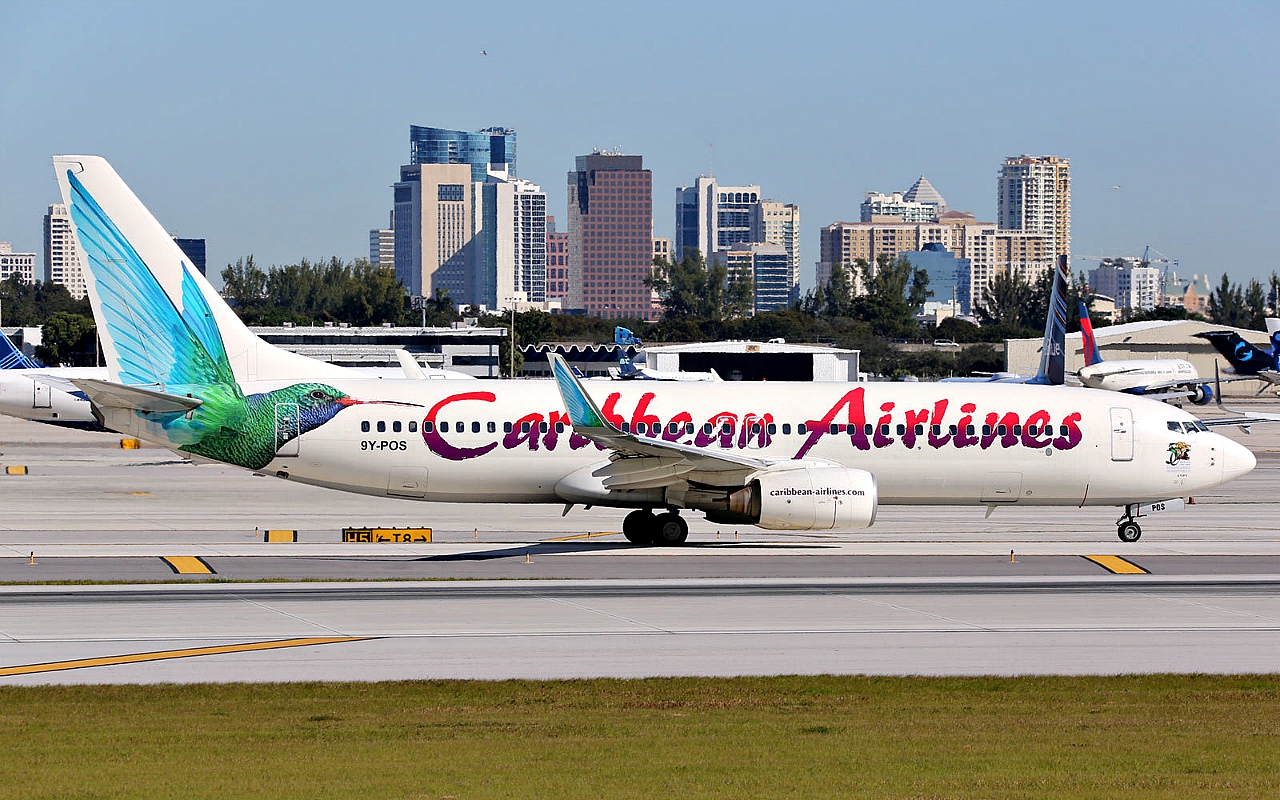
Trinidad & Tobago took the lead in 2006 when then prime minister Patrick Manning, after consultation with his CARICOM colleagues, decided to rename BWIA West Indies Airways Limited to Caribbean Airlines and take over the operations of Bahamas Air, Cayman Island Airways, Air Jamaica (now defunct), LIAT, and Suriname Airways under a revised governance structure with CARICOM countries’ participation.
When BWIA West Indies Airways Limited and the unions failed to agree on much needed work-rule concessions to achieve profitability, BWIA West Indies Airways Limited was shut down at the end of 2006 and Caribbean Airlines commenced operations in 2007 as a new airline. Needless to say, other CARICOM member states did not follow through with participation in Caribbean Airlines (CAL), resulting in the new carrier continuing to be a Trinidad & Tobago-owned airline.
The air transport industry is a major catalyst for social and economic development, particularly for countries with tourism-based economies. Efficient air connectivity is therefore vital to the economies of Eastern Caribbean countries, a sub-region served mainly by LIAT.
LIAT has served the Eastern Caribbean faithfully, but has a history of unprofitability. Shareholder governments had to pump hundreds of millions of dollars to keep the airline airborne.
On his return from the 30th CARICOM heads of government meeting in February, Trinidad & Tobago prime minister Keith Rowley spoke about LIAT’s financial woes and suggested LIAT and CAL enter discussions about the economic benefits of co-operation.
CAL and LIAT operate a fleet of ATR-72 and ATR-42 aircraft and though competing with each other can benefit tremendously from functional co-operation in many areas such as fuel hedging, ground handling, purchasing, maintenance support, and code sharing. This can create better economies of scale with a consequent reduction in operating costs.
To date there has been very little movement on Rowley’s suggestion.
Also, given the thinness of the Caribbean air transport market, the big question is whether the region can afford to have 5 separate airlines, the majority of which incur huge losses that are borne by taxpayers.
For example, in May 2010, Jamaica’s then minister of finance and the public service, Audley Shaw, informed the Jamaican Parliament that the imminent shutdown of Air Jamaica was because the airline was an unbearable cash drain for the government, recording losses in 40 out of its 42 years of existence with an accumulated debt of US$1.5 billion.
He further told the parliament that the proposed transaction with CAL operating the former Air Jamaica routes resulted in the Jamaica Government acquiring a 16 percent ownership in CAL valued at US$28.5 million.
The global air transport industry is being rapidly liberalized with less restrictive economic regulations and the emergence of “open skies” air service agreements. Regional airlines will face more competition from extra-regional airlines, underscoring the need to co-operate, consolidate and perhaps integrate operations.
Therefore, the real solution may lie in the formation of a single Caribbean airline with an appropriate governance structure operating a suitable fleet of long, medium and short-haul aircraft with strategically placed hubs as envisaged by Manning in 2006.
Regional insularity is a major obstacle to the formation of any single Caribbean airline. It is time for regional governments to wake up, face reality and give true meaning to regional integration and the CARICOM Single Market and Economy.
Ramesh Lutchmedial is the Director General and CEO of the Trinidad & Tobago Civil Aviation Authority. Newsday © Copyright 2019.
