
Opinion
Haiti is not in “Crisis” – It’s uprising against Neoliberalism
By France François
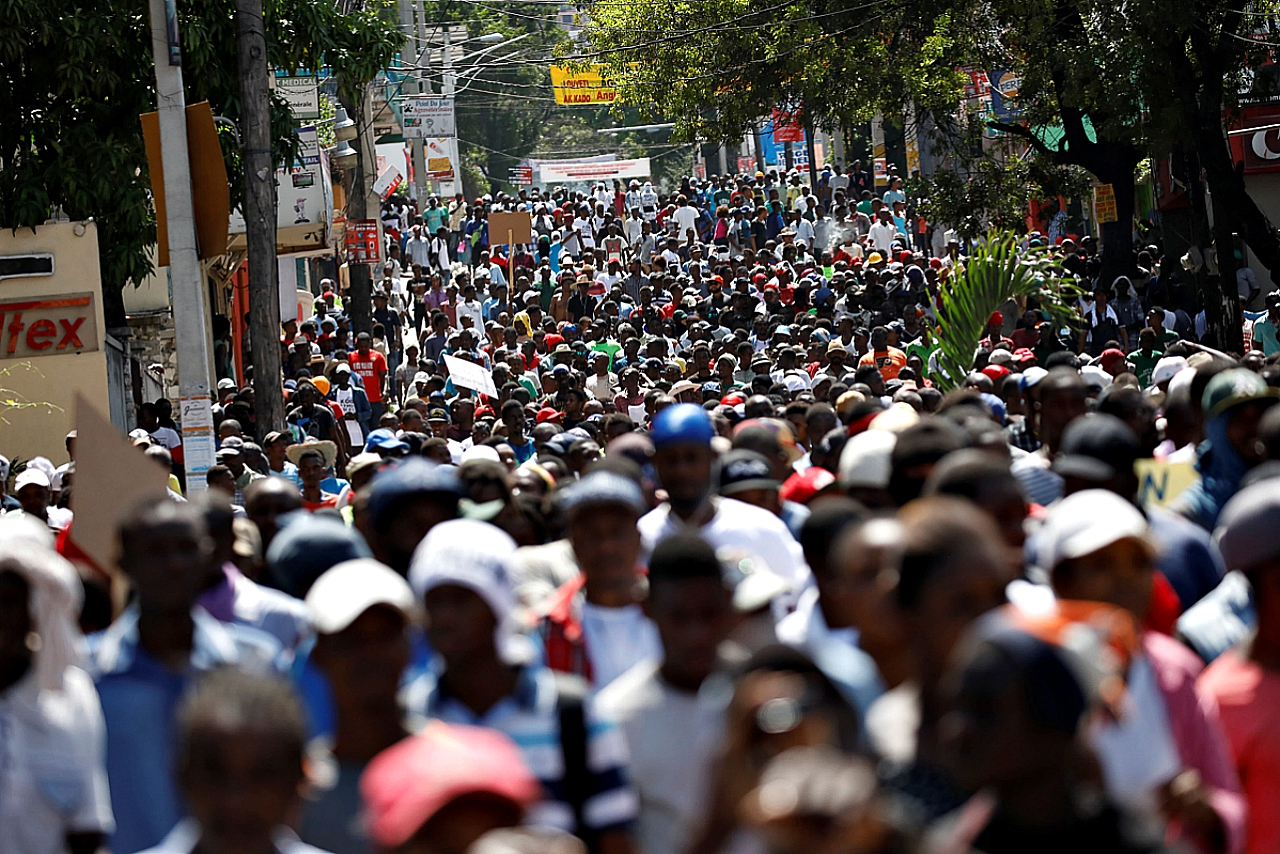
For months, Haitians have been protesting en masse against corruption, inflation and the scarcity of basic goods. While the massive demonstrations, which are calling for President Jovenel Moïse to step down, have put the country at a standstill, the Western news media has grossly failed to grasp the significance of the moment.
Contrary to the oversimplified narrative published by the New York Times, what began in July 2018 in Haiti is not a “crisis,” “meltdown” or a “nightmare” where the U.S. needs to “help their poorest neighbor get back on its feet.” Rather, it is an uprising that is generations in the making against the cornerstones of neoliberalism itself.
Coverage of Haiti fails to understand this, relying instead on tired tropes wrought with imperialist amnesia that rob Black people of their agency, silences the voices of Haitians and whitewashes foreign interventions in the Caribbean country.
Haiti has long been fiscally limited as a result of neoliberal economic policies. In the mid- to late-20th century, the U.S.backed the decades-long dictatorship of François Duvalier, which robbed and neglected the nation while, under pressure from the United States Agency for International Development (USAID), opened the doors to a proliferation of foreign NGOs and oriented Haiti’s production toward exports rather than local food production.
A decade later in 1995, the International Monetary Fund (IMF) and World Bank then privatized 9 of Haiti’s national enterprises. Soon after, the Clinton administration forced Haiti to lower its tariffs, allowing cheap, subsidized rice and sugar from U.S. farmers to flood the Haitian markets, pushing local agriculturists off their land and into sweatshops in the overcrowded capital and leading to further food insecurity.
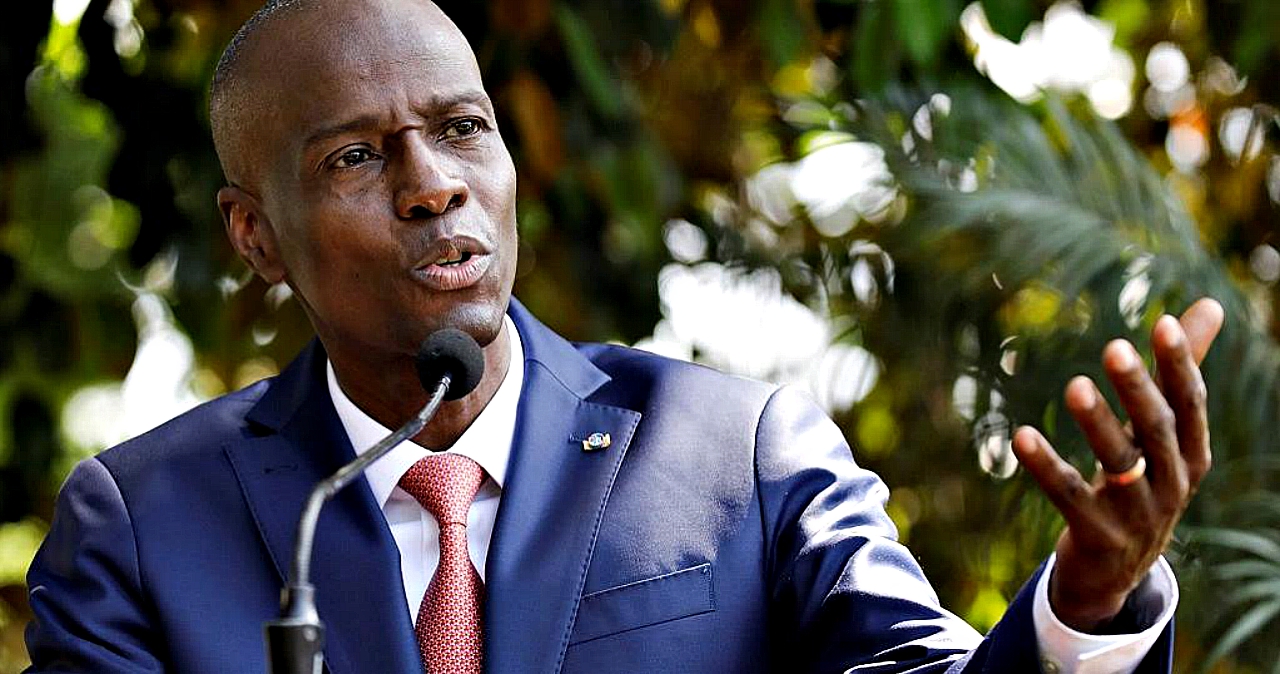
Haitian President Jovenel Moïse speaks during a press conference at the National Palace in Port-au-Prince, Haiti, Tuesday, October 15, 2019. PHOTO/AP
More recently, the Obama administration’s refusal to allow Haiti to raise its hourly minimum wage from US$0.24 to US$0.61 guaranteed U.S. companies cheap sweatshop labor and that Haitians could never rise out of poverty.
It culminated in the aftermath of the devastating 2010 earthquake where, rather than homes, schools and infrastructure, US$9 billion was squandered on piecemeal projects that enriched disaster capitalists and the Haitian elite.
Neoliberalism requires favorable governments, so it’s no surprise that the last 5 Haitian presidents all served at the behest of the “Core Group,” an unelected collective of foreign powers that influence Haitian politics and economics. Former President Michel Martelly was picked by this group to govern the country despite losing the election — or “selections,” as Haitians derisively refer to the political process. Both Martelly’s administration and that of his hand-picked successor, current President Moïse, are implicated in stealing US$2 billion of Venezuela’s Petro Caribe loan meant for social investments in Haiti. This has currently led to fuel shortages that U.S. oil companies are well positioned to take advantage of.
The months-long protests in Haiti aim to confront the neoliberal policies that have kept the country poor. These demonstrations are not just an indictment of one corrupt Haitian president; they are a charge against the failures of the entire global economic structure, with the U.S. at its center.
If media outlets listened to the Haitian people, they would understand that protesters have been very clear from the beginning about their demands: “No more foreign military occupation, no more foreign meddling, stop supporting the Moïse regime.”
These are the calls being made by Haitians struggling on the ground.
REMEZCLA © Copyright 2019
