
Opinion
Free trade area is best chance to remake Africa
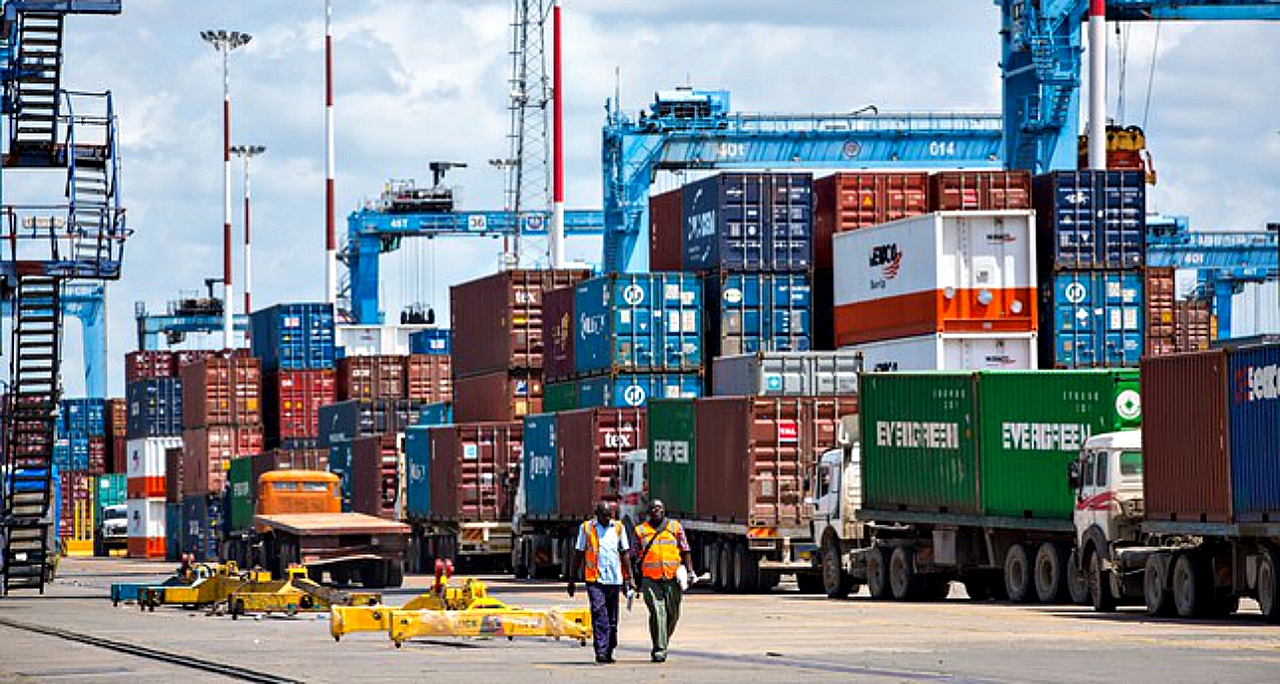
- The deal should energize a continent of 1.2 billion people and US$3 trillion output.
At a time when much of the world seems to be cooling on the idea of free trade, at least 1 region is growing increasingly enthusiastic: Africa. This year, 54 of the continent’s 55 states – with only recalcitrant Eritrea on the sidelines – signed up to a free trade area that encompasses 1.2 billion people and output of more than US$3 trillion.
The project has gathered strong political momentum, going from conception to enactment in less than 3 years. Cyril Ramaphosa, South Africa’s president, has called it the continent’s boldest attempt to bring to life the pan-African ideals espoused half a century ago by independence leaders such as Kwame Nkrumah. Colonialism left a Balkanized continent of primarily subscale economies. Most of them have arbitrary borders. Sixteen are landlocked. The African Continental Free Trade Area (AfCFTA) is an opportunity to remake the continent in its own image and in its own interests.
There is a strong economic case to be made. Only about 18 percent of African exports are traded within the continent, against nearly 60 percent for Asia and 70 percent for Europe. African countries have agreed to cut tariffs to zero on 90 percent of goods. That and other trade-facilitating measures should increase intra-continental commerce by more than 50 percent in 4 years, according to the UN Economic Commission for Africa.
More trade could bring many advantages. Too many African countries are stuck in colonial-like trading arrangements, exporting raw materials and importing manufactured goods. The free trade area should encourage both specialization and higher value-added exports. Research shows that African countries trade more sophisticated goods with each other than they do with the outside world.
More trade could also help the continent reverse damaging deindustrialization. A properly functioning free trade area could help fix that by giving impetus to efforts to attract investors with the prospect of a market of 1.2 billion customers. Africa needs more manufacturing, from canning fruit to assembling mobile phones.
There are many obstacles. The greatest is effective implementation. The African Union has a history of grandiose pronouncements but poor follow-through. The next phase will be to hammer out dull but vital agreements on non-tariff barriers, rules of origin and dispute resolution. Countries also need to build the infrastructure – soft as well as physical – to facilitate smooth trade, linking their countries with road, rail and interconnecting power grids. They also need to streamline customs procedures, often maddeningly slow. Just as important, they must redouble efforts to lift education standards, with a particular emphasis on the vocational skills that can help people participate in more interconnected economies.
The record of Africa’s multiple regional free trade areas is mixed. The East African Community, which is moving towards a customs union and has progressed further than most with joined-up infrastructure, is probably the most advanced. It should act as a template for the continent.
As recent xenophobic attacks in South Africa show, Africa is also prone to a backlash against the unrestricted free movement of people. Leaders will have to do a good job of explaining the potential benefits of free trade and of enacting policies to make these real.
“We have reached a moment in our history when Africa needs investment more than it needs foreign aid,” Ramaphosa told the Financial Times Africa Summit in London last month. In this, multilateralism is the best way forward.
The Financial Times © Copyright 2019
