
Opinion
Does BRICS Really Serve Africa’s Interests?

By Farhia Noor
The continent’s partnerships with emerging powers demand scrutiny, not celebration.
I am African. I read. I observe. I listen. I reflect.
My elders taught me: “The one who does not ask questions will learn through suffering.”
Today, Africa engages with three formidable forces: China, Europe, and the BRICS bloc. Leaders shuttle between capitals. Memoranda of understanding pile up. Yet beneath the diplomatic theater lies a question too rarely asked: Who truly benefits?
I write not as an expert, nor as a politician, but as a citizen who cares – one who believes that economic partnership without scrutiny invites exploitation.
The Chinese Model: Infrastructure at What Price?
China arrives with bulldozers and balance sheets. It builds with startling speed, finances with minimal bureaucratic friction, and asks few questions about governance.
The appeal is obvious: crumbling colonial infrastructure replaced by modern ports, railways, and highways. But African wisdom cautions: “When someone carries you on his back, you must know where he is taking you.”
Chinese loans are not development assistance; they are commercial transactions. When Kenya’s standard-gauge railway struggles to generate revenue sufficient to service its debt, or when Zambia’s state assets face seizure over arrears, the cost of convenience becomes clear.
Fast roads today can become fiscal chains tomorrow – unless African governments negotiate with eyes wide open and terms transparently disclosed.
The European Approach: Conditionality and Control
Europe brings something different: regulatory frameworks, environmental standards, and governance conditionalities. The European Union speaks the language of rights, democratic norms, and sustainable development.
Some of this serves Africa well. Environmental safeguards matter. Democratic accountability matters. Yet the continent’s elders warned: “The hand that gives can also control.”
Development aid, however well-intentioned, creates dependency. When budget support constitutes significant portions of national revenue, policy autonomy erodes.
The question is not whether European values have merit, but whether external conditionality – however principled – ultimately serves African self-determination.
BRICS: Solidarity or Subordination?
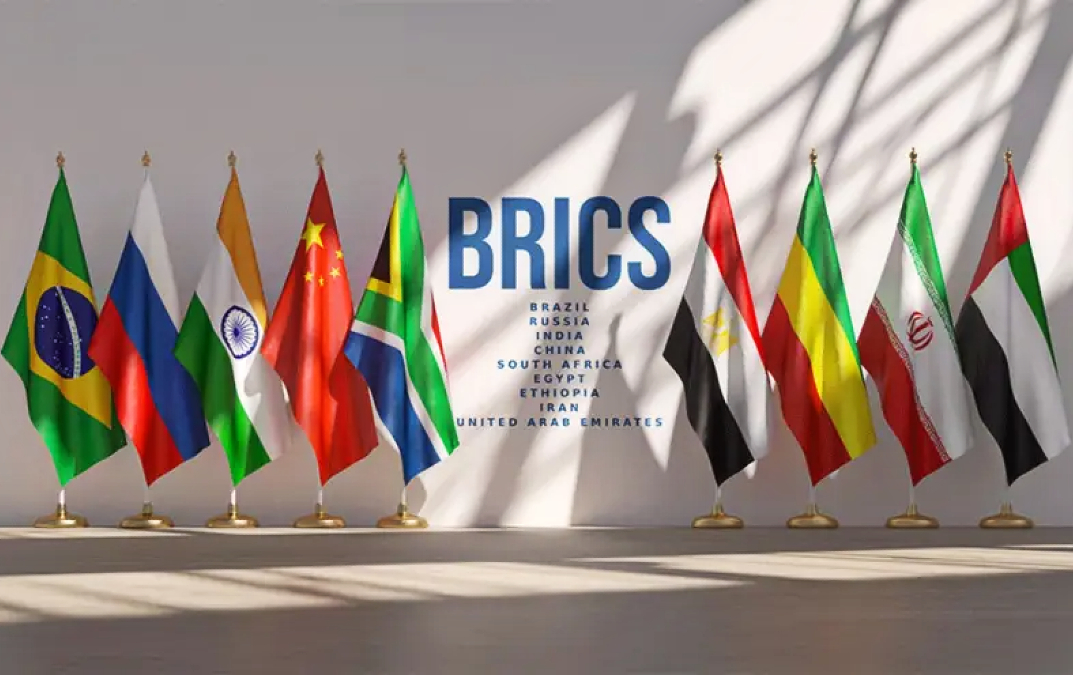
The BRICS nations – Brazil, Russia, India, China, and South Africa – position themselves differently. Their message resonates: “We are your brothers. Let us rise together.”
The rhetoric of South-South cooperation and multipolarity carries undeniable emotional weight in a post-colonial context.
But even within families, power asymmetries persist. BRICS members represent economies ranging from US$1.8 trillion (Russia) to US$18.5 trillion (China). When the bloc makes decisions, whose interests prevail?
The New Development Bank, BRICS’s institutional answer to the World Bank, has approved roughly US$33 billion in loans since 2015 – a fraction of China’s bilateral lending to Africa alone. The risk is not rejection of partnership, but uncritical embrace.
Africa must enter these relationships recognizing that “multipolarity” does not guarantee equitable distribution of benefits.
The Ledger: When Africa Wins and Loses
The honest assessment? Results are mixed.
Africa benefits when:
- Infrastructure projects generate local employment rather than importing labor
- Technology and skills transfer accompany capital investment
- Contracts undergo parliamentary scrutiny and public disclosure
- Investment builds processing capacity rather than extracting raw materials
- Debt sustainability frameworks are respected and monitored
Africa loses when:
- Leaders negotiate agreements shielded from democratic oversight
- Minerals and hydrocarbons exit unprocessed, capturing minimal value
- Profits repatriate to foreign headquarters rather than reinvesting locally
- Civil society and affected communities remain excluded from planning
- Liabilities accumulate opaquely, beyond institutional capacity to service
As the proverb warns: “A goat that belongs to everyone is eaten by everyone.” Collective resources without collective stewardship become collective plunder.
Beyond Partnership: The Imperative of Ownership
Contemporary African identity demands vigilance. It requires asking uncomfortable questions: Do our children benefit before foreign shareholders?
Do our institutions control policy, or do external actors? Do voters decide priorities, or do elites negotiate them in closed rooms?
Development without ownership is not progress. It is dependency reframed.
What Africa requires is not fewer partnerships, but better ones. Not less capital, but more capable stewardship. Not grander speeches at summits, but functional systems of procurement, oversight, and accountability.
Our elders understood: “Wisdom is not in the beard, but in the mind.” The challenge is intellectual and institutional before it is financial.
A Call to My Continent
Let us cease celebrating contract signings as achievements in themselves. Let us demand comprehension of their contents.
Let us withhold applause for visiting dignitaries until we see evidence of mutual benefit. Let us defend our future with the tenacity that our resources deserve.
Africa is not poor. Africa is mismanaged. But Africa is rising. She will rise with dignity, with courage, and – above all – with sovereignty.
Farhia Noor is a seasoned business consultant based in Dar es Salaam, Tanzania. With a proven track record in developing enterprises and executing turnkey projects across both government and private sectors, she brings deep expertise to the table. Farhia is also a committed advocate for community-led development and is passionate about advancing sustainable, intra-African growth.
