
Opinion
Bridging the Divide: Understanding the Distinct Dynamics of North and Sub-Saharan Africa

By Dishant Shah
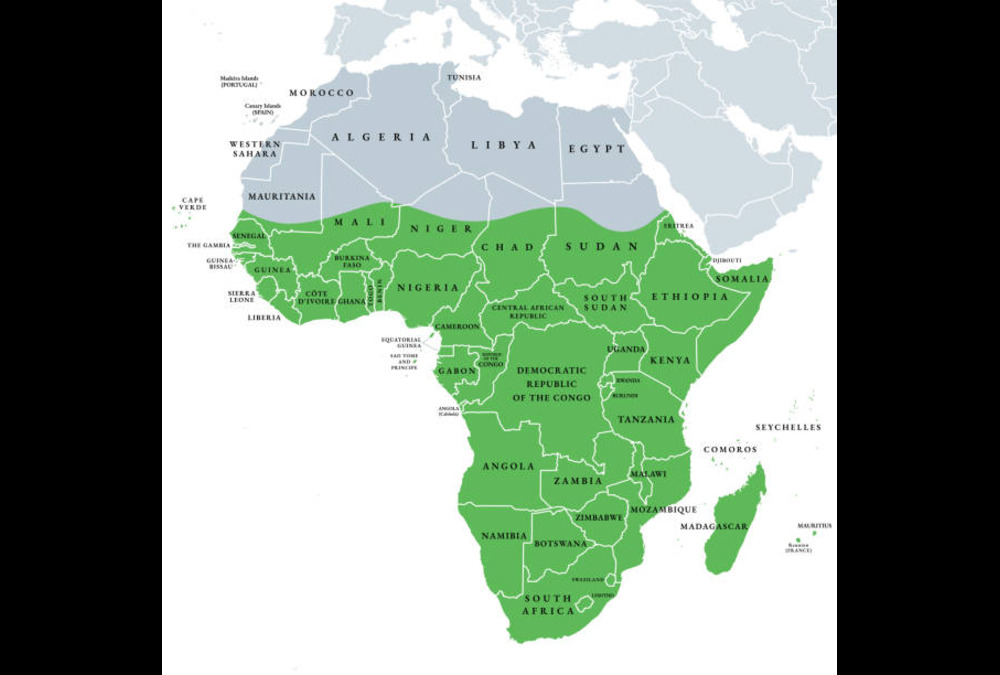
Sub-Saharan Africa and North Africa are often discussed as two distinct regions, but what drives this separation? While geography plays a significant role, the divide is about much more than the Sahara Desert acting as a natural boundary.
The differences between these regions are profound, shaped by contrasting histories, cultures, languages, economies, and even trade patterns.
Historical and Cultural Connections in North Africa
North Africa, which stretches from Egypt to Mauritania, has long been closely integrated with the Mediterranean and the Middle East. Ancient civilizations such as the Egyptians, Carthaginians, and Berbers flourished here, trading with Europe and the Arab world for centuries.
Today, countries like Egypt, Libya, Tunisia, Algeria, and Morocco remain key players in the Arab League, and Arabic is widely spoken across the region. The historical, cultural, and economic ties to the Arab world and Europe continue to define much of North Africa’s identity.
Diversity and Economic Growth in Sub-Saharan Africa
In contrast, Sub-Saharan Africa is incredibly diverse. With over 1,500 languages and hundreds of ethnic groups, the region is home to a rich mosaic of cultures and traditions.
Economically, Sub-Saharan Africa spans a broad spectrum, with nations relying on industries ranging from agriculture to technology. Countries like Nigeria, Kenya, and Ghana are emerging economic powerhouses, driven by sectors such as fintech, manufacturing, and oil exports.
Economic Disparities and Growth Trends
There is a notable economic divide between the two regions. North Africa’s average GDP per capita is around US$4,000, while Sub-Saharan Africa lags at about US$1,600.
However, when it comes to economic growth rates, Sub-Saharan Africa is outpacing North Africa. In 2024, Sub-Saharan Africa is projected to grow at a rate of 3.8 percent, compared to 3.4 percent in North Africa (The World Bank).
Some of the continent’s fastest-growing economies, including Ethiopia and Rwanda, are located in Sub-Saharan Africa. These countries are experiencing rapid growth, thanks to strategic infrastructure investments, trade reforms, and a young, tech-savvy workforce.
Trade Patterns and Regional Integration
Trade dynamics further distinguish the two regions. North Africa maintains strong trading relationships with the European Union and the Middle East, while Sub-Saharan Africa has more robust trade links within the continent itself, as well as with China, India, and the United States.
The African Continental Free Trade Area (AfCFTA) holds potential to transform trade by encouraging greater intra-African commerce, though North African economies tend to have a more outward-looking focus compared to their southern counterparts.
Religious Influences
Religion is another defining factor. Islam is the dominant faith in North Africa, whereas Sub-Saharan Africa is religiously diverse, with Christianity, Islam, and indigenous belief systems shaping the cultural and social landscapes.
This diversity influences everything from governance and business practices to social norms.
Shared Challenges and Opportunities
Despite their differences, both regions face similar challenges, including youth unemployment, political instability, and the effects of climate change. However, there are also shared opportunities, particularly with growing investments in energy, infrastructure, and digital transformation.
Ultimately, the divide between North and Sub-Saharan Africa begs the question: Is it merely a historical legacy, or does this distinction continue to shape the way the world views Africa today?
Dishant Shah is a partner at Legion Exim, a company specializing in facilitating the export of high-quality engineering products directly sourced from manufacturers in India to Africa. His areas of expertise include new business development and business management.
