
Opinion
Africa Didn’t Just Host the G20 – It Redefined It

By Ajay Wasserman
The world came to Africa in 2025 – but not everyone showed up.
That, however, turned out to be beside the point.
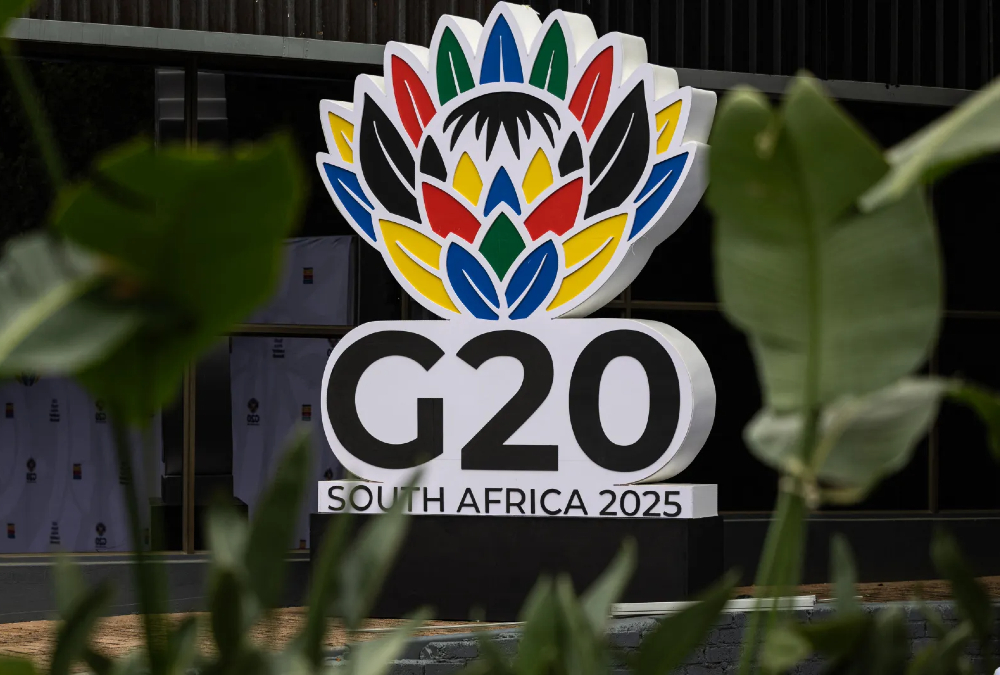
While high-profile absences – most notably the United States – made headlines, the real story of the G20 Summit in Johannesburg was far more consequential: Africa finally claimed center stage on its own terms.
For the first time in the forum’s 25-year history, the G20 met on African soil. South Africa’s presidency – under the unifying banner of Solidarity, Equality, and Sustainability – was more than symbolic. It was strategic.
And it signaled a pivotal shift in who gets to shape the global agenda.
Four Takeaways That Reshape the Narrative
1. A Historic First With Strategic Intent
Johannesburg didn’t just host a summit; it anchored a continent. As the first – and long-overdue – G20 meeting in Africa, the event elevated African priorities from the margins to the mainstream of global economic diplomacy.
2. A 122-Point Leaders’ Declaration With Teeth
Despite geopolitical headwinds, G20 leaders adopted an unusually detailed communiqué, endorsing concrete commitments on:
- Debt relief and fiscal space for low- and middle-income countries
- Mobilizing finance for a just energy transition – not just decarbonization, but development-aligned decarbonization
- Climate resilience and disaster risk financing for vulnerable economies
- Food security, value-added agriculture, and industrialization across the Global South
These aren’t just talking points. They reflect a growing consensus that development and climate action must advance together – not in opposition.
3. Diplomatic Momentum – Despite the Gaps
Yes, the U.S. sent only a low-level delegation. Yes, tensions between major powers muted some ambitions.
And yes, many pledges remain non-binding.
But the symbolism carries real weight. By steering the G20 toward issues like critical minerals governance, digital infrastructure, and inclusive industrial policy, Africa demonstrated it can set the terms of its own engagement – even in forums it didn’t design.
4. Africa Is No Longer Waiting for Permission
What emerged from Johannesburg wasn’t just a summit outcome – it was a statement of intent. The core themes – energy sovereignty, agro-industrialization, technology leapfrogging, and equitable access to capital – are precisely what African entrepreneurs, policymakers, and communities have long argued are essential for dignified, self-determined development.
This is where the next decade of global opportunity will be forged. And Africa isn’t asking to be included – it’s already building.
The Bigger Question: What Comes After the G20?
The Johannesburg summit may mark the beginning of the end for G20 centrality. As trust in Western-led institutions wanes and South-South cooperation accelerates – from the African Continental Free Trade Area (AfCFTA) to BRICS+ partnerships – Africa is increasingly turning to alliances that prioritize sovereignty over conditionality and co-creation over prescription.
So, are forums like the G20 still fit for purpose? Or are we witnessing the dawn of a multipolar era where Africa doesn’t just participate – but leads?
One thing is clear: the conversation has moved. And this time, Africa isn’t just in the room. It’s holding the mic.
Ajay Wasserman is the Group CEO and Chief Investment Officer of Fio Capital Group, a private family office and investment holding company based in Pretoria. Focused on empowering entrepreneurs and fostering sustainable growth, he believes the future success of global economies depends on the innovation and leadership of private entrepreneurs and businesses.
