
Opinion
Staple-crop processing zones: a new hope for the agro-processing sector in Africa to take off?
By Danilo Desiderio
Agro-Industrial Parks (AIPs) have long been instrumental in driving the growth of agribusinesses and export-focused companies in various Asian countries, including Taiwan, South Korea, Malaysia, China, and Vietnam. These parks have played a crucial role in transforming the economies of these nations.
In Africa, countries like the Democratic Republic of Congo (DR Congo), Ethiopia, Gabon, Gambia, Mali, Mauritania, Nigeria, Senegal, South Africa, Tanzania, and Zambia are striving to replicate this success. They are adapting these models into more sophisticated economic tools, such as Integrated Agro-Industrial Parks (IAIPs), Special Agro-Industrial Processing Zones (SAPZs), agro-corridors, and Staple Crop Processing Zones (SCPZs).
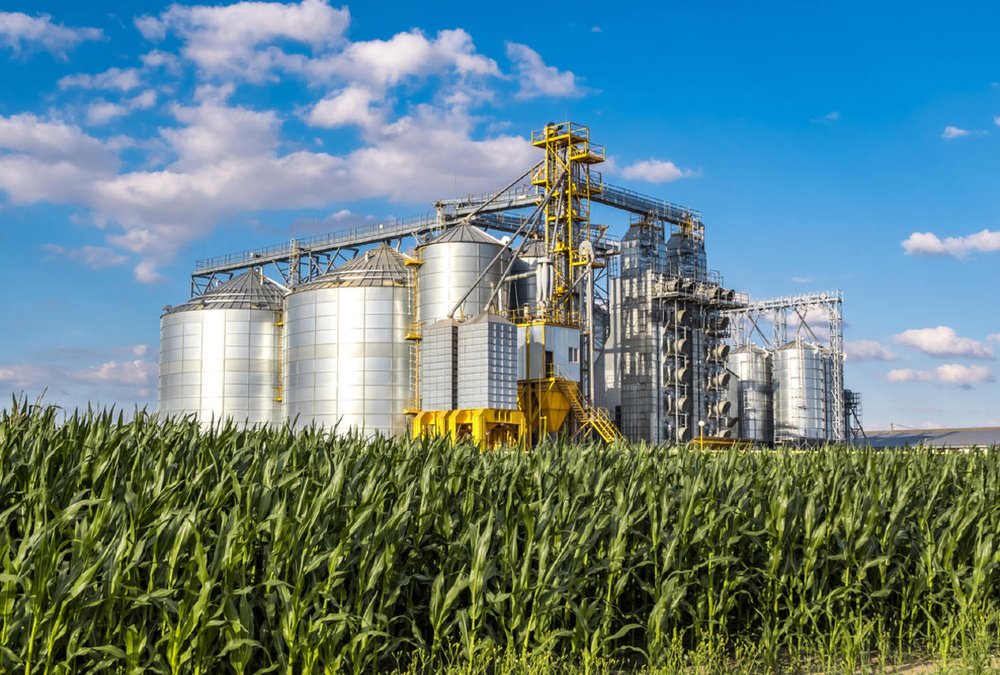
SCPZs are especially significant in Africa’s development plans. These zones are spatial development initiatives centered around agriculture, designed to focus agro-processing and industrial activities in regions with high agricultural potential. The primary aim is to enhance productivity by integrating the production, processing, and marketing of key agricultural products.
By bringing together producers, processors, aggregators, and distributors in a single area, SCPZs help reduce transaction costs. Most notably, they eliminate multiple intermediary layers, which are common in African agricultural supply chains and tend to inflate costs, particularly for export-bound goods.
Transaction costs are further lowered by enabling businesses within SCPZs to share facilities and development services, reducing fixed costs and boosting productivity and competitiveness. The African Development Bank (AfDB) has been a key supporter of establishing SCPZs in high-production agricultural regions along key road corridors, funding projects in countries like Ethiopia and Mozambique.
Nations yet to fully harness potential
These zones have proven highly successful in Africa, transforming rural areas from regions of economic struggle into vibrant hubs of opportunity, creating jobs, and opening up new markets for local communities. In some instances, governments have provided tax incentives and simplified regulations, particularly for export-driven industries, to encourage business activity within these zones.
However, not all agro-business development tools operate in the same manner. While AIPs and SAPZs typically focus on industrial and agro-processing activities within a defined area, agro-poles cover broader regions that combine high-productivity farming with processing centers, supported by public infrastructure.
Examples of this model include the Bagré Growth Pole in Burkina Faso and the Senegal River Valley near Rosso, where irrigated, high-yield agriculture is linked to processing hubs. Unlike AIPs and SAPZs, agro-poles create a wider economic ecosystem by connecting agricultural production and processing across non-contiguous areas.
The recently published “Accelerating the Private Sector for Food Systems Transformation in Africa” report by the Alliance for a Green Revolution in Africa (AGRA) emphasizes the critical role of these economic clusters in Africa’s economic growth. Despite agriculture being a dominant sector in many African economies, most nations have yet to fully tap into their potential and continue to rely heavily on food imports.
IAIPs, SAPZs, agro-corridors, and especially SCPZs offer promising solutions to these challenges and have the potential to significantly enhance agricultural development across Africa. However, this marks only the beginning of the continent’s journey toward fully harnessing these opportunities.
Danilo Desiderio serves as the CEO of Desiderio Consultants Ltd in Nairobi, Kenya specializing in African customs, trade, and transport policies.
