
Opinion
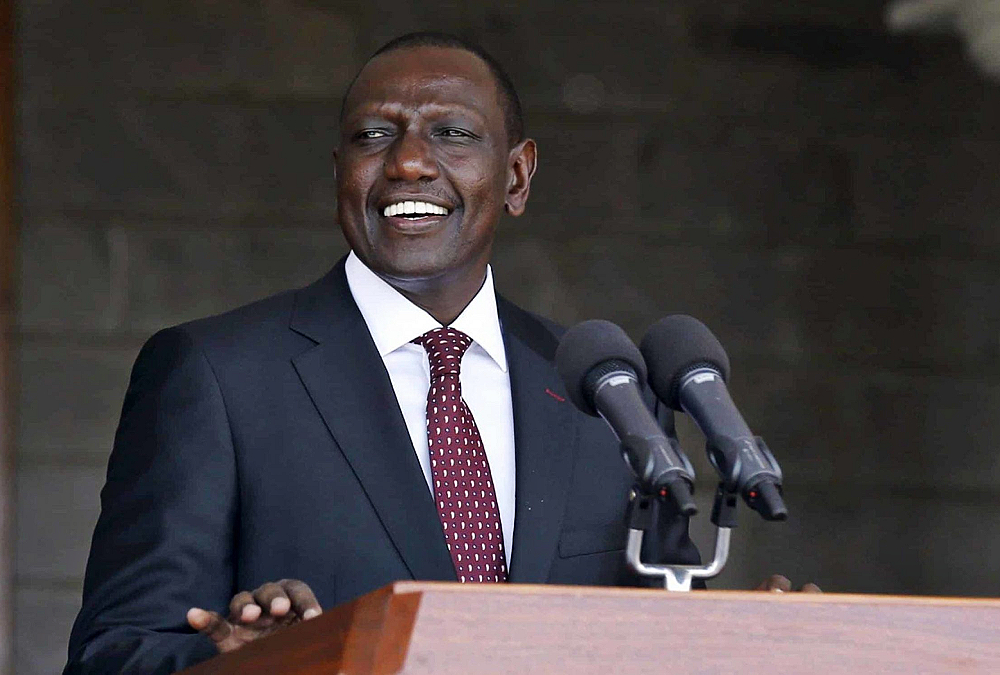
Owusu on Africa: The most geostrategic state and leader of 2023 go to Kenya and William Ruto

By Fidel Amakye Owusu
When Kenya gained independence in December 1963, its neighbors Tanzania and Uganda were already independent.
Also, even though Jomo Kenyatta was a towering figure in the country he had led to freedom, Julius Nyerere of Tanzania had more regional influence. The latter, together with Ghana’s Kwame Nkrumah, Ethiopia’s Haile Selassie and Egypt’s Gamal Abdel Nasser were more geostrategic in their political approach.
After Jomo Kenyatta, subsequent Kenyan leaders were equally not very geostrategic in their approach to power. The most significant move by Kenya in terms of regional politics and power projection happened in 2011/12 when it entered southern Somalia to dislodge the Islamist militant organization, al-Shabaab.
Despite its robust economy, Kenya, for decades did not play many geopolitical roles.
This has changed in recent times. With increasing economic power and robust security institutions, Kenya has made significant strides in many facets of national endeavor concerning geopolitics. Within a short time, the country has become geostrategically visible. In many ways, this started under the immediate past president, Uhuru Kenyatta.
This notwithstanding, the current president has made the country’s geostrategic objectives more pronounced. Many policies pursued by the current administration give the country external admiration despite some domestic challenges.
Firstly, Ruto upon assuming office de-escalated cold relations between Nairobi and Mogadishu. To some extent, that looked like Abiy’s rapprochement with Eritrea in 2018. This was positive for regional security. Subsequently, Kenya had backed Somalia’s membership to the East African Community.
Leadership
The country also committed forces towards the stabilization of Eastern DR Congo. Although this has faced some setbacks, Kenya’s determination could not go unnoticed. The move was similar to what Rwanda did in northern Mozambique recently.
Furthermore, the very recent decision by Kenya to grant visa-free access to all Africans traveling to the country was a significant geostrategic policy. Of course, other countries like Rwanda had started this. However, the economic size and capacity of the East African coastal state make Ruto’s decision more consequential.
To many in the continent, Kenya has shown leadership whereas many other states have been reluctant.
Among the many other things that cannot be mentioned because of limited space, is Nairobi’s audacious move to lead stabilization efforts in Haiti. While many have remained skeptical about the success of this, the historical ties between Africa and the Caribbean nation make Ruto’s decision geostrategic.
Although these geostrategic decisions among others face hurdles, they show a country and leader that are determined to represent a continent often put on the back burner. Yes, there are other contenders; but the fact that Kenya does these under a liberal democratic dispensation makes them significant.
Fidel Amakye Owusu is an International Relations and Security Analyst. He is an Associate at the Conflict Research Consortium for Africa and has previously hosted an International Affairs program with the Ghana Broadcasting Corporation (GBC). He is passionate about Diplomacy and realizing Africa’s global potential and how the continent should be viewed as part of the global collective.
