
Owusu on Africa
Kenyan police force in Haiti needs to mix force with “diplomacy” on the ground

By Fidel Amakye Owusu
Some time ago, I read a book that explored aspects of European political culture using a comparative approach. The author(s) argued that France’s history is a significant reason for its frequent protests and demonstrations. The French Revolution, which shook Europe in the late 18th century, has left the French population psychologically inclined to protest, compelling authorities to be responsive. We’ve witnessed this dynamic in recent years.
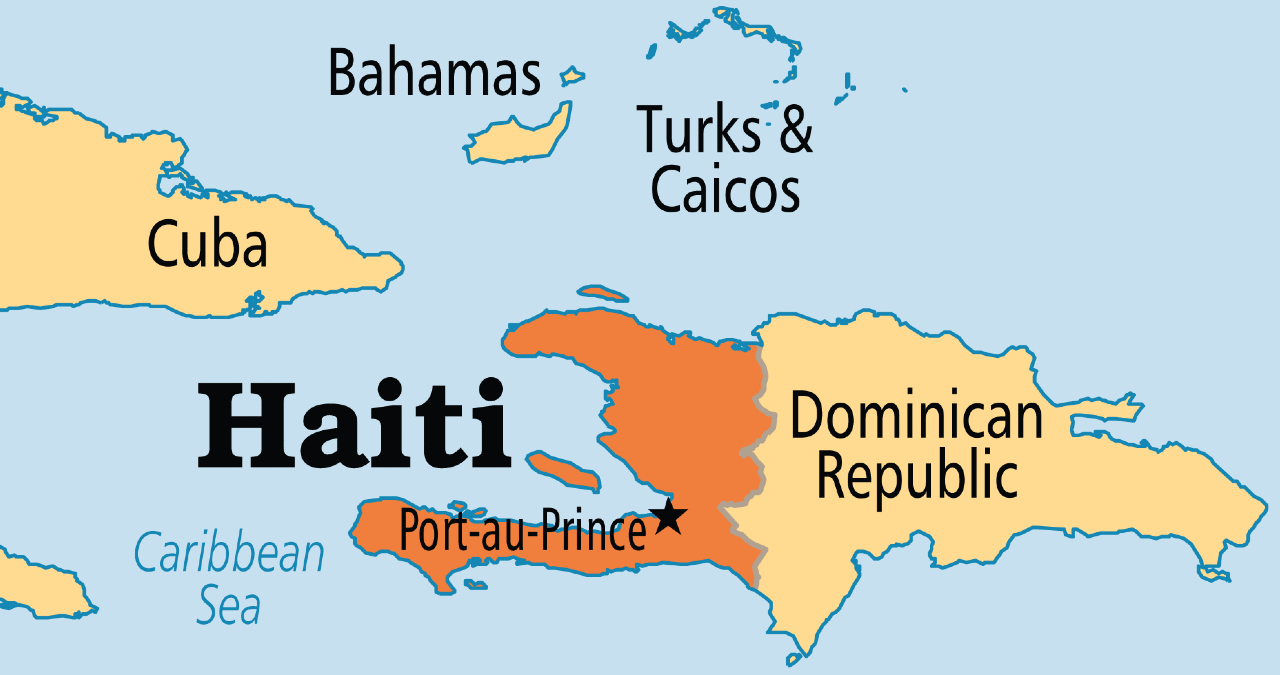
Interestingly, Haiti shares a similar historical connection with France. In 1804, after a relentless rebellion against French rule, Haiti gained independence, becoming the first Caribbean country to do so.
What does this mean today?
Recently, Kenyan forces arrived in Haiti to lead a stabilization operation. Their mission, carried out by a contingent of specially trained police forces, aims to wrest control of the country from gangs. While this intervention is necessary, it must balance a hard approach with a soft one.
Why is this balance crucial?
Like the French, Haitians take immense pride in their history and are sensitive to signs of external oppression. Many gang leaders falsely portray themselves as liberators, exploiting this sentiment to rally support against the intervening forces. If successful, these leaders could create significant obstacles for the Kenyan-led mission.
Therefore, the stabilization force must engage in “ground diplomacy,” establishing communication lines with the gangs and possibly collaborating with more moderate factions. Understanding that gangs in Haiti are diverse in their origins and motivations is key. Some are typical criminal organizations exploiting a power vacuum, while others are community vigilantes formed to protect their areas from these criminal elements.
Recognizing these distinctions and the associated psychological factors can help the stabilization force be more effective and efficient in fulfilling its mandate. An external force will not remain in Haiti indefinitely, so using a “carrots and sticks” approach is essential to ensure lasting peace after their departure.
A superior force can impose order, but for long-term stability, it must also employ diplomacy. The fact that the force is from Africa could have a positive impact, as I have previously noted.
There is no easy way out.
Fidel Amakye Owusu is an International Relations and Security Analyst. He is an Associate at the Conflict Research Consortium for Africa and has previously hosted an International Affairs program with the Ghana Broadcasting Corporation (GBC). He is passionate about Diplomacy and realizing Africa’s global potential and how the continent should be viewed as part of the global collective.
