
Opinion
How foreign aid has failed Haiti
Reviewed by Nahal Toosi
After 2 1/2 years in Haiti, Jonathan Katz was preparing to leave the impoverished but intriguing nation in January 2010. His next reporting assignment: Afghanistan. Then a massive earthquake that sounded like a big truck roaring by ripped apart his house, his plans, and the lives of Haitians all around him.
So Katz, then an Associated Press reporter and the only full-time American correspondent in Haiti, wound up staying to chronicle the quake’s aftermath.
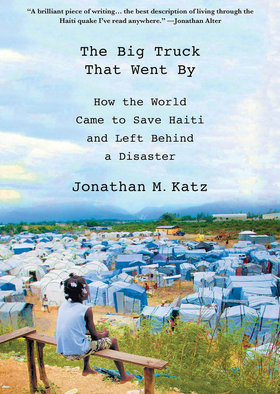
“In The Big Truck That Went By: How the World Came to Save Haiti and Left Behind a Disaster“, Katz eloquently blends personal anecdotes and Haitian history with in-depth reportage to show how one catastrophe led to so many more, and how, three years later, with lots of “aid” Haiti has barely moved forward.
At the heart of the book lies the question, does foreign aid actually work? Or, to paraphrase Katz, whatever happened to that US$20 you sent to help the people of Haiti? The answers are not inspiring, and they should make people seriously think twice about donating to an international aid organization.
For people who live or work in conflict zones where non-governmental organizations and U.N.-linked aid groups operate, Katz’s findings may not be that surprising, simply a reaffirmation of depressing truths. But the ordinary reader will likely be shocked to learn of some of the tricks of the aid trade.
For one thing, pledging money isn’t the same as giving money, but governments around the world were quick to ignore that distinction when issuing their news releases about how they would save Haiti.
Billions of dollars pledged to help the quake-struck nation have yet to materialize, and the United States is no saint in this regard.
