
Opinion
China Needs Africa More Than Africa Needs China – If Africa Recognizes Its Own Power

By Apollo Buregyeya
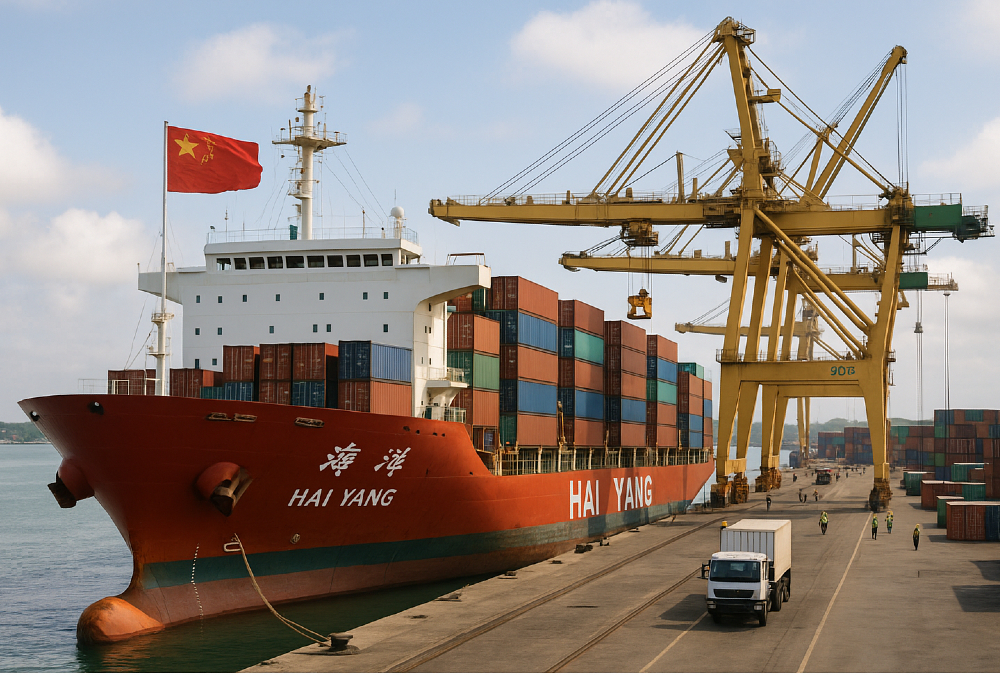
Last week, China announced it would eliminate import tariffs on goods from 53 African countries. The headlines lit up. Some officials were quick to hail it as a “game changer.” But before we bring out the drums and dance, it is worth reading the fine print.
China isn’t doing this out of goodwill. It’s doing it out of necessity.
Western markets are tightening against Chinese exports – tariffs, sanctions, supply chain realignments. “Made in China” is increasingly unwelcome in places where it once thrived.
For an economy heavily reliant on exports, China is in urgent need of new customers.
Enter Africa: a continent of 1.4 billion people, abundant in resources, rapidly urbanizing – and, too often, governed by leaders who sign quickly and read slowly.
Africa Is Not Yet a Market
But let’s be clear: Africa, as it currently stands, is not a market. A market is not defined by a headcount; it’s defined by purchasing power.
And you don’t build purchasing power by exporting copper ore only to import copper wires. You build it through value addition, domestic manufacturing, and sustainable job creation.
At present, the bulk of our exports to China are raw, unprocessed materials – many of them extracted by Chinese-owned companies operating within our borders.
So while China’s removal of tariffs may appear generous, it also conveniently facilitates the easier extraction and return of resources it already controls. That’s not trade – it’s logistics, dressed up as diplomacy.
A Window of Opportunity – If We Use It Wisely
Yet 2025 offers Africa a rare window of opportunity. For the first time in recent history, China needs Africa’s development – not as an act of charity, but as an economic imperative.
China cannot sell smartphones or solar panels to empty pockets. It needs African consumers with disposable income.
That gives Africa leverage – if we are bold and strategic enough to use it.
We must demand more. Local processing. Joint industrial ventures. Technology transfer agreements.
Infrastructure that links African producers to African consumers – not just African mines to Chinese ports. We need skilled negotiators who understand the stakes.
Most importantly, we must stop showing up to the table as 53 fragmented nations. We need to show up as one: as Africa.
Let’s begin by asking our Ministers of Minerals a simple question: Have you ratified the African Union’s African Minerals Development Centre (AMDC) statutes?
Because if we fail to act, this window will close. China will find other partners.
Western economies will adjust. And we will still be here – exporting the same raw materials and importing the same finished products, with even fewer excuses than before.
Yes, China needs Africa more than Africa needs China. But only if Africa understands its own worth.
So, before we get too excited about being invited to the party, let’s ask the right questions: Who’s cooking? Who owns the kitchen? And most importantly – are we guests, or are we on the menu?
Apollo Buregyeya, Ph.D., is a civil engineer and entrepreneur focused on developing sustainable African industries that leverage local mineral resources to improve living standards. He is the founder and CEO of Eco Concrete Ltd, a construction company specializing in innovative solutions tailored to the African environment. Committed to resource ownership and appropriate technology for value creation, he also teaches at Makerere University in Kampala, Uganda.
