
Opinion
Can African Americans leverage their purchasing power against racism?
By Robert Stitt
African Americans comprise 13.7 percent of the United States’ population, making them the second largest racial minority group behind the Hispanic/Latino population. Of that percentage, nearly half are under 35 years old. So, many black people are in their peak earning years, contributing a great deal to the American economy.
In addition to African American population growth, consumer growth in black America has surpassed the rest of the country’s population by 30 percent.
While the median income for an African American is US$47,290, according to the Nielsen Company, the number of black households earning upwards of US$75,000 or more increased by over 60 percent, faster than any other group in the United States.
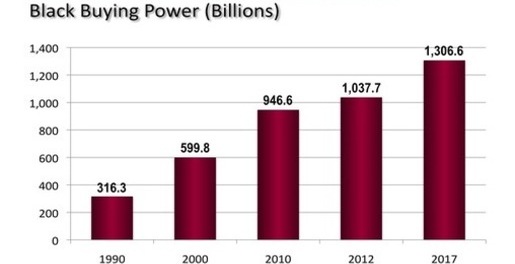
In June, the National Association of Black Accountants held a conference in Nashville, Tennessee. Statistics shared during the conference estimated that the purchasing power of black America would be in excess of US$1.1 trillion by the end of 2015.
What does this mean? It means that more than ever, African Americans now have the opportunity to levy change with buying power. Significant economic shifts can be made by African Americans who refuse to patronize businesses that persistently discriminate against them.
With money comes options, and with options, comes power.
The number of African Americans in television commercials has grown tremendously in the last few years. Expect the numbers to grow even more as advertisers and marketing execs start to realize the market size and spending power of African Americans.
Soon companies will be catering to the technological and recreational needs of the African American community as well, and black people should ensure they own some of the companies that take advantage of this growing market.
According to Black Enterprise Magazine, the Nielsen Company conducted a study called “African American Consumers: Still Vital, Still Growing.” The study showed that there was tremendous “underrepresented potential and spending power” just waiting to be discovered.
Calvin Harris, Jr., President & CEO of the National Association of Black Accountants, looked beyond the numbers to something he felt was more important: contribution and ethnic pride. “The Nielsen report is very encouraging because it shows the African American population is a tremendous financial asset to this country’s economic recovery,” he said.
