
Opinion
A Call Beyond Borders: Can Nigeria’s Diaspora Return to Rebuild a Nation in Crisis?
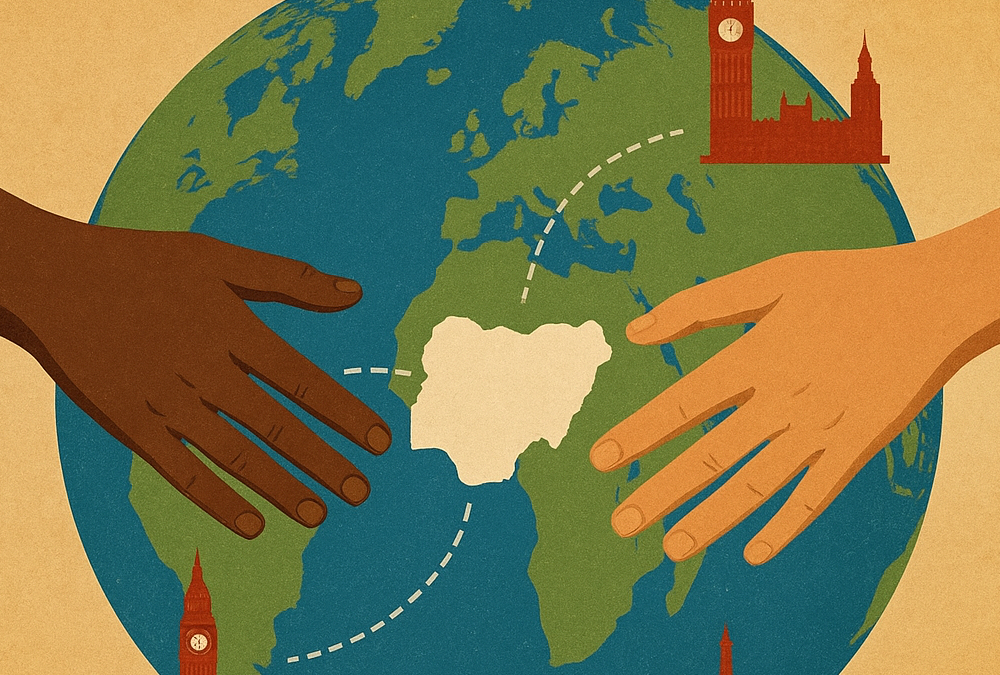

By Farhia Noor
In a recent address that echoed across continents, President Bola Ahmed Tinubu issued a stirring invitation to Nigerians abroad: “Come home. Bring your skills, your wealth, your vision. Help us rebuild Nigeria.”
It was a moment rich with symbolism – a president reaching across oceans to reclaim a lost generation. But behind the rhetoric lies a pressing question: Can a diaspora truly rebuild a nation whose foundations remain fragile?
The Power of the Nigerian Diaspora
The Nigerian diaspora is not just a population abroad – it’s a powerhouse. With over US$24 billion in remittances sent home in 2023 alone (according to World Bank data), Nigerians overseas contribute more to the economy than all foreign direct investment combined. These are not just numbers; they represent doctors staffing under-resourced hospitals, engineers designing sustainable infrastructure, tech innovators launching startups from Lagos to London, and academics shaping global thought.
Collectively, this global community forms what some call a “silent reserve” – a vast pool of talent, capital, and international experience. If strategically engaged, they could catalyze transformation in healthcare, education, digital innovation, and governance.
The potential is not theoretical; it’s tangible. But potential is not enough.
Why Nigerians Left – and Why They Stay Away
The exodus was not born of disloyalty, but of necessity. For years, Nigerians have fled a confluence of crises: escalating insecurity, systemic corruption, collapsing public services, and an economy that fails to absorb its youth.
In 2023, youth unemployment surpassed 50 percent. Kidnappings, banditry, and terrorism have made entire regions unsafe.
Public hospitals lack basic supplies. Universities operate on erratic schedules.
For many in the diaspora, leaving wasn’t a choice – it was survival. And for them, returning isn’t a sentimental gesture.
It’s a high-stakes decision involving safety, career viability, quality of life, and institutional trust. No amount of patriotic appeal can override the instinct for dignity and security.
To ask them to return without addressing the root causes of their departure risks reducing President Tinubu’s call to another eloquent speech – inspiring, yet empty.
A Continent-Wide Challenge
Nigeria is not alone in this struggle. Across Africa, leaders are courting their global citizens.
Ghana’s “Year of Return” campaign, Rwanda’s tech-driven repatriation efforts, Ethiopia’s post-conflict reconciliation outreach – all reflect a growing recognition: the diaspora is a strategic asset.
Yet a timeless African proverb reminds us: “You cannot send a child to fetch water with a broken pot.” No matter how strong the desire, if the vessel is cracked, the water will spill.
Similarly, no matter how willing the diaspora, if Nigeria’s institutions remain weak, its infrastructure broken, and its governance unaccountable, the return will end in disillusionment.
What Must Change: A Blueprint for Trust
To turn this call into a real movement, Nigeria must do more than invite – it must reform. The diaspora will return not for slogans, but for systems.
They need proof that their contributions will not vanish into the void of corruption or chaos.
Here’s what must happen:
- End Impunity, Start Justice
Corruption is not just an economic drain – it’s a moral wound. Real anti-corruption efforts must result in accountability, not performative arrests. Transparent asset recovery and independent judiciary reforms are non-negotiable. - Restore Security and the Rule of Law
No skilled professional will return to a country where their family is at risk. Tackling insecurity – whether from terrorism, kidnapping, or police brutality – must be a top priority. - Invest in Infrastructure That Works
Reliable power, functional roads, high-speed internet, and modern healthcare systems are not luxuries. They are prerequisites for innovation and productivity. - Empower the Next Generation
Create real opportunities for youth – through education, entrepreneurship funding, and access to global markets. The future belongs to those who can build, not just those who can beg. - Strengthen Institutions, Not Individuals
Governance must shift from personality-driven politics to institution-led stability. Independent regulatory bodies, transparent procurement, and merit-based appointments will signal that Nigeria is serious about change.
A Shared Destiny: I Am Because We Are
At the heart of African philosophy lies Ubuntu – the belief that “I am because we are.” The Nigerian diaspora is not separate from the nation; they are its extended family.
Their success abroad is Nigeria’s success. Their return could be its renaissance.
But love alone cannot fix a broken system. Hope must be matched with action. Sentiment must be backed by structure.
President Tinubu’s call is noble. But it is only the beginning. The real test lies in whether Nigeria can mend the broken pot – so that when its children return with water, it stays.
Because a nation that welcomes its diaspora doesn’t just ask them to come home. It makes sure home is worth returning to.
Farhia Noor is a seasoned business consultant based in Dar es Salaam, Tanzania. With a proven track record in developing enterprises and executing turnkey projects across both government and private sectors, she brings deep expertise to the table. Farhia is also a committed advocate for community-led development and is passionate about advancing sustainable, intra-African growth.
